
Utility bills can wreck a budget fast. And the painful part is you usually don’t see the real problem until month two or three. So let’s catch the sneaky stuff during the tour, when you still have options.
Our team at Rental Secrets spends a weird amount of time thinking about this. Not because we love boilers. Because utilities are basically hidden rent.
The quick tour moves that reveal the big bill culprits
Look, most tours are rushed. You’re trying to picture your couch in the space. The leasing agent is talking about the convenience of the gym. And the apartment is set to the perfect temperature like it’s a movie set.
So we use a few fast tells. Stuff you can do in 60 seconds without being awkward (Well, not too awkward).
Do the window and door test
Here’s what I mean. Put your hand near the edges of windows and exterior doors. Not on the glass. Along the frame.
Feel a little cold stream? That’s not “charm.” That’s your heat (or AC) walking out of the building. I used to ignore this. I’d think, “It’s fine, I’ll just wear socks.” Then winter hit. And the bill hit harder.
Also check the door sweep. That little rubber strip at the bottom. If you can see daylight. Yikes. Bugs and higher HVAC runtime. Fun combo.
Ask for the thermostat story
Not just “is there AC.” Ask: is it central, a wall unit, mini-split, baseboard heat? And ask what fuels what. Electric heat can be perfectly fine in a tight, well-insulated place. In a drafty one? That’s when wallets start crying.
And if the thermostat is in a weird spot (like right by the kitchen or in direct sun), it tends to misread the temperature. That means the system runs longer than it should. Not every time. But often.
If you want the bigger framework for how we think about tours and cost signals, our rental property tour guide for budget-smart renters lays it out in plain language.

Water and hot water: the bill you forget to fear
Real talk: water bills sneak up. Especially if the unit has a leaky toilet or an older water heater that’s basically heating the ocean 24/7.
Listen for the toilet that never stops
This is one of my favorite little “gotchas” because it’s so simple. After someone flushes, stand there. Don’t talk. Listen.
If it keeps running. Or you hear a periodic refill sound every few minutes. That’s a flapper leak or fill valve issue most of the time. Cheap fix, sure. But you don’t want to pay for it while waiting for maintenance to get around to it.
Check for low-key water heater red flags
You might not get access to the water heater closet in every building. But when you do, look for:
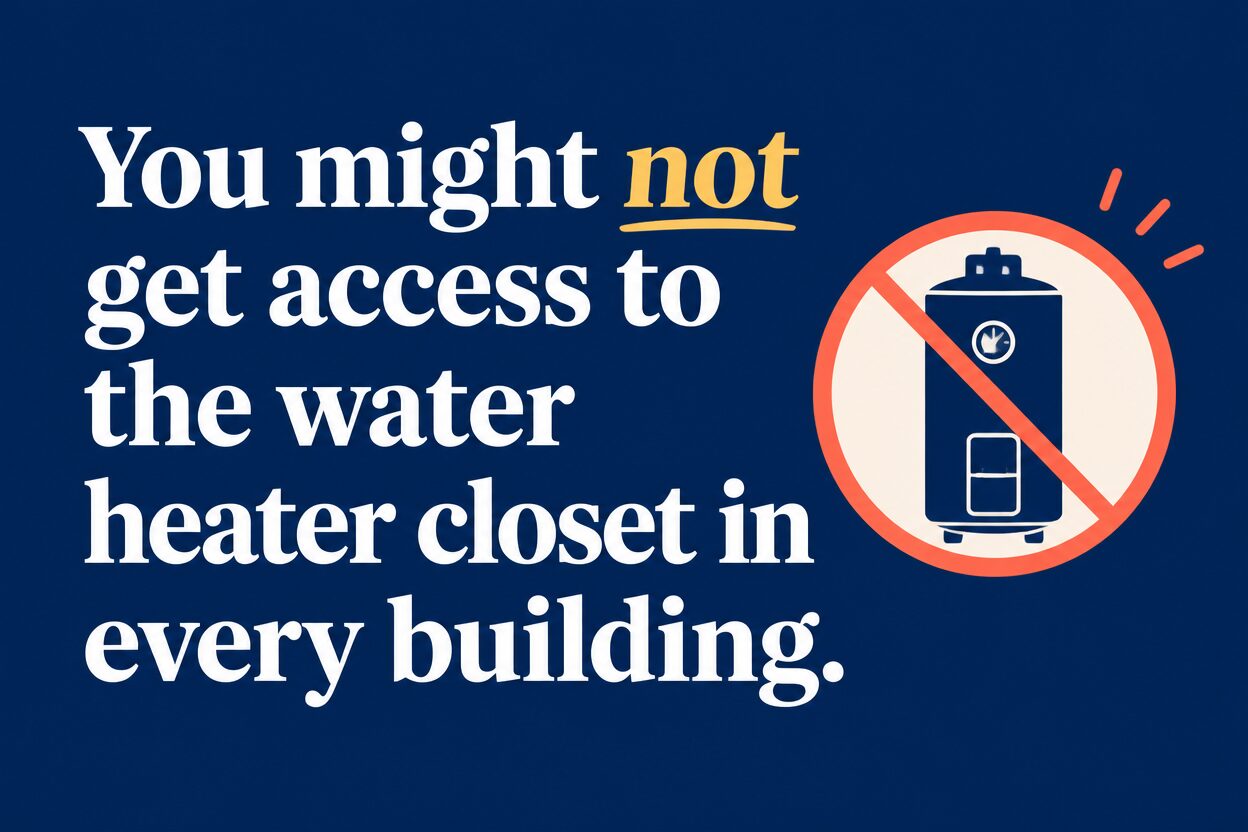
- Rust streaks or moisture on the tank base
- A temperature setting cranked way up
- Missing insulation on hot water lines near the tank
- A pan underneath with water stains
- A unit that looks ancient and unloved
And ask where the heater is located. If it’s far from the bathroom or kitchen, you wait longer for hot water. That’s wasted water (and sometimes wasted gas or electric too). One exception. Some buildings have recirculation systems that help. But plenty don’t.
I had a client last month who kept complaining about “bad water pressure.” Turned out it was a clogged aerator plus a super old showerhead that was basically a gentle drip. They ran the shower longer every day to feel warm enough. Their gas bill was the real problem, not the pressure.
Appliances and lighting: small stuff that stacks up
Thing is, a unit can look renovated and still have energy habits from 1997.
Read the appliance vibe, not the marketing
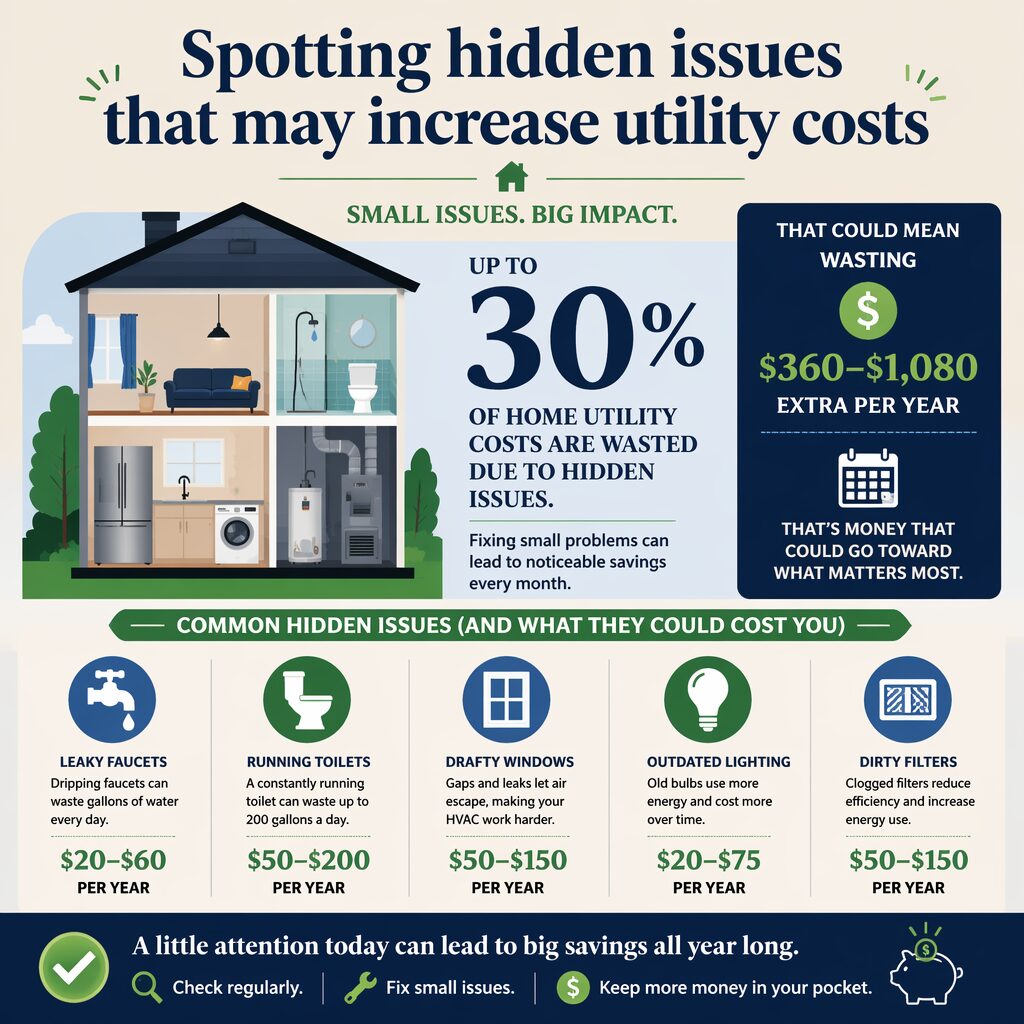
Stainless steel doesn’t automatically mean efficient. Open the fridge. Look for the manufacturer’s label inside the door frame. Check if the seals are cracked or loose. A bad gasket forces the compressor to run more. You won’t “see” that on move-in day. You’ll pay it later.
You can actually look up the model to determine whether it’s an Energy Star appliance. You’ll also get an estimate of how much electricity the appliances use. Stainless steel signifies newness; just verify that you’re getting efficiency newness as well as marketing newness.
Lighting tells you how the place is managed
Flip a couple switches. Are the bulbs LED? If you see a bunch of old incandescent or halogen bulbs, it’s not a disaster. But it’s a signal. Management that doesn’t bother swapping cheap bulbs may also be slow on weatherstripping and HVAC filters. That’s been our experience more times than I can count.
And check common areas. Hallways lit 24/7 with hot bulbs can hint at older fixtures. Some buildings pass those costs to their renters through fees. Some don’t. Ask what utilities you pay versus what’s included. Get it in writing.
Building systems: where the big hidden costs like to hide
This is the stuff renters rarely look at. Landlords and property managers will know exactly what we mean here. The building’s bones decide your bills.
If you want more cost-focused tour angles, we’ve got a bunch of related walkthrough thinking in our property tour cost perspective tips. Use it like a checklist you can actually remember.
Ask about HVAC maintenance, then watch the reaction
Ask, “When was the last filter change?” and “Do tenants replace filters or does maintenance?”
You’re not being high-maintenance. Dirty filters make systems work harder. That’s more energy use and more breakdowns. If the system dies mid-summer, you’ll end up running a sad little portable unit that drinks electricity.
Pay attention to the answer. If they say, “Uh, I’m not sure,” that’s common with leasing staff. But if they act irritated by the question, that’s a different signal. One you shouldn’t ignore.
Watch for moisture and the musty smell
Musty air often means moisture problems. Bathrooms without working exhaust fans. Window seals failing. Basements that stay damp. And damp air is harder to cool. So AC runs longer.
Do a quick fan test in the bathroom. Turn it on. Hold a piece of toilet paper near it. Does it pull upward? If it barely moves, you’ve got weak ventilation. Mold risk aside, you’ll feel clammy. And you’ll crank the AC trying to fix a humidity problem with temperature. That’s an expensive habit.
Negotiation and goodwill: turning utility clues into better terms
Honestly? Spotting problems is only half of it. The other half is using what you saw without turning the conversation into a fight.
At Rental Secrets, we teach renters how landlords think. Cost, risk, vacancy, maintenance load. When you bring utility issues up in that language, you get further.
Use “comfort and predictability” as your angle
Instead of “your windows are terrible,” try: “We noticed some drafts by the bedroom window. We’re trying to keep our monthly costs predictable. Is weatherstripping planned, or could that be addressed before move-in?”
It’s calmer. It gives them an easy win. And it frames the issue as a normal household concern, not an accusation.
Ask for one concrete fix or one concrete concession
Pick one. Not ten.
Examples that tend to be reasonable: replacing a door sweep, re-caulking a window, swapping a failing toilet fill valve, servicing the HVAC, adding a smart thermostat (sometimes they’ll do it, sometimes they won’t), or offering a small rent credit if a repair can’t happen before move-in.
I’ll be straight with you. Some buildings won’t budge. Especially big corporate ones with rigid policies. But smaller landlords often will. And even when they say no, you’ve learned something about how responsive they’ll be later. That’s valuable data.
FAQs for Spotting hidden issues that may increase utility costs
How do we estimate utilities if the landlord won’t share past bills?
You can still get close. Ask what’s on you (gas, electric, water, trash). Ask what type of heat it is. Ask if the unit is separately metered. Then compare with similar units in the same neighborhood by calling the utility provider for an average range (some will give it, some won’t). And yes, chatting with a current tenant in the parking lot is still one of the best moves.
What’s the biggest utility red flag that renters miss on tours?
Drafts and humidity. People notice shiny appliances. They forget that a damp, leaky unit forces you to “buy comfort” every month with HVAC. The place can look clean and still bleed money through windows, doors, and weak ventilation.
Your next step before you apply
Take five minutes during the tour and act like a utility detective. Hands near window frames. Ears on the toilet. Nose for mustiness. Quick questions about HVAC and who pays for what.
And if you want a more step-by-step way to turn tour observations into negotiating points, that’s exactly what we build at Rental Secrets. You’re not just picking an apartment. You’re picking a monthly burn rate.
Disclaimer: This article does not constitute legal advice.