
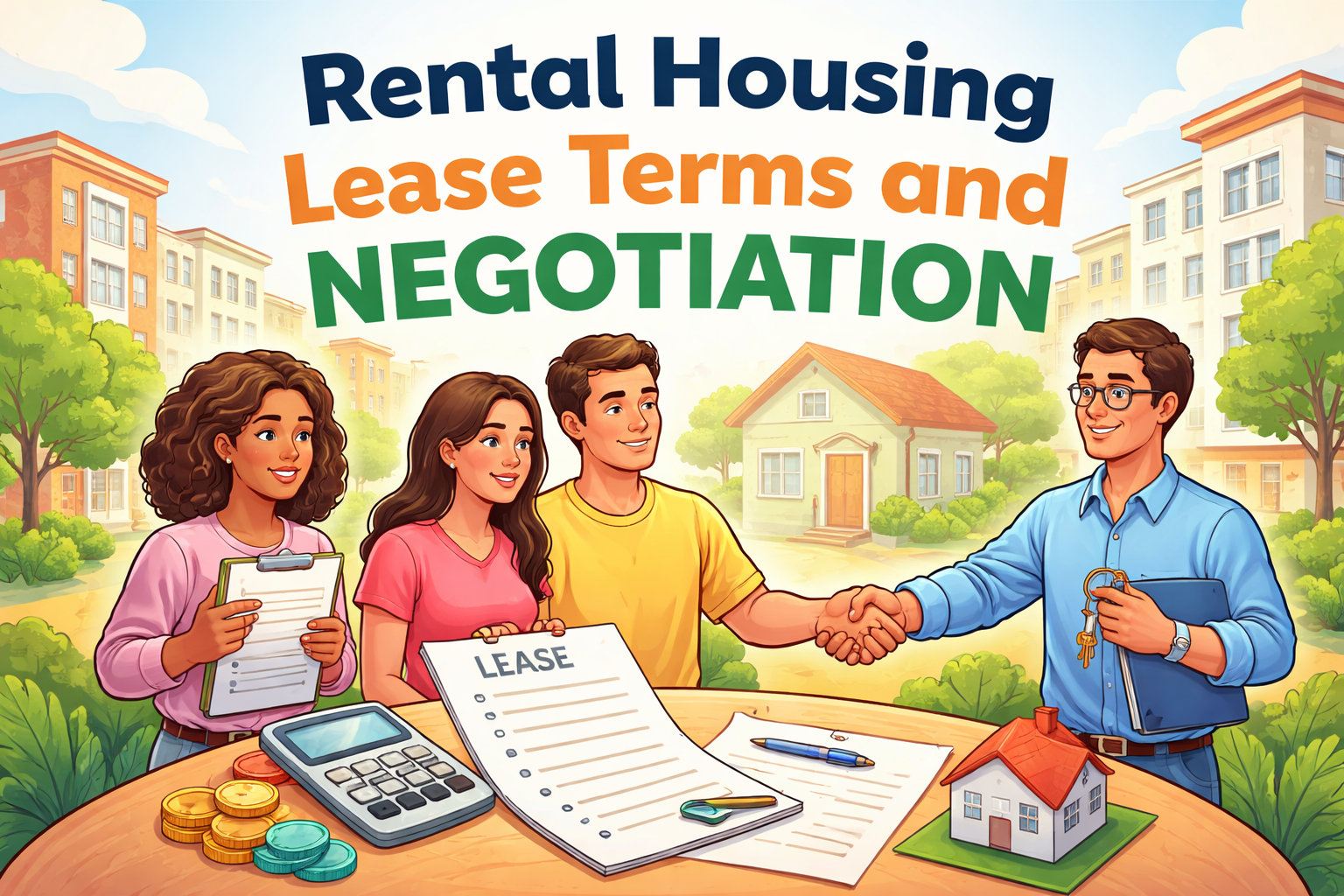
Lease terms aren’t “fine print.” They’re the rulebook for your money, your time, and your stress level. And negotiation isn’t some awkward confrontation. It’s just two people trying to reduce risk. That’s it.
At Rental Secrets, we teach renters to stop approaching housing like a retail purchase. You’re not “buying a product.” You’re making a business deal. Landlords already see it that way. Once you do too, costs get easier to control. Relationships get easier too.
If you want the big-picture rental strategy first, start with our rental housing guide for renters and landlords. Then come back here when you’re ready to talk terms.
Think like a landlord for five minutes
Look, most landlords aren’t obsessing over squeezing every last dollar out of you. They’re obsessing over vacancy, damage, and drama. A steady tenant beats a risky extra bump in rent most of the time.
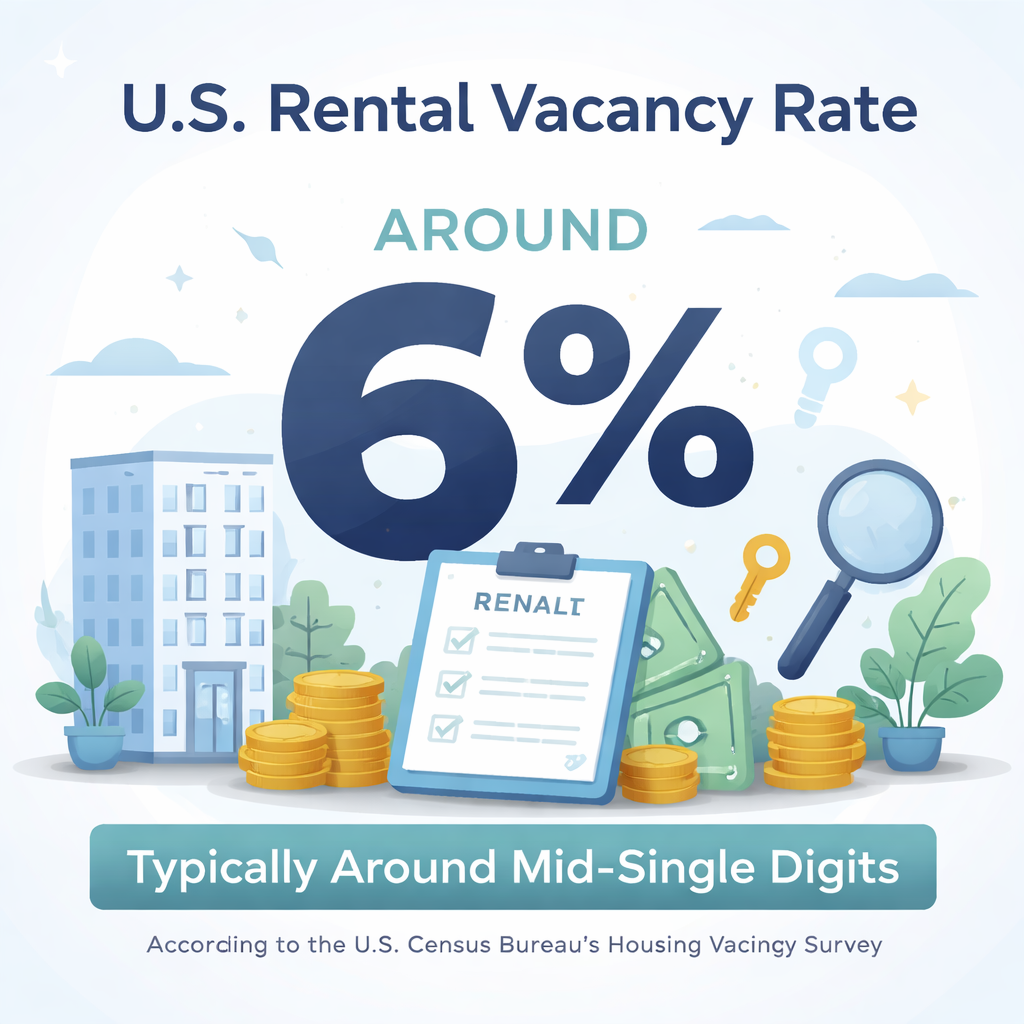
Here’s why that mindset shift matters. A bad screening decision becomes expensive fast. The U.S. Census Bureau’s Housing Vacancy Survey regularly shows rental vacancy rates hovering in the mid-single digits in many periods, often around 6%. Lower vacancy usually means landlords care a lot about keeping good tenants once they’ve got one.
When I work with clients on this, the first thing I ask is: what problem are we solving for the landlord? Quiet building. On-time payments. Long-term stability. Fewer maintenance calls. Pick one you can credibly deliver. Then we attach the term changes to that.
Your best negotiation “power” isn’t charisma
It’s proof. Clean application. Stable income. Strong references. A short, polite email that reads like an adult wrote it. This bugs me, honestly. People will spend 6 hours touring units and 0 minutes packaging themselves as low-risk.
And yes, renters can be low-risk and still negotiate. You’re not begging. You’re pricing risk down.
Lease terms that move your real costs
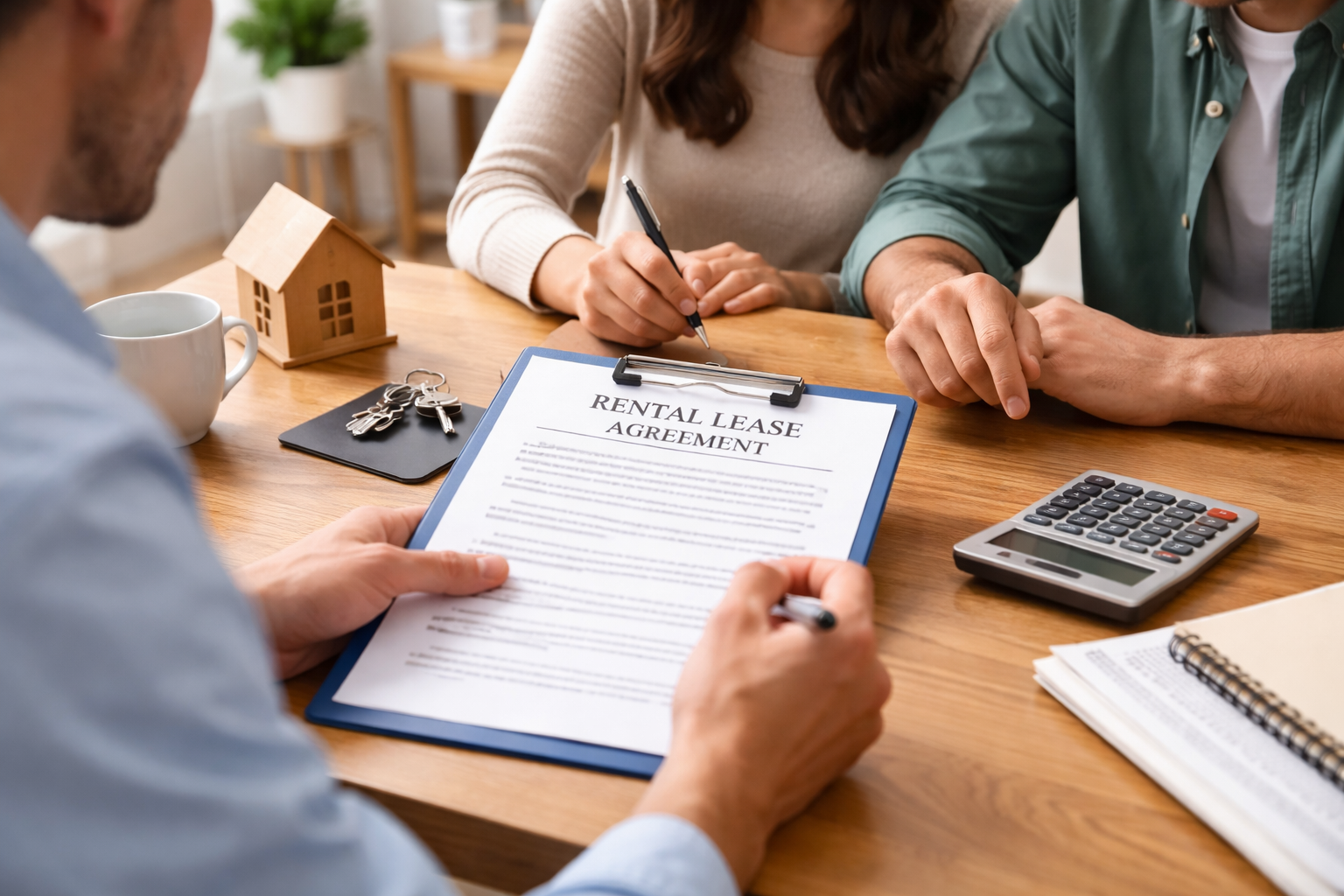
Everyone stares at rent. Rent matters. But the lease terms decide your total spend, and your ability to leave without getting wrecked.
Length of lease and renewal structure
A longer term can be a discount tool. Sometimes. It depends on the market and the landlord’s financing and turnover history. A 6-month lease can be a landlord’s “test drive” price. A 12- or 18-month lease can be your chance to lock in stability.
But don’t just ask for “lower rent.” Ask for a predictable renewal method. Something like a capped increase, or a defined renewal window where increases are limited if you renew early. Landlords like predictability, too.
One thing we see: tenants wait until the last minute, then panic. Not great. As reported by PNC Bank, sixty-seven percent of Americans live paycheck to paycheck. When your budget is tight, timing becomes a negotiation tool, not a footnote.
Fees, utilities, and who pays for what
Fees are sneaky. Admin fees. Trash fees. Parking fees. “Technology package.” Some are legit. Some are basically rent wearing a fake mustache.
What actually works is asking for one of these: remove a fee, cap a fee, or convert a fee into something you control (like letting you bring your own internet instead of paying a bundled service).
Utilities matter more than people admit. Especially in older buildings where heating and cooling are a mess. Ask how utilities are allocated. Individually metered? Ratio utility billing? Flat fee? If it’s a shared allocation method, ask for a copy of the policy and a sample bill cycle. Not because you’re suspicious. Because you’re budgeting like a grown-up.

Repairs, maintenance, and “who handles what”
This is where tenant relationships are won or lost. Response times. How do you submit requests? What counts as an emergency? Whether you’re on the hook for clogged drains. It’s not just comfort. It’s cost, and it’s time off work.
Some leases quietly push HVAC filter replacement onto the tenant, but don’t say which filters or how often. Guess what happened. Wrong size. System strain. Blame game. But the fix is simple: The landlord provides filters quarterly, and the tenant changes them. Clear. Calm. Done.
How to negotiate without making it weird
Negotiation fails when it gets emotional and vague. “That price is too high” is vague. “I’m ready to sign today if we can adjust these two terms” is not.
Pick two or three asks, not twelve
Too many asks reads like you’re planning to be difficult. Even if you’re not. The trick is picking terms that matter to you and are easy for them to say yes to.
We usually aim for one money item (rent, fee, concession), one risk item (early termination, sublet, renewal cap), and one quality-of-life item (maintenance response expectations, parking, storage). Not always. But it’s a solid starting point.
Use timing like a grown-up
Timing changes everything. A unit that’s been sitting is a different negotiation than a unit with five applications. Ask how long it’s been available. Ask when they need it filled. Don’t overtalk it. Just listen.
And if you’re renewing, start earlier than you want to. Landlords plan. Property managers have calendars. If you show up organized, you’re automatically easier to keep.
Give them a clean trade
Landlords hate uncertainty. So trade certainty for price or terms. Examples that tend to land well:
- Earlier move-in date (if you can actually do it)
- Auto-pay setup
- Longer lease term
- Higher security deposit allowed by law (sometimes helpful, sometimes not)
- Pre-scheduled inspection schedule that reduces their anxiety
Real talk: don’t offer “I’ll be a good tenant.” Everyone says that. Offer something operational.
Common lease terms that deserve extra attention
Some clauses are where renters get trapped. Landlords don’t always intend it that way. Templates are messy. Property management software is messy. Still your problem though, since you’re the one signing.
Early termination and buyout language
Life happens. Job transfer. Breakup. Sick parent. The lease should say what happens if you need to leave. A clean buyout clause can be a gift. It sets the cost and the process. No mystery.
But watch for language that lets them charge you until the end of the term even after re-renting, or language that blocks subletting entirely without a reasonable approval process. In many states, landlords have a duty to mitigate damages, but the lease wording can still create a headache. Tighten it now, not during a crisis.
Automatic renewal and notice requirements
This one hits busy students and young professionals hard. You blink. You miss a notice window. Now you’re locked in or paying month-to-month at a premium.
Ask for the notice period in writing and put it on your calendar the same day you sign. Not kidding. A 2006 study from Duke University found 40% of all our daily activities are habitual. Calendaring lease deadlines turns “I forgot” into “handled.”
Roommate changes and joint liability
If you’re on a joint lease, you’re typically jointly and severally liable. Translation: if your roommate ghosts, you can still owe the full amount. I’m not saying don’t do roommates. We love roommates for cost control. Just don’t pretend the risk isn’t real.
Negotiate for a roommate replacement process. Approval timeline. Any fees. Whether the remaining tenant must re-qualify alone. This is where many property managers will work with you if you ask early and stay reasonable.
Negotiation scripts that don’t sound like scripts
Use your own words. But here’s the vibe we coach.
For an initial lease
“We like the place. We’re ready to apply and move forward quickly. Before we do, can we adjust two things in the lease? One is the early termination language. We’d like a defined buyout option. The other is the admin fee. If you can waive that, we can sign as soon as the lease is updated.”
Short. Specific. No drama.
For a renewal
“We’d like to renew. We’ve paid on time and kept maintenance requests reasonable. If we renew for 12 months, can we keep the increase to a capped percentage and lock it in this week? We’d love to make this easy for you.”
Notice what’s happening. You’re reminding them you’re low-risk. You’re offering speed. You’re not arguing about fairness. Fairness is messy & subjective, but what you’re offering is specific and concrete.
Landlords and managers reading this
If you manage rentals, you already know the math. Turnover hurts. People treat “tenant retention” like it’s some fluffy concept. It’s not. It’s operational.
Want better relationships and fewer blowups? Make your lease readable. Publish a maintenance process with response time expectations. Offer a clear renewal timeline. When renters know what’s coming, they avoid any anger or panic.
We’ve seen landlords win long-term by giving one small concession paired with one clear expectation. Example: waive a pet fee, require renter’s insurance and enforce noise rules. Everyone’s happier. Less chaos.
Where to go next
If you’re about to negotiate, you’ll probably want to get sharper on the specific pressure points. We’ve got focused reads on the moments that matter: how to negotiate rent legally, when to ask for lease concessions, lease clauses to avoid, why renewals raise rent, how to compare lease offers, and what an attorney reviews in leases.
And if you want hands-on help, that’s literally what we do at Rental Secrets. We’ll look at your specific lease, your market, and your timeline. Then we help you craft asks that a landlord can actually say yes to. Not magic. Just clean logic and good timing.
Disclaimer: This article does not constitute legal advice.