
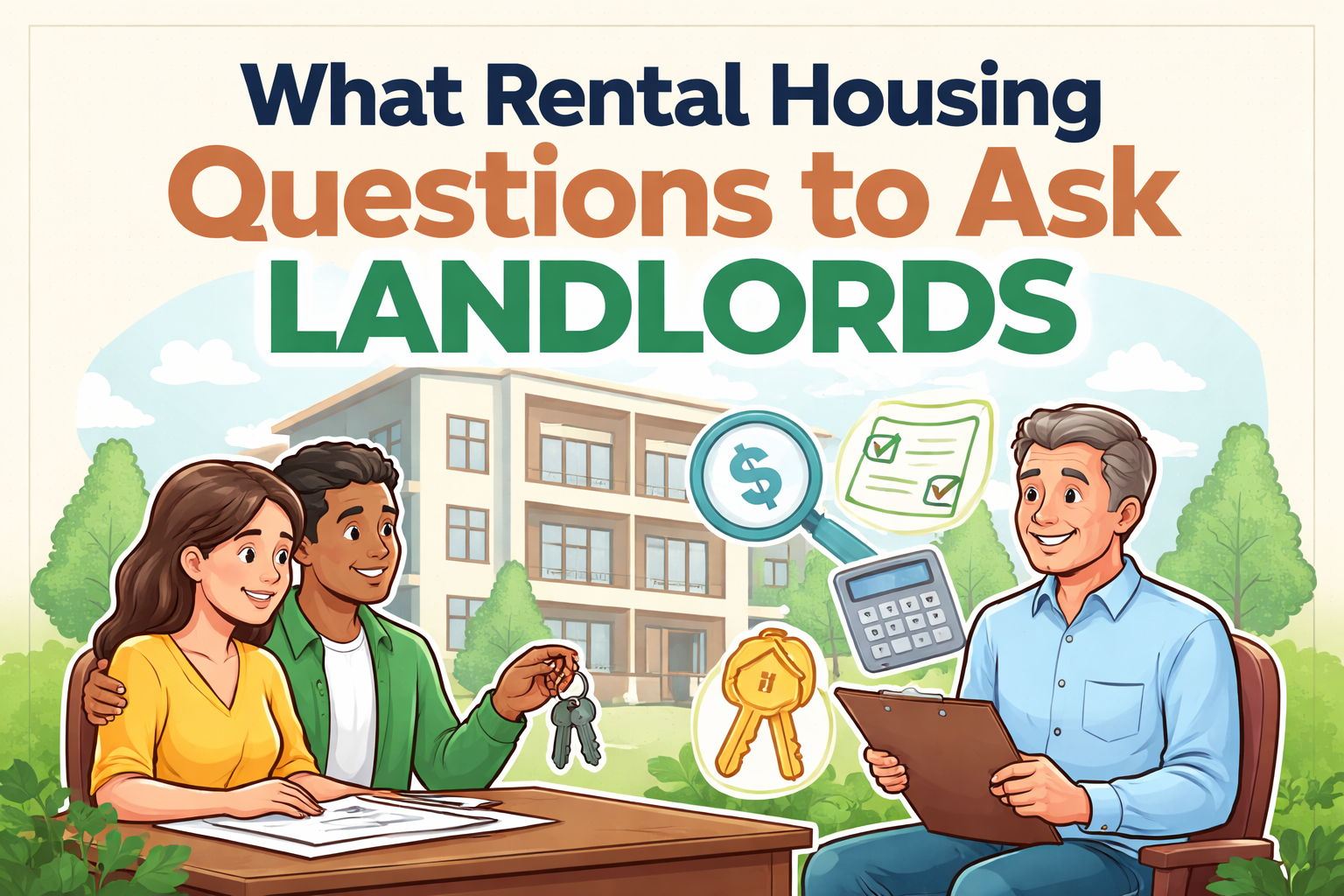
Ask the right questions before you fall in love with the place. Seriously. Rent is only one line in your monthly budget. Fees, utilities, rules, and repair timelines can quietly blow up your plan.
At Rental Secrets, we push one idea hard. Don’t shop like a consumer. Shop like a negotiator. And the fastest way to negotiate is to get clean information early. That starts with questions that make landlords and managers think, not questions that make them defensive.
Start with the real monthly number not the advertised rent
Look, the listing rent is the teaser trailer. The full movie is the total cost to live there. I’ve had clients who thought they were scoring a deal. Then parking and trash and “resident benefits” showed up. Ouch.
Ask about every recurring fee
Try this phrasing. It’s calm. It’s specific. It doesn’t sound like you’re hunting for a fight.
- “What’s the total monthly cost for an average tenant here, including all required fees?”
- “Which utilities are tenant-paid, and which are flat fees vs metered?”
- “Is parking included? If not, what are the options and prices?”
- “Any required service packages (HVAC filters, pest, portal fees, insurance add-ons)?”
- “How often do fees change, and what notice do tenants get?”
Most landlords appreciate that you’re doing math. Some even relax. Because detail-oriented, cost-aware tenants tend to pay on time. That’s the truth.
Get clarity on deposits and move-in costs
Security deposit. Pet deposit. “Nonrefundable” pet fees (yes, both can exist). Admin fee. Holding fee. Application fee. Sometimes a “lease prep” fee that feels like someone made it up on a Tuesday.
Ask: “What do I pay before keys are handed over, and what’s refundable?” Then stop talking. Let them answer.
And if you’re comparing options, our rental screening and finding rentals resources can help you line up apples-to-apples costs. That comparison alone is negotiating power.

Repair standards and response times tell you what life will feel like
Honestly? This is where you find out if the place is going to drain your time. Cheap rent isn’t cheap when you’re missing work for maintenance appointments that never happen.
Ask how maintenance requests actually get handled
Skip the vague “How’s maintenance?” question. Everyone says “Great.” Ask it like this instead:
“How do tenants submit requests. Portal, phone, text?”
“What’s your typical response time for non-urgent items? And what about emergencies?”
“Do you have in-house techs or outside vendors?”
Here’s another great question. “Do you do scheduled maintenance days?” They may only send vendors on Wednesdays. Great to know. Not great if you work twelve-hour shifts on Wednesdays.
Ask what counts as an emergency
Some places treat a broken fridge like a crisis. Others treat it like a suggestion.
Ask: “What do you consider an emergency repair. No heat, active leak, no hot water?”
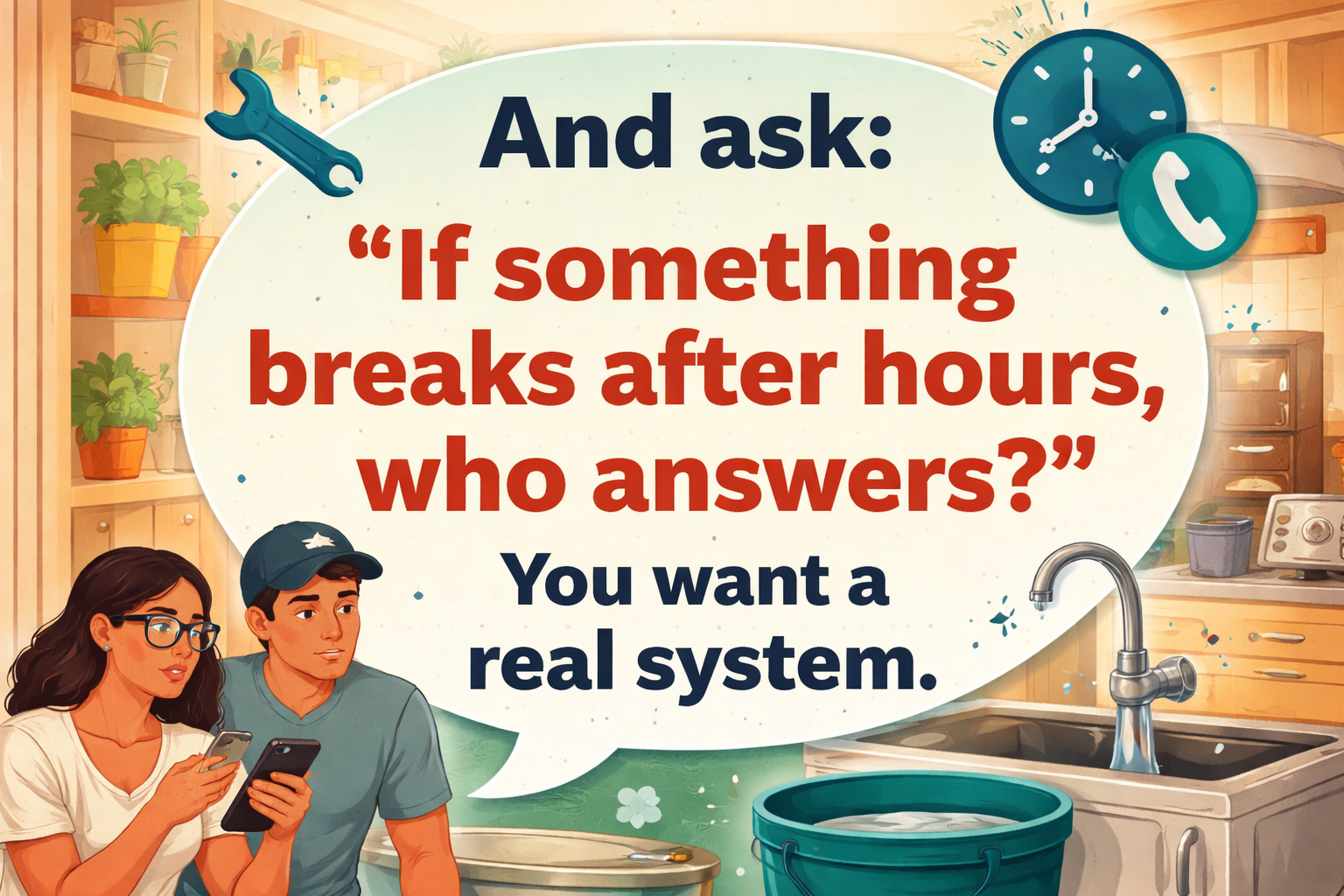
And ask: “If something breaks after hours, who answers?” You want a real system. Not “Just email us, and we’ll see it Monday.”
This is also a sneaky way to learn how they think. At Rental Secrets, we talk a lot about landlord psychology. The good operators have repeatable processes. The messy ones rely on memory and mood.
Lease terms that quietly control your options
Thing is, people focus on rent and the move-in date. Then they sign a lease that locks them in with expensive exit penalties and weird renewals. Been there. Turns out that skimming leases is for amateurs. Professionals read – sometimes twice.
Renewal and rent increase questions that aren’t awkward
Ask: “How do renewals work here?” Then follow with: “When do you typically send renewal offers?”
And yes, ask this: “How do you decide rent increases at renewal?”
They might say “market.” Cool. Then ask: “Do you use a pricing software, or is it manual?” That tells you how flexible they can be. Pricing software tends to be rigid. Manual pricing tends to allow human judgment. That’s where negotiation lives.
Early termination, subletting, and roommate changes
Real life happens. Job transfers. Breakups. New baby. A roommate who stops paying because they’re busy collecting parking tickets like trophies.
Ask:
“What’s the early termination policy, and what does it cost in a worst-case scenario?”
“Do you allow subletting or lease assignments?”
“If a roommate needs to be added or removed, what’s the process and fee?”
Those answers hit your budget risk. Big time. And if you want a broader strategy for these conversations, our rental housing guide for renters and landlords lays out how we approach negotiating from a market-based angle without turning it into a tense standoff.
Rules that affect your day-to-day budget and sanity
Some rules are reasonable. Some are… creative. And the cost impact is real. A “no grills” rule might mean more takeout. A strict guest policy can make family visits stressful. A package policy can mean stolen deliveries and replacement costs. That’s money.
Pets, guests, and noise policies
Ask: “What’s the full pet policy, including breed restrictions, weight limits, fees, and monthly pet rent?”
Then: “What’s the guest policy. Any limits on consecutive nights?”
And: “How do you handle noise complaints?”
Here’s what I’m listening for when I work with clients. Do they describe a fair process? Or do they sound eager to punish? You can hear it.
Parking, packages, and security
Ask: “Is parking assigned, first-come, or permit-based?”
Ask: “What’s the package delivery setup. Lockers, office holding, door delivery?”
And ask: “Any common security issues in the last year. Car break-ins, package theft?”
They might not share much. That’s normal. But how they respond still tells you something. Evasive isn’t always a dealbreaker. Defensive is.
Questions that open the door to negotiation without getting weird
Real talk: Lots of renters ask for lower rent with emotion. “I’m a good person.” “I’m stressed.” “Everything’s expensive.” Landlords hear that all day. It rarely changes the numbers.
What changes the numbers is reducing landlord risk and hassle. That’s what we focus on at Rental Secrets. You show you’re stable, organized, and easy to work with. Then you ask for something specific. Calmly.
Ask what they value most in a tenant
Try: “When you pick between two similar applicants, what makes you choose one?”
This question is gold. They’ll tell you their priorities. Fast move-in. Longer lease. Stronger income. Quiet household. Fewer pets. Whatever it is, you can respond with a package that fits.
Ask for concessions in a way that feels normal
Instead of “Can you drop the rent?”, ask: “Are there any current concessions. Or flexibility on lease terms?”
Then you can get practical:
“If I sign a longer term, can you lower the monthly rent?”
“Can we waive the admin fee or reduce the parking cost?”
“Could you include a carpet cleaning at move-out, or confirm no charge if professionally cleaned?”
And yes, sometimes you just ask for a rent reduction. But we like to earn it. Show comps. Show you understand the market. Make it easy for them to say yes. Most of the time, the best deals happen when the landlord feels like they’re choosing a low-drama tenant. Not getting cornered.
FAQs for What rental housing questions to ask landlords
What’s the single most important question to ask a landlord?
“What’s the total monthly cost to live here, including all required fees and typical utilities?” Rent alone can be misleading. When your budget is tight, the recurring add-ons are what really bite.
How do I ask tough questions without sounding like a problem tenant?
Keep it matter-of-fact. Use “I’m trying to budget accurately” as your reason. Then ask for specifics. Timelines. Fees. Process. Landlords and property managers usually respond well to that tone because it signals you’ll be predictable in a good way. And if they don’t. That’s information too.
Disclaimer: This article does not constitute legal advice.