
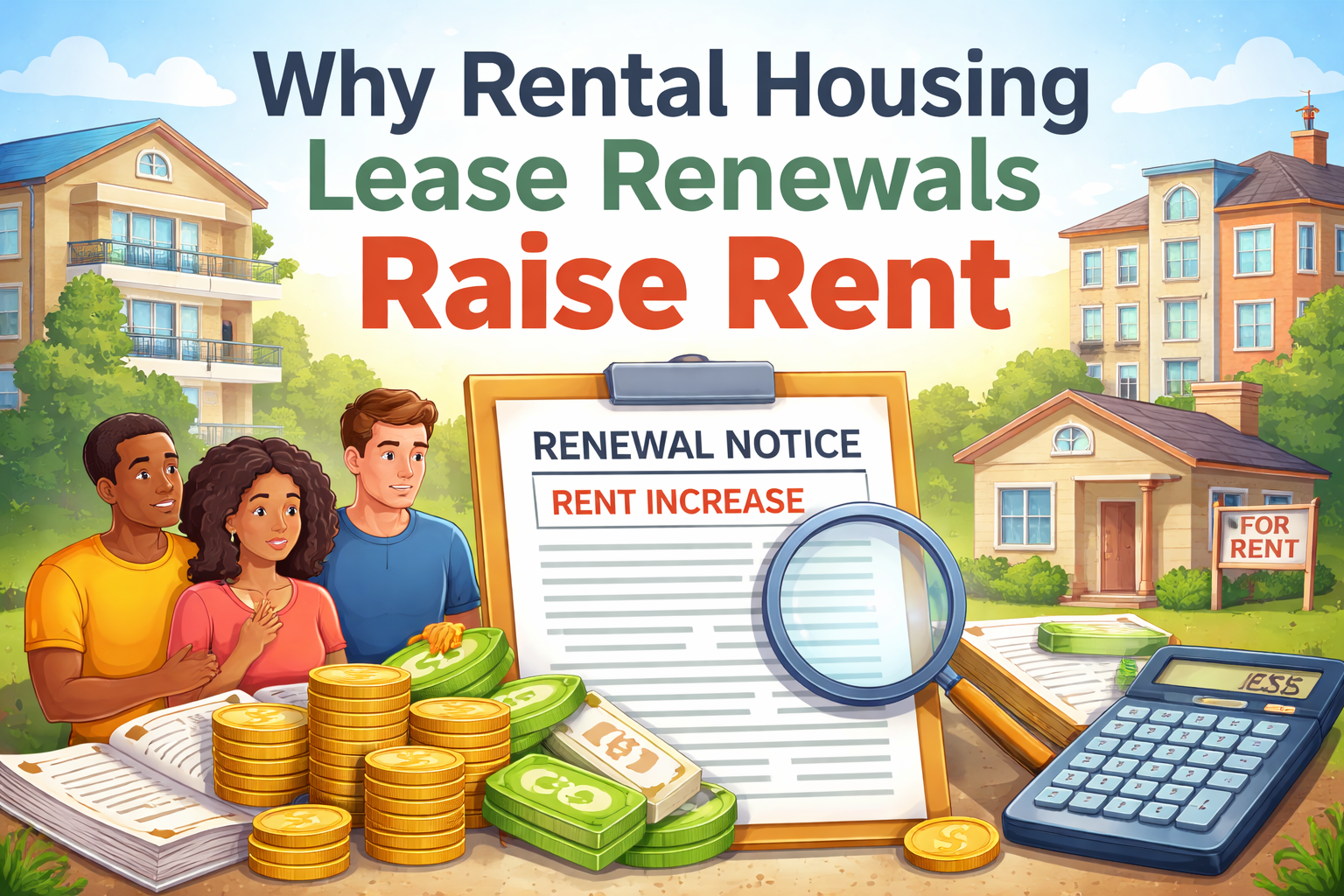
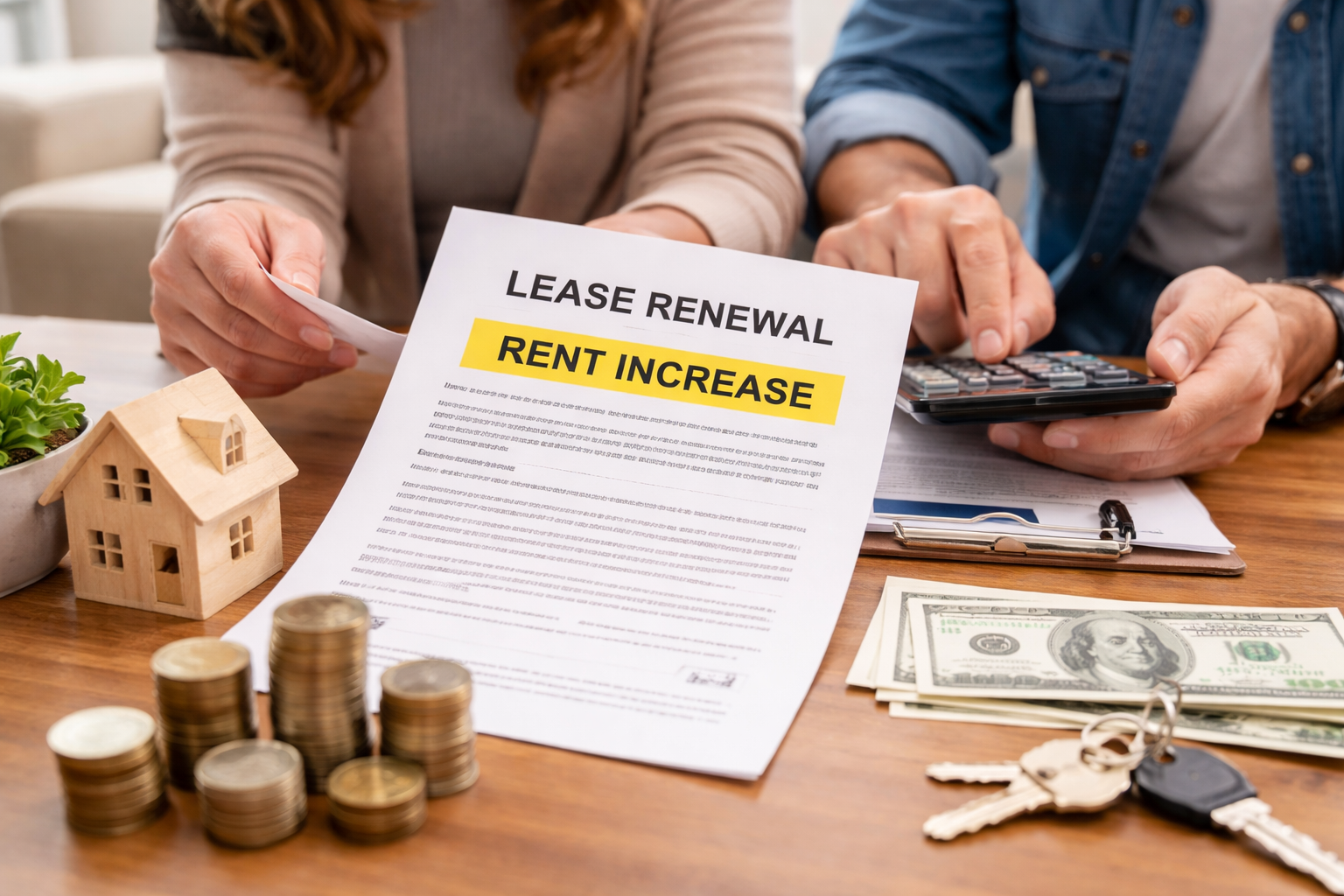
Lease renewal time hits and the rent goes up. Even when you’ve been a solid tenant. Paid on time. Quiet. Took care of the place. It feels personal. Most of the time, it’s not.
At Rental Secrets, we work with renters and this exact question comes up nonstop. So here’s the real answer. Renewals raise rent because the business side of rentals pushes landlords toward increases. Some of it is costs. Some is strategy. Some is just basic market gravity.
Renewal rent hikes are often a business default
Landlords plan for increases before you even ask
Look, a lot of property owners run renewals on autopilot. They set a “renewal bump” in their head months in advance. Not because you did anything wrong. Because they’re trying to keep up with next year’s expenses and avoid having to play catch-up later.
When I work with clients on this, the first thing I check is whether the landlord is using a property manager or doing it themselves. Managers often have templates. They’re trained to ask for more. Owners can be more flexible, but they still tend to start high because… why wouldn’t they?
They’re not pricing the home. They’re pricing risk
Here’s what I mean. Landlords aren’t only thinking, “What’s this apartment worth?” They’re thinking, “What could go wrong next year?”
Plumbing. HVAC. A roof that’s behaving today but might not behave in July. Even a single vacancy later can wipe out months of profit. So renewal time becomes the moment they try to build a cushion.
And yes, some landlords are just copying what they see online. That bugs me. A Zestimate-style rent estimate isn’t a budget. But it happens.
The market gives landlords an excuse and sometimes a mandate
Comps creep up and your unit gets pulled along
Most renewals are tied to local comparable rents. Same neighborhood. Similar square footage. Similar finish level. When those numbers rise, your rent gets dragged upward too, even if your unit hasn’t changed one bit.
Students see this a lot near campuses. One new building opens with shiny amenities and high rents. Then older buildings use those rents to justify increases. Even when the “amenities” are just a slightly newer couch in the lounge you’ll never use.
If you want the bigger context for how all this fits into the rental process, we keep an updated renter and landlord rental housing guide that covers the mindset shift we teach. Negotiation over consumption. It matters here.
Low vacancy changes the whole conversation
When there aren’t many open units, landlords feel bold. They assume that if you leave, someone else will take it at a higher number. And sometimes they’re right.
But don’t miss the other side. Low vacancy also means your landlord may not want turnover. Turnover is chaos. Showings, screening, maintenance, a lost month of rent if timing goes sideways. That’s your opening.
We’ve had clients win no increase at all in tight markets. Not with angry emails. With calm math and a clean ask.
Costs rise, but not always the way landlords say
Insurance and taxes are the usual culprits
Real talk: property insurance has been rough in a lot of areas. Taxes too, especially after reassessments. Those are two line items landlords can’t negotiate down easily.
So when a landlord says, “My costs went up,” that’s often true. Sometimes very true. Especially for small owners with one or two properties. They don’t have scale. A big corporate owner can spread pain across a portfolio. A small landlord feels every bump like a gut punch.
But not every increase is cost-based
Now, the part people don’t love hearing. Some rent hikes are simply “because the market will pay it.”
It’s easy to think most landlords carefully calculate increases based on expenses. Turns out plenty just aim for market rate and call it a day. It’s not evil. It’s capitalism with a calendar reminder.
So what do you do with that? You ask better questions. You don’t argue their feelings. You bring your own numbers. That’s the Rental Secrets approach in a sentence.
Renewal time is also when landlords test boundaries
The first offer is often a feeler
Most landlords don’t start with their best number. They start with a number that leaves them room. Room to “meet you in the middle” and still land where they want.
And tenants tend to respond with emotion. Understandably. Rent is your biggest bill. But emotional pushback doesn’t give a landlord anything to work with. It just creates friction.
What actually works is boring. A small package of rational points. Your payment history. Any minor upgrades you handled. Your willingness to sign longer. A realistic counter that’s anchored to comps. Not fantasy comps. Real ones.
They’re weighing you against the vacancy gamble
This is the hidden calculation: “Do I take a smaller increase and keep a known tenant, or do I roll the dice and try for a bigger number?”
So help them pick you. Make “keeping you” look easy and smart.
- Offer a longer lease term (15 to 18 months can be oddly attractive)
- Ask for a smaller increase in exchange for a quick yes this week
- Show clean comps that support your counteroffer
- Point out your low-maintenance tenant behavior (with specifics)
- Ask for improvements instead of a rent cut when the number won’t move
If you want more tactics like this, we’ve got a full section on lease terms and rent negotiation strategies that matches how negotiations actually go in the real world. A little messy. Very human.
How to push back without torching the relationship
Get your timing right
Thing is, timing is half the battle. Negotiate early. Not three days before the renewal deadline. You want your landlord to have time to think, check comps, and talk to a manager or spouse if they have one.
In our experience, 60 to 90 days out is the sweet spot for most standard leases. Some markets need more runway. Especially if your area has heavy summer leasing cycles.
Use the language landlords respond to
Here’s a quick script style that works more often than people expect:
Keep it calm. Keep it specific. “We like living here and we’d like to renew. The proposed increase is higher than what we’re seeing for similar units. We can renew at $X, and we can sign by Friday.”
Notice what’s missing. No rant. No moral speech. No “I’ve been a loyal tenant so I deserve…” Loyalty is nice. Landlords can’t put it in a spreadsheet. Make your offer easy to accept.
And if you’re a landlord reading this. Be straight with your tenant. If the increase is tied to insurance or taxes, say that. If you’re trying to move closer to market rent, say that too. Tenants can handle reality. The vague stuff is what makes people spiral.
FAQs for Why rental housing lease renewals raise rent
Can my landlord raise rent at renewal even if nothing changed?
Usually, yes. Renewal is a new agreement, so the rent can change as long as the landlord follows your local rules and the notice requirements in your lease or state law. The “nothing changed” feeling is real, though. That’s why your best move is to anchor your counteroffer to comparable rentals and to the landlord’s turnover costs.
What’s the best counteroffer when they raise rent?
One that’s credible. We like a counter that’s supported by 2 to 4 comparable listings, adjusted for obvious differences (parking, washer and dryer, renovations, included utilities). Then you add something that reduces their risk. Longer term. Fast commitment. Fewer concessions. If the landlord won’t budge on monthly rent, shifting to a concession can still save you real money, like a smaller increase paired with a carpet cleaning credit or a repair you’ve been waiting on.
Disclaimer: This article does not constitute legal advice.