

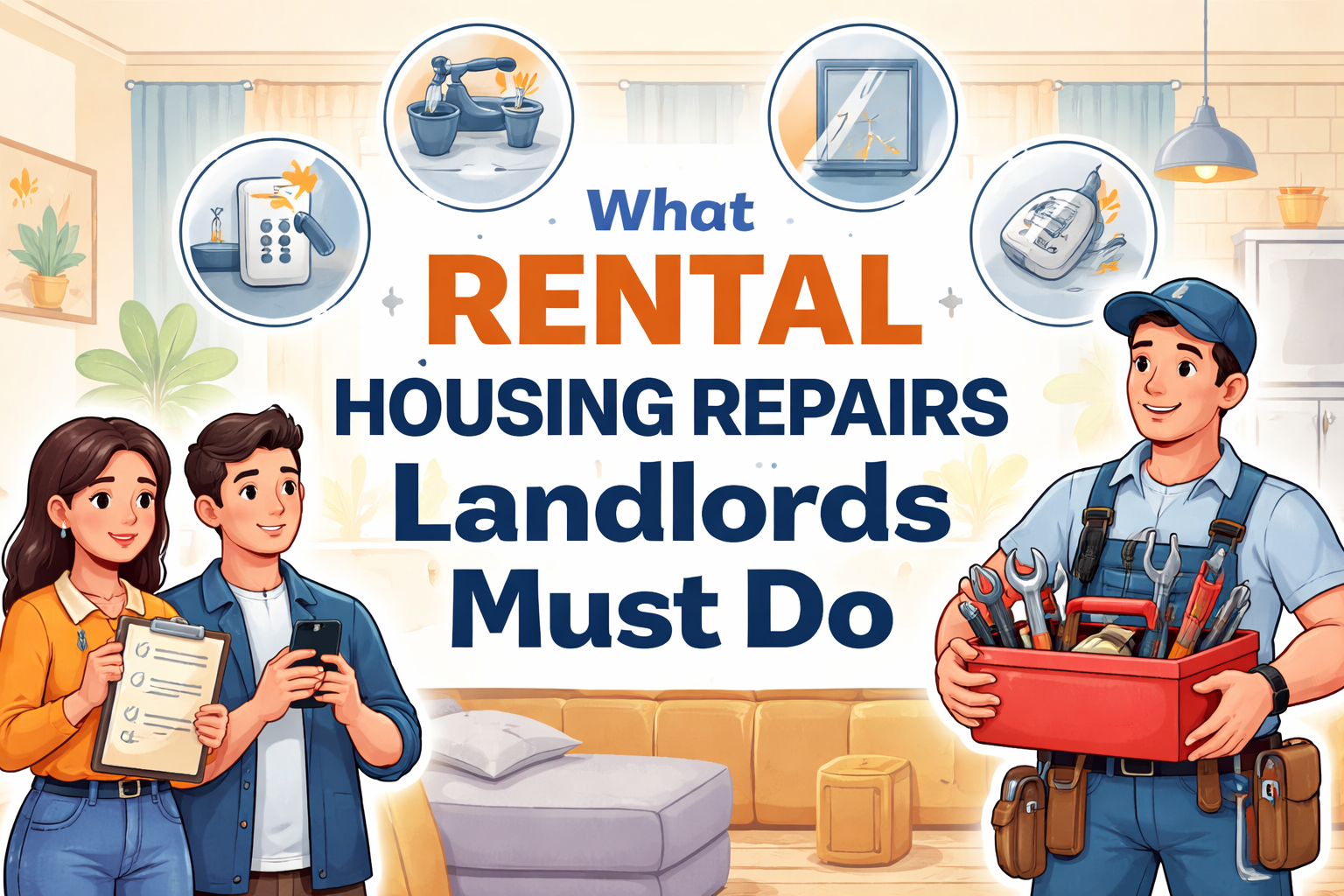
Most repair fights come down to one question. Is the place still safe and livable? Or are you just annoyed because something broke?
Landlords don’t get to shrug off the basics. Heat. Water. Electricity. A lock that actually locks. But renters also don’t get free upgrades because a fridge looks old. That’s the tension. And it’s why repair requests go sideways fast.
We do this kind of coaching all the time at Rental Secrets. And honestly, the renter who gets fast repairs isn’t the loudest. It’s the one who’s calm, specific, and a little strategic.
Habitability repairs landlords usually must handle
Look, laws vary by state and city. But “habitability” is the same vibe almost everywhere. The home has to be livable. Not fancy. Livable.
The big-ticket essentials
These are the repairs that tend to be non-negotiable. When we work with clients on this, the first thing we check is whether the issue touches health, safety, or basic utilities. If yes, the landlord usually owns it.
- No heat in winter. Or no AC where local rules treat it as required.
- No hot water. Or plumbing failures that stop toilets, sinks, or showers from working.
- Electrical hazards. Repeated breaker trips, sparking outlets, dead circuits in key areas.
- Water intrusion and leaks that cause damage or mold risk.
- Security issues. Broken exterior doors, windows that won’t lock, busted deadbolts.
Pests, mold, and stuff nobody wants to argue about
Pest problems are messy. Literally. A single ant line in June isn’t always the landlord’s crisis. A roach infestation, mice, bed bugs. Different story. Most leases and many local codes put the burden on the landlord to treat, especially if it’s not clearly caused by tenant behavior.
Mold gets emotional fast. And expensive. Landlords usually must fix the source of moisture. The leak, the ventilation failure, the roof problem. Wiping surface spots isn’t the fix if the wall is wet behind it. I’ve seen landlords try the “bleach and goodbye” move. It backfires when the musty smell comes right back in two weeks.
If you want a broader map of how repair rights fit into the whole renter-landlord relationship, our tenant rights and legal basics page is a good place to start. Not theory. Actual practical stuff.
Repairs that are often the renter’s responsibility
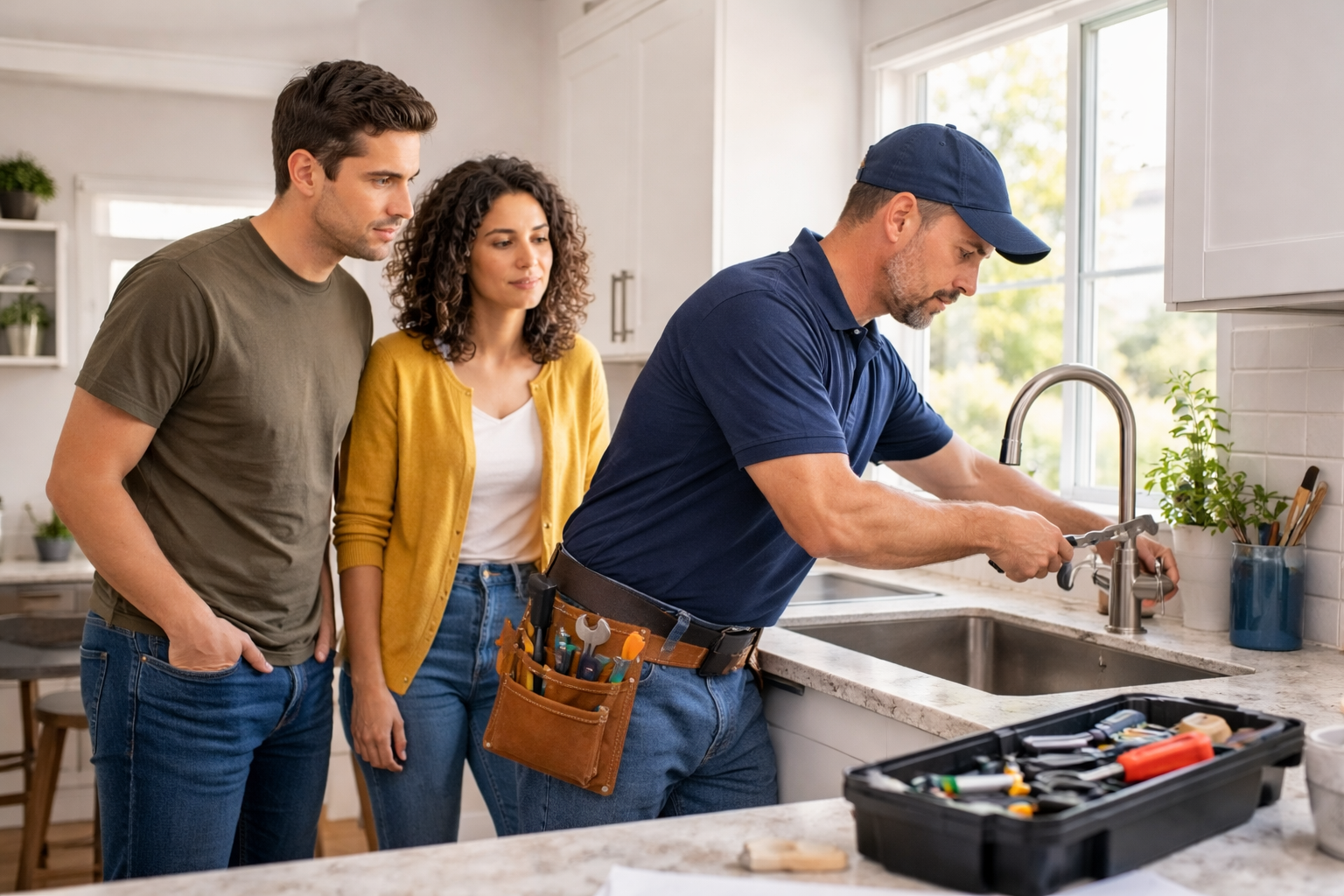
Thing is, a lot of renters assume, “I pay rent, you fix everything.” I get it. But leases and local rules usually slice responsibilities into two buckets: normal wear and tear versus tenant-caused damage and day-to-day upkeep.
Normal wear and tear versus damage
Wear and tear is stuff that happens because humans live in homes. Carpet gets tired. Caulk shrinks. A door handle gets loose after years of use. That tends to land on the landlord.
Damage is different. Holes in doors. A shattered window from a party accident. A clogged toilet from “flushable” wipes (they aren’t). That tends to be on the renter.
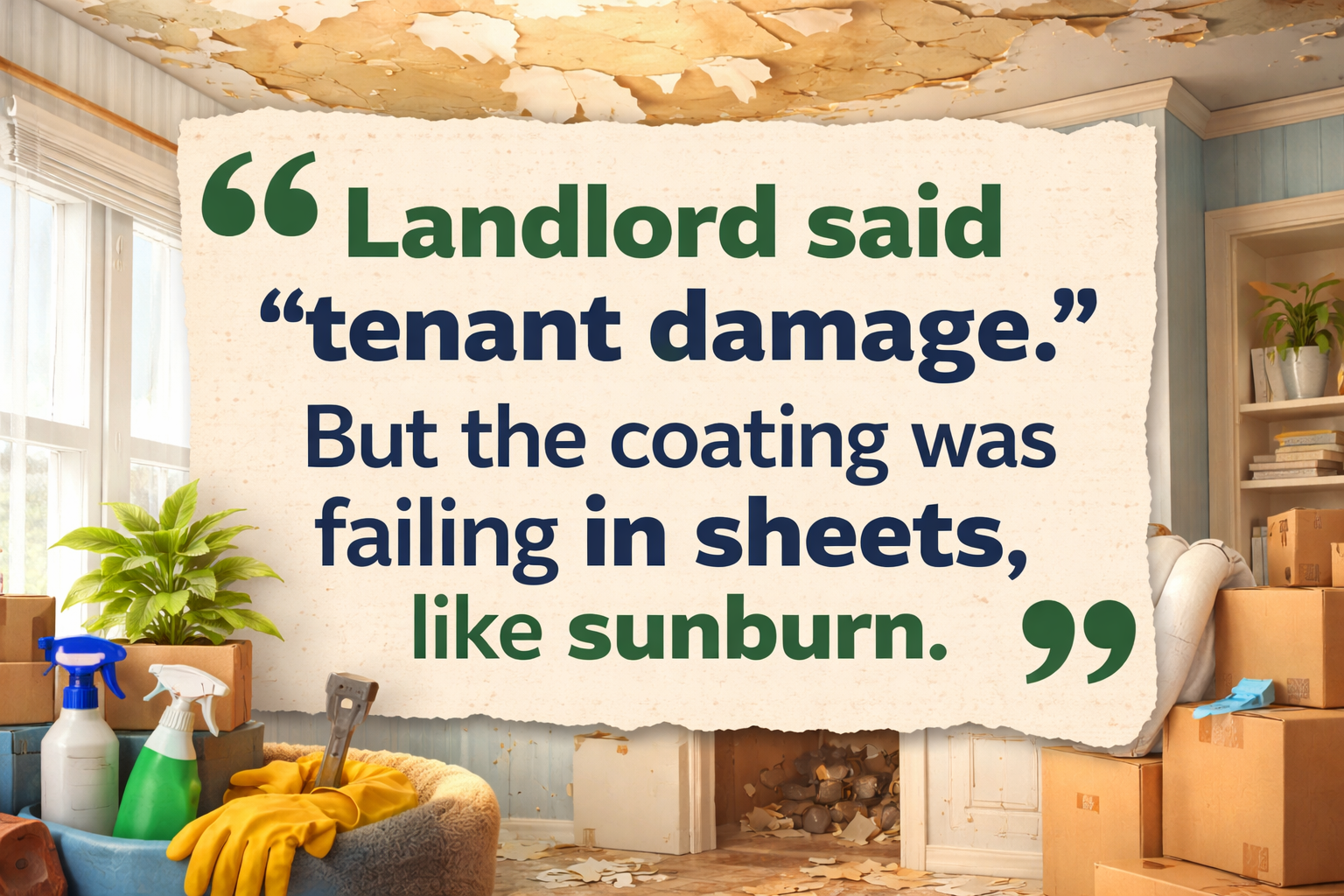
Turns out this distinction isn’t always obvious. For example, who’s responsible if the tub enamel is peeling? Landlords can claim “tenant damage.” But if the coating is failing in sheets, like sunburn. Classic age and poor prior resurfacing. You can push back with photos and dates, like an adult.
Little maintenance tasks that get overlooked
Most leases expect renters to do basic upkeep. Replace light bulbs. Keep the place reasonably clean. Report problems early. Not “wait three months and then demand a brand-new ceiling.”
Filters are a common flashpoint. Some landlords provide HVAC filters and just ask you to swap them monthly. Some want you to buy them. Either way, ignoring filters can cause expensive damage. And then you’re arguing about who pays for a blown system. Not fun.
How to request repairs so they actually happen
Real talk: the repair itself is only half the battle. The other half is how you communicate. Landlords are juggling vendors, budgets, and sometimes multiple properties. Your request needs to be easy to take action on.
Write like you’re creating a work order
Here’s what we recommend. Keep it short. Use facts. Dates. Photos. And one clear ask.
Better: “Kitchen sink leak under the P-trap. Started 3/6. Water pooling in cabinet. Photo attached. Please send a plumber this week.”
Worse: “The sink is a disaster and everything is falling apart.”
And yes, I know. When you’re stressed and you’ve got a wet cabinet, you want to vent. But venting slows repairs. It just does. And without specifics, the property manager can’t prepare the plumber for what they’ll face.
Timelines and what counts as reasonable
“Reasonable time” shows up in a lot of state laws. It’s squishy on purpose. No heat in January. That’s urgent. A broken dishwasher. Usually not urgent, unless your lease specifically promises one and local rules treat it differently.
In our experience, the fastest path is to propose a window instead of a demand. “Can you have someone out by Friday?” is easier to say yes to than “Fix it now or else.”
Want the bigger negotiation mindset behind this. The part where you stop sounding like a powerless consumer and start sounding like someone who understands the business. That’s what our renter and landlord negotiation main guide is about. It’s the same energy that gets repairs handled without burning the relationship.
When landlords can enter for repairs and what you can say
This bugs a lot of renters. Someone texts “maintenance is coming tomorrow” and then nobody shows. Or they show up when you’re in the shower. Not ideal.
Notice rules and consent
Most places require reasonable notice for non-emergency entry. Often 24 to 48 hours. Emergencies are different. Active flooding, smoke, gas smells, a broken exterior door after a break-in. They can usually enter to prevent damage or keep people safe.
But for routine repairs, they generally need notice. And you can often request a time window. You can also ask for the vendor’s name and whether the landlord will be present.
Protecting your stuff without becoming the villain
We like a simple script: “Thanks. Please confirm the arrival window and who will be entering. I’ll secure pets and can make the area accessible.”
It shows you’re cooperative. It also creates a paper trail. And paper trails matter. I’ve seen disputes where the landlord swore they gave notice. Tenant had nothing in writing. Guess who lost that argument?
Repair disputes that impact rent, deposits, and negotiation power
Now we’re getting to the money part. Because repairs aren’t just comfort issues. They can change your costs. They can affect renewal rent. And they can decide whether you get your security deposit back.
Withholding rent and repair and deduct
Some states allow rent withholding or “repair and deduct.” Others make it risky. Super risky. Do not freestyle this.
What we usually do with clients is start with documentation and escalation that stays clean. Written notice. Clear deadline. Photos. Then check the specific local rules before any rent move. Once you withhold improperly, you hand your landlord a possible nonpayment case. Even when you’re right about the repair. Painful irony.
Using repair history in renewal negotiations
This is where Rental Secrets thinking helps. Landlords respond to risk and stability. If repairs keep piling up, that’s risk. For you, it’s leverage. Not the angry kind. The logical kind.
A renter can say, calmly, “We like living here. But recurring plumbing issues and the extended repair times have been disruptive. We’re open to renewing at $X if we can also get a commitment on proactive maintenance.”
Does it always work. No. But it’s a real conversation. And it’s way more effective than “You never fix anything so I want $300 off.”
Also. Deposits. If you report problems early, you reduce the odds of being blamed for damage later. I’ve watched renters eat deposit charges because they didn’t report a slow leak until the cabinet floor was warped. The landlord claimed negligence. The tenant had no paper trail to fight it. That one hurts.
FAQs for What rental housing repairs landlords must do
My landlord says an appliance isn’t required. Do they still have to fix it?
Usually, if the appliance is provided as part of the rental (listed in the lease, advertised, or present at move-in), the landlord is on the hook to keep it working, unless the lease clearly says otherwise. The catch is urgency. A broken stove can be treated as more serious than a broken microwave. And some local codes treat cooking appliances differently. Get it in writing. Send photos. Ask for a repair date, not a debate.
How long can a landlord take to fix something serious like no heat?
No heat is typically urgent. Think days, not weeks. Sometimes same-day depending on temperature and local rules. What helps is framing it as safety plus property protection. “No heat risks frozen pipes.” Landlords understand that instantly. If you’re getting vague promises, follow up in writing each time. Short message. Date. Condition in the unit. Keep the thread going.
Disclaimer: This article does not constitute legal advice.