
You can tour a cute unit and still end up miserable. The apartment community is the long game. Noise. Safety. Maintenance habits. Management vibe. That stuff hits your budget and your brain every single week.
Real talk: most renters don’t lose money on rent. They lose it on surprises. Fees. Moving twice. Paying to break a lease. We’ve seen it a lot at Rental Secrets. The “red flags” aren’t always dramatic. They’re usually small and annoying. Then they multiply.
The curb appeal trap and what it hides
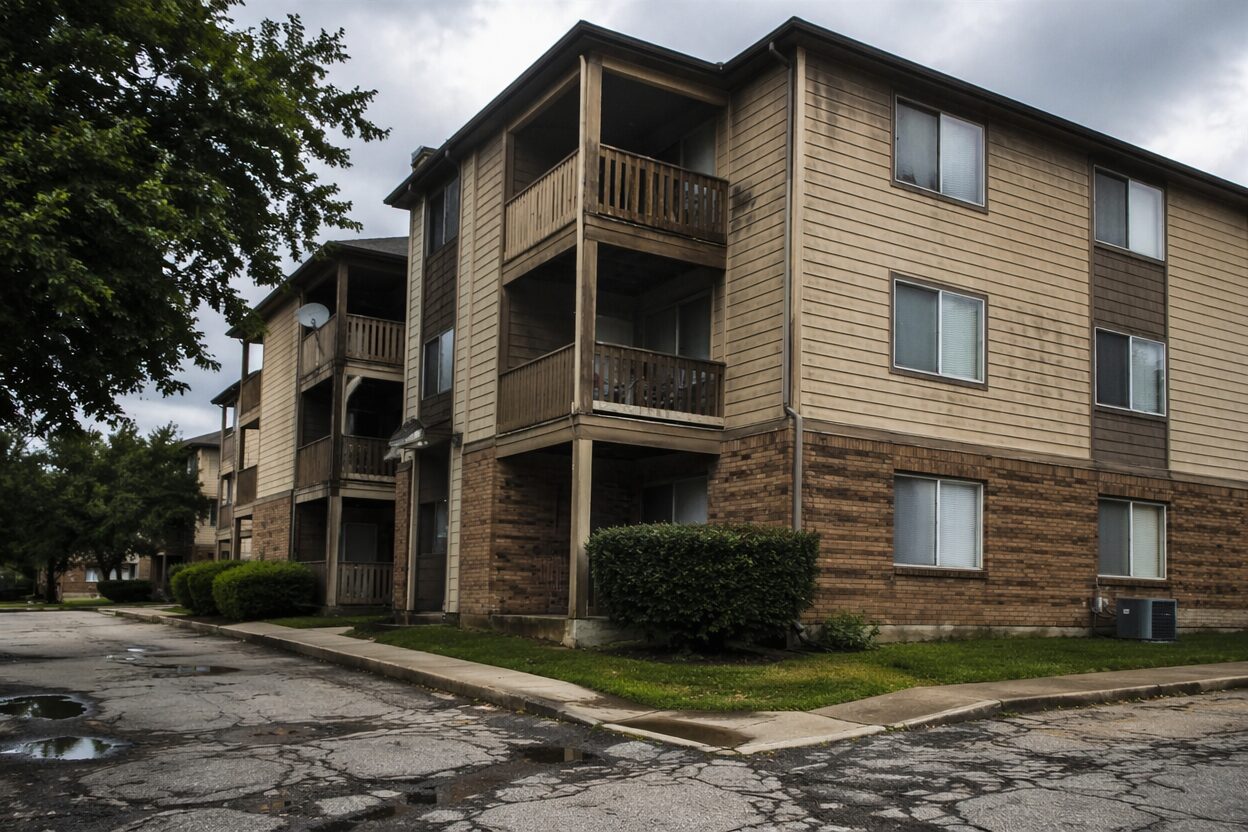
Look, fresh mulch and a new sign don’t mean anything. Sometimes it’s lipstick on a very tired pig. I’ve walked communities that looked like a resort at the entrance. Then the back buildings felt like a different zip code.
Back of property tells the truth
When we’re with clients, we always go to the farthest building. And the dumpsters. And the mail area. That’s where habits show up.
Watch for:
- Overflowing trash and broken lids that never get replaced
- Hallway carpet stains that look “historical”
- Dead landscaping that’s been dead for a while
- Parking lot potholes with DIY gravel inside
- Lights that are out at night (try driving through after dark)
Renovation theater
Some places do “premium” upgrades that are basically paint and a new faucet. Fine. But when the community is rough, the upgrade becomes a distraction.
Here’s what I do. I open cabinets. I look under the sink for water marks. I check the baseboards behind doors. And I peek at the water heater closet if it’s accessible. That’s where you see if maintenance is proactive or always chasing disasters.
If you want a bigger checklist for the whole tour, we keep one in our rental property tour guide for budget-smart renters. It’s built around the stuff that actually costs you money later. Not just “is the countertop pretty.”
Management tells on itself in tiny ways
Thing is, you’re not just renting a box. You’re buying into a service relationship. And yes, that sounds dramatic. But try getting a broken AC handled in July and tell me it’s not a relationship.
How they answer basic questions
Ask simple stuff. Then listen to the shape of the answer.
Good sign: “Our standard late fee is X, grace period is Y, and here’s how we handle one-time forgiveness.”
Red flag: vibes. “Oh don’t worry about that.” Or “It depends.” Or they dodge until you’re ready to apply. This bugs me because fuzzy answers become expensive answers after you sign.
Questions we like:
“How do you handle maintenance emergencies after hours?”
“Do you require renters insurance? What coverage amount?”
“What are the typical renewal increases here?”
Fee fog
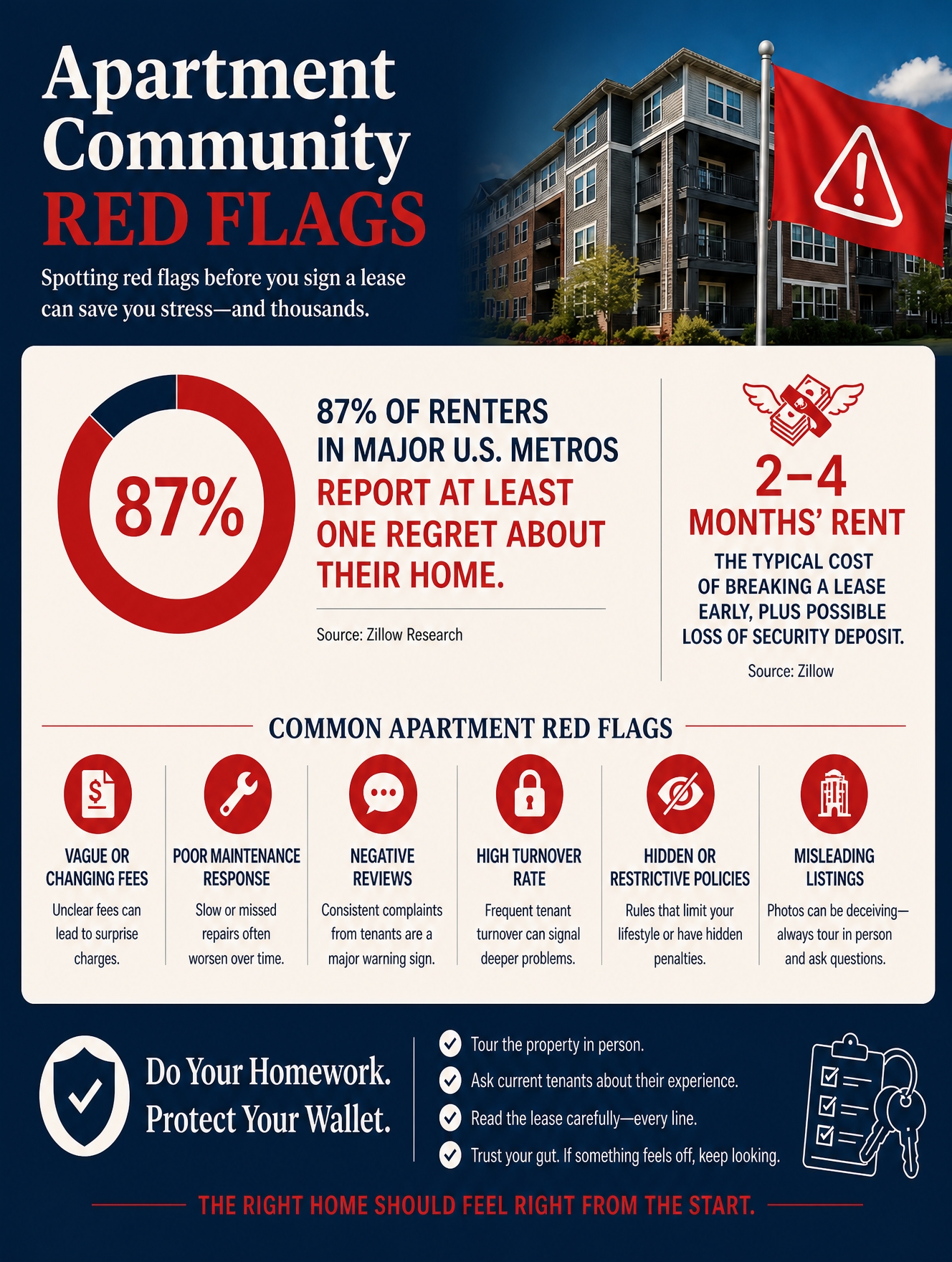
Fee fog is when the base rent looks fine, then the total monthly is… not fine. Package fees. Trash fees. Admin fees. Tech fees. Pest fees. “Amenity” fees for amenities you won’t use.
Ask for a full monthly cost sheet. Not an estimate. A line item list. If they can’t produce it quickly, that’s not a cute quirk. That’s a warning.
We talk a lot about this in why the property tour is more than just the apartment. Because your rent number is rarely the number you actually pay.
Safety and access issues that hit your wallet
Most people think “safety” is only about crime. It’s also about boring stuff. Lighting. Locks. Access control. Whether random people can wander in and treat the place like a public park.
Entry points and lazy security
Check the gates. Not if they exist. If they work. You’d be shocked how many “gated” communities have gates permanently open because they’re broken. Or residents prop doors open with rocks. And management shrugs.
Also, look at the mail area. If mailboxes look janky or constantly tampered with, that’s not just annoying. It can become a time-suck and a replacement-cost mess. New ID. New credit cards. Missed bills. Late fees. It spirals fast.
Parking tells a story
Parking is not to be ignored. Turns out parking challenges will cramp your lifestyle.
Is guest parking actually usable? Are cars on blocks? Are there lots of “reserved” signs that leave everyone else circling? If you come home late from work or you’ve got kids and groceries, this matters. And if your car gets dinged constantly, guess who pays. You do.
One exception. Dense city properties. Parking’s always rough. But good management still communicates rules clearly and enforces them consistently. That’s the difference.
Noise and neighbor patterns you can spot fast
Noise is the number-one dealbreaker that people ignore during a daytime tour. Daytime tours are a lie. Not on purpose. It’s just quiet at 11 a.m. on a Tuesday.
Do a second drive-by
We recommend you come back at two different times. Early morning. Evening. Maybe weekend afternoon. Sit in your car. Listen. Watch.
Do you hear constant barking? Screaming? Bass thumping through closed windows? Is the pool area basically a daily party zone? And hey, if you want that vibe, go for it. But don’t accidentally pay for stress.
Wear and tear in common areas
Common area condition is a neighbor proxy. When hallways are trashed, it can mean management doesn’t enforce basic standards. Or residents don’t care. Usually it’s both.
Pay attention to stairwells. Elevator buttons. Laundry rooms. If the laundry room looks like it’s survived a small war, you’re going to fight for machines. Or you’ll end up paying for wash-and-fold or driving to a laundromat. That’s a budget leak people don’t plan for.
And yes, I check the noise through walls. I’ll stand quietly in the unit for a full minute. Awkward. Worth it.
Maintenance reality and how to test it on a tour
Maintenance is where “nice” becomes “livable.” And where cheap becomes expensive.
Response time is a culture thing
Ask: “What’s your typical maintenance turnaround for non-emergency requests?” Then ask: “What’s your process?”
You’re listening for specifics. Ticket system. After-hours line. Vendor vs in-house. A property that’s organized usually answers like they’ve said it a thousand times. Because they have.
A property that’s winging it tends to say stuff like, “We try.” That’s not evil. It’s just risky.
Test the unit like you actually live there
Turn on two faucets at once. Flush the toilet. Does the shower pressure die? Turn on the range hood. Listen for rattling. Check windows. Do they lock? Do they slide like they’re on sand?
And check outlets. I bring a tiny phone charger. I plug it in. I’ve had tours where half the outlets were dead and nobody mentioned it. It happens.
One more. Smell. If you get a strong air freshener blast when you walk in, pause. Sometimes it’s innocent. Sometimes it’s covering smoke, mold, pet odors, or a past plumbing situation nobody wants to discuss.
FAQs for Apartment community red flags
What’s the biggest community red flag that renters ignore?
Fee fog and vague policies. People get distracted by a staged unit. Then they sign and discover the real monthly cost is $150 higher. Or that late fees stack aggressively. Or that parking is paid and limited. It’s not flashy, but it’s where budgets blow up.
How can I bring up red flags without sounding difficult?
Make it practical. “We’re comparing a few options and need the full monthly cost breakdown.” Or “We work odd hours, so we need to understand after-hours maintenance.” Calm voice. Normal questions. You’re not accusing. You’re clarifying. Good properties respect that.
Your next move before you apply
Don’t get hypnotized by the model unit. Walk the far corners. Ask the boring questions. Get the full cost sheet. Then sleep on it.
And if you want to go into a tour with a plan that’s built for negotiation and real-world budgeting, that’s exactly what we focus on at Rental Secrets. Start with our rental property tour guide for budget-smart renters. It’ll keep you from paying for someone else’s mess.
Disclaimer: This article does not constitute legal advice.