

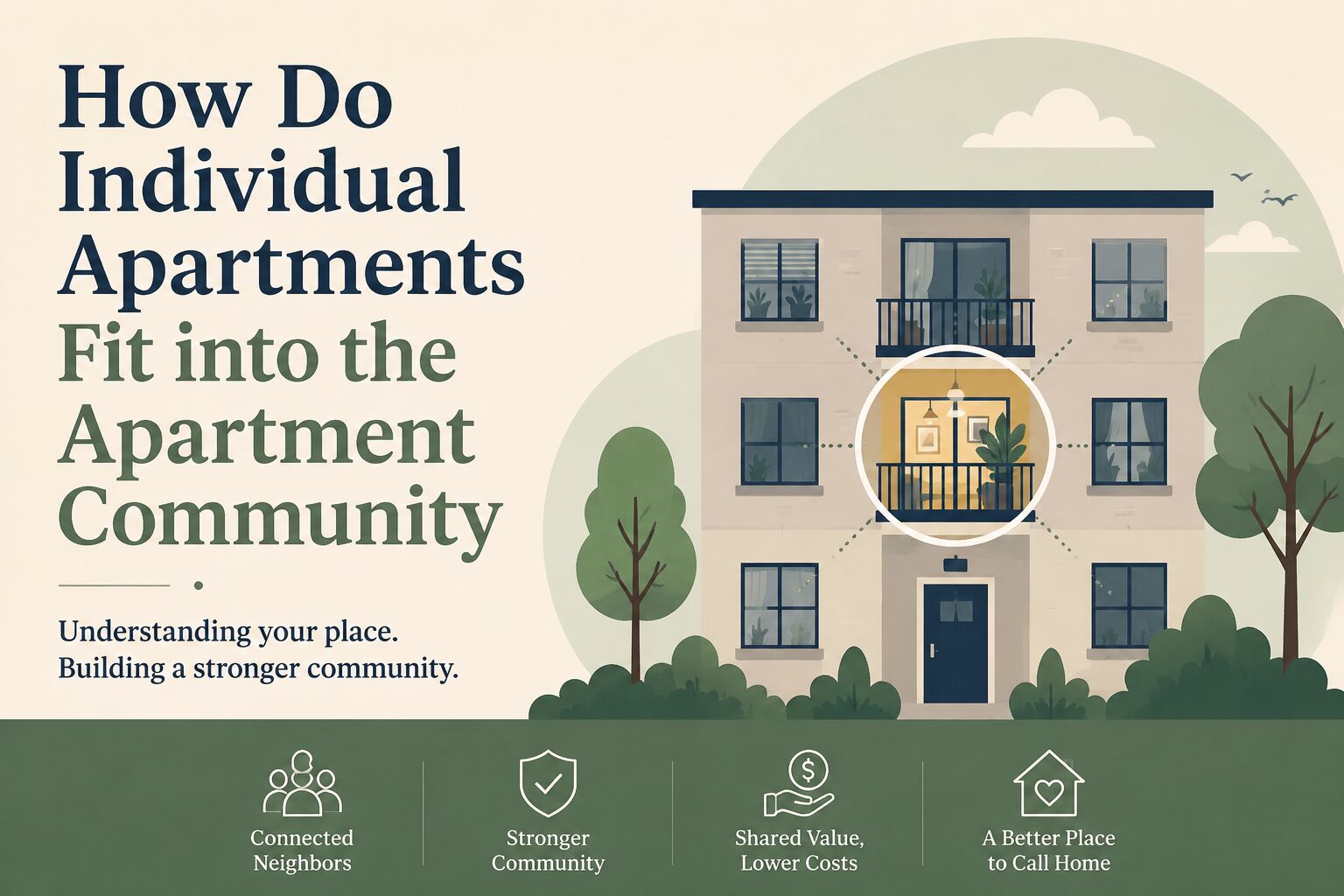
The apartment you tour is only half the story. Sometimes less. That one unit can look perfect, then you move in and realize the building has a weird vibe. Or the parking situation is chaos. Or your neighbor’s hobby is drum practice at 11:30 p.m. Ask me how I know.
When we help renters through Rental Secrets, we treat the unit like a “sample.” Useful, sure. But you’re really buying into a whole little ecosystem. The community rules, the maintenance crew, the resident mix, the sound travel, the trash routine. It all lands on your monthly budget and your stress level.
The unit is a product. The community is the warranty.
Look, most tours are staged to make the unit feel like the star. Fresh paint. Lights on. Maybe even that fake cookie smell. And the leasing agent’s energy is locked in.
But the community is what you’ll live with on a random Tuesday. Not the staged Tuesday.
What you’re really paying for
When I work with clients on this, the first thing I check isn’t the countertop. It’s the operational stuff. Because that’s where surprises happen.
Here’s what tends to hide in plain sight:
- Management responsiveness (repair tickets aren’t just “a thing,” they’re your time)
- Noise patterns (who’s above you, where the gym sits, where trash trucks idle)
- Security habits (entry gates that “sometimes work” are basically decoration)
- Shared spaces (laundry rooms, mailrooms, elevators, trash chutes)
- Community culture (quiet building vs. social building vs. party building)
And yes, this hits your money. If maintenance is slow, you end up buying space heaters, fans, dehumidifiers, extra locks. Little “temporary” fixes that add up.
What renters miss when they focus only on finishes
I used to think the unit condition told you everything. Turns out that’s wrong. A shiny unit can sit inside a messy operation.
So, when you’re doing a tour, use the unit to ask community questions. Like: “Who do I call after hours?” “How do packages work?” “How often do you tow?” Those answers reveal a lot. And if you want a broader walkthrough of how we structure tours for negotiating power, our rental property tour guide for budget-smart renters lays out the whole approach.
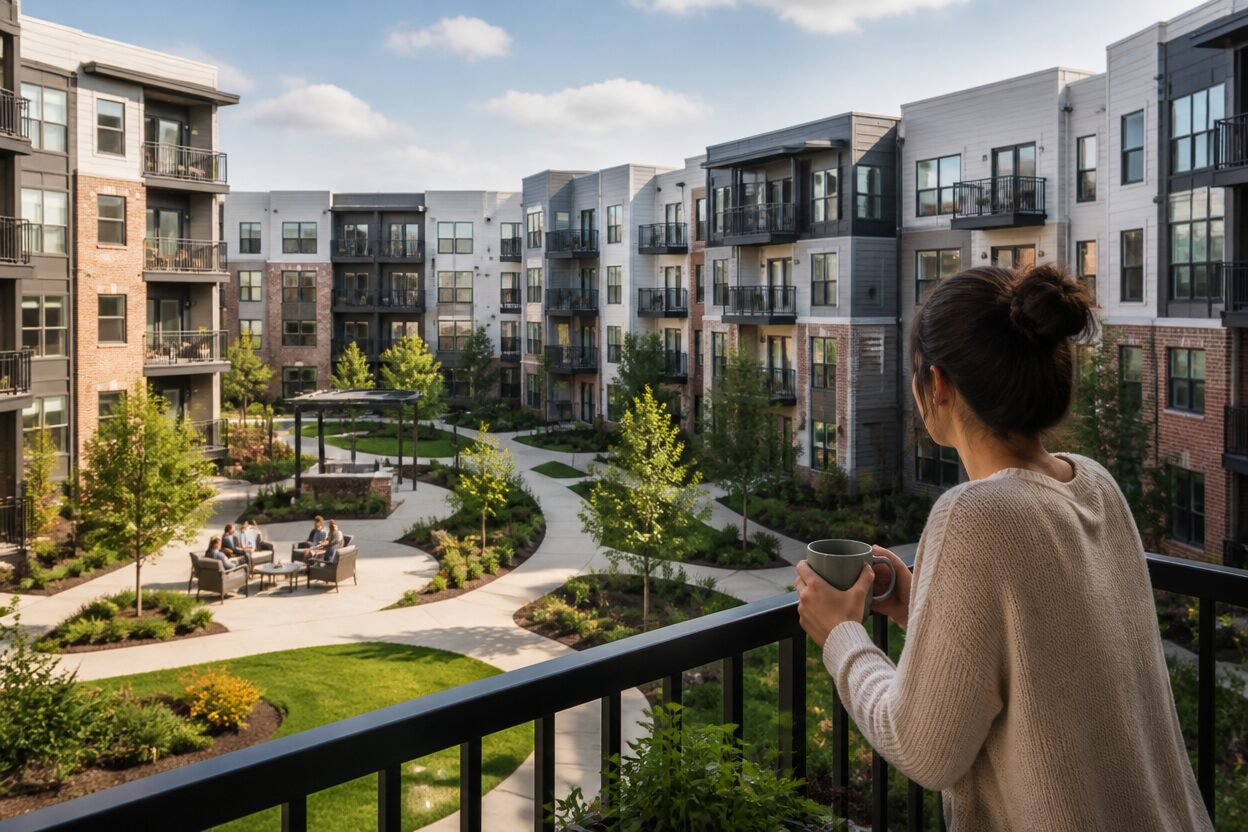
Location inside the building changes the deal
Same floorplan. Same rent. Totally different experience.
It’s not dramatic. It’s just physics, people, and building design. And sometimes it’s the difference between “I can live here for two years” and “I’m breaking the lease at month five.”
Micro-location is where comfort lives
Here are examples we see over and over:
Near the elevator. Convenient. Also more foot traffic. More door slams. More “hey can you buzz me in?” moments.
Above the garage gate. Great until you hear it. That grinding motor. Early mornings. Late nights.
Facing the pool. Pretty. Then summer hits. And you learn what “quiet hours” really means in practice.

Over the trash room. You might smell nothing during a 2 p.m. tour. Come back at 7 a.m. on pickup day. Different story.
How to turn that into rent leverage
Real talk: buildings know which units have drawbacks. They just don’t lead with it. But they price around it when they have to.
So bring it up calmly. Not like an accusation. More like you’re comparing options like a normal adult.
“We like this one, but it’s right by the elevator. If we take it, can you help us on price?” That kind of line.
In our experience, this works best when vacancy is up, when the unit’s been sitting, or when you’re flexible on move-in timing. Won’t work every time. Some buildings are stubborn. But it’s one of the cleaner negotiation angles because it’s factual. You’re not saying the place is bad. You’re saying the placement has trade-offs.
The neighbors and shared spaces are part of your lease, basically
Your lease is paper. Your day-to-day is people.
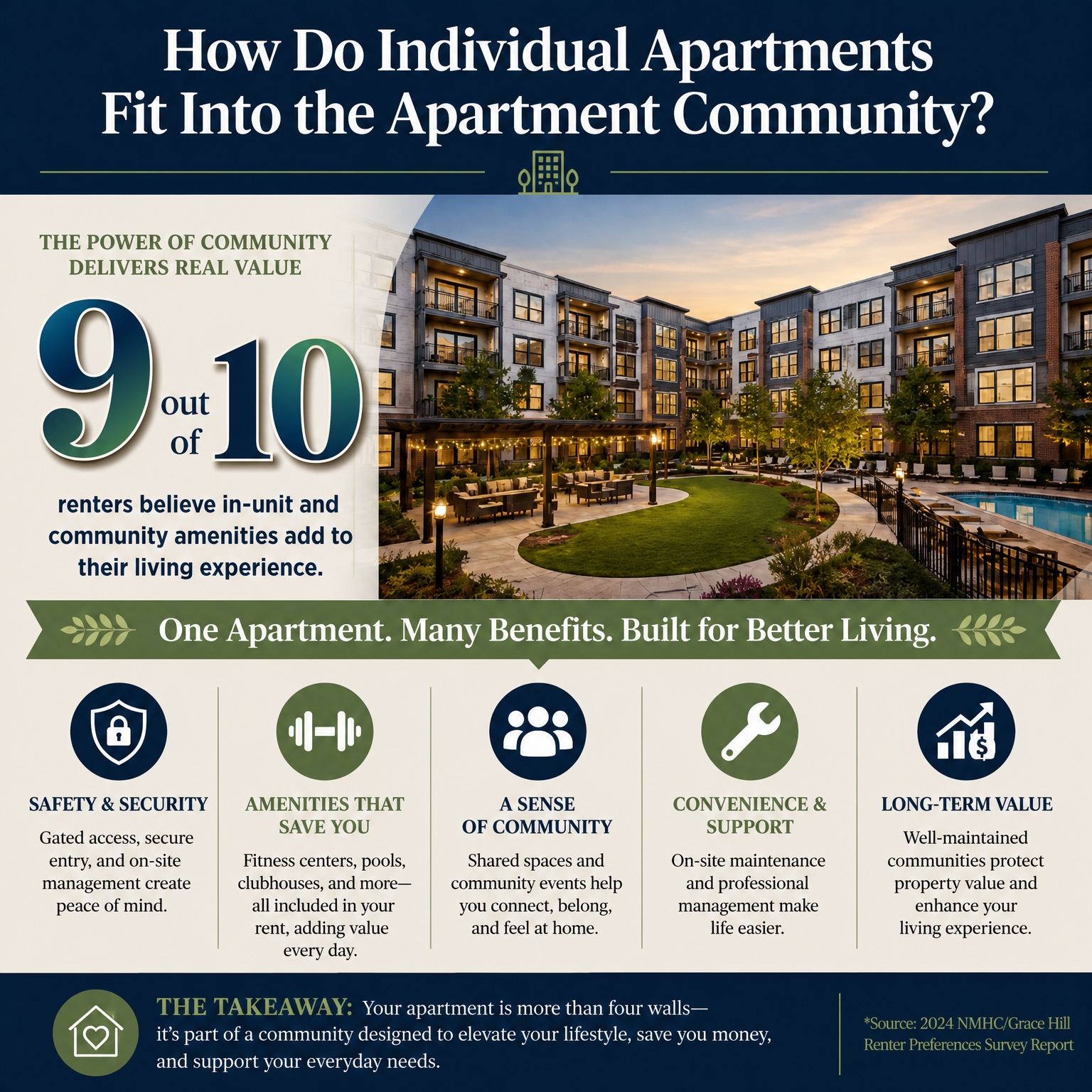
And shared spaces are where “community” becomes real fast. Hallways. Stairwells. Parking. Mailrooms. Dog runs. The little pinch points where everyone’s routines collide.
Do a mini-audit during the tour
Thing is, you don’t need a detective hat. Just look around like you actually live there.
When I’m walking a building with someone, I watch for:
Package area vibes. Is it organized? Overflowing? Are boxes ripped open? You learn a lot in 10 seconds.
Trash setup. If the trash area is nasty at 3 p.m. on a weekday, that’s not a one-off. That’s a pattern.
Parking behavior. Are spots clearly marked? Are cars double-parked? Do you see warning stickers? That tells you how enforcement works.
Noise clues. You can hear TVs through doors? You can smell cooking in the hallway? Those are building-envelope hints. Older buildings do this more. Some new ones too (cheap construction is timeless).
Quick conversations beat fancy questions
I’m not a fan of interrogating the leasing agent like it’s a courtroom. You won’t get clean answers. You’ll get “we take that seriously.”
What actually works is casual: say hi to someone walking their dog. Ask, “How’s maintenance here?” People love giving real feedback. Keep it light. Don’t film them. Don’t be weird.
If you’re the landlord or property manager reading this, this is the part you can improve without huge capital spend. Clean shared spaces. Clear signage. Fast ticket response. Residents feel taken care of. Renewals get easier. Our team sees retention jump when operations stop feeling random.
For a deeper angle on why the tour is more than the unit itself, we also keep resources under why the property tour is more than just the apartment. It’s the same theme, from different sides.
Amenities look like perks. They’re also budget line items.
Amenities are sneaky. You see a gym and your brain goes, “Savings!”
Sometimes true. Sometimes you’re paying for a gym you’ll never use because it’s always full, the treadmill is broken, or it smells like old rubber and regret.
Ask who pays when things break
Here’s a detail renters forget to ask: who maintains the amenity and how fast? If the gym’s out for three months, do fees change? Usually no.
Same with pools, grills, coworking rooms. And don’t forget parking. Reserved spots, garages, gate fobs. Those add-ons can swing your real monthly cost a lot.
Amenity fees are rent by another name
Honestly, a “$75 amenity package” is rent with a different haircut. That matters when you’re negotiating. We’ve had clients win concessions by treating fees as part of the total payment. Because that’s what they are. Your bank account doesn’t care what the line item is called.
Try language like: “Our target monthly all-in cost is X. With fees, we’re over. What can you do to get us there?”
Some properties will discount base rent. Some will waive admin. Some will offer a month free. Not magic. Just math and timing.
FAQs for How do individual apartments fit into the apartment community
Should I tour multiple units in the same building?
Usually, yes. Even two is enough to reveal patterns. One by the elevator and one away from it. One facing the street and one facing the courtyard. You’ll feel the difference immediately. And you’ll negotiate better because you can say, “We prefer the quieter placement, but we’re open.” That flexibility is currency.
How do I spot a poorly managed community during a short tour?
Look for small operational cracks. Overflowing trash. Messy mailroom. Confusing signage. A leasing office that can’t answer basic process questions (like after-hours repairs). Also, watch the vibe when you ask about maintenance timelines. If you get fuzzy answers or jokes, that’s a signal. Not always. But often.
Your next step when a unit looks perfect
Don’t fall in love with the kitchen before you understand the community you’re joining. Walk the shared spaces. Listen for noise. Ask how problems get handled. Then decide.
And if your goal is lower rent without gambling on quality, that’s basically what we do at Rental Secrets. We help you tour like a buyer, not a window-shopper. Different energy. Better outcomes.
Disclaimer: This article does not constitute legal advice.