


Touring the neighborhood isn’t the “extra credit” part of an apartment hunt. It’s the part that saves you money. Or costs you money. Fast.
I’ve watched renters fall in love with a cute unit, sign a lease, then realize the real problem lives outside the front door. Noise. Parking tickets. Commute costs. A grocery desert. The rent was fine. The lifestyle costs weren’t.
And yeah, landlords and property managers, this applies to you too. When renters understand the area upfront, you get fewer complaints, fewer early move-outs, and less drama at renewal. Win-win.
The neighborhood is where the hidden costs live
Look, rent is only one line item. The neighborhood writes the rest of your budget.
Commute math hits harder than rent math
I used to treat commuting as “annoying but whatever.” Turns out it’s a quiet budget killer. Gas. Parking. Transit passes. Ubers when you miss the last train. Even your time (and yes, your sanity) starts turning into money.
When we work with clients at Rental Secrets, we’ll sometimes map two addresses side by side. Same rent. Different neighborhood. One is a 12-minute bike ride to work and groceries. The other is a 35-minute drive plus paid parking. Guess which one stays “affordable” after month two?
Safety and maintenance show up as fees
This bugs me because it’s not always obvious on a sunny Saturday tour.
Neighborhoods with sketchy parking situations or regular break-ins can push you into costs you didn’t plan for. Better locks. Cameras. Higher renters insurance. Replacing a stolen bike. Paying for off-street parking because your street spot feels risky at night.
And if the block tends to have trash overflow, broken sidewalks, or constant street construction, that’s not just vibes. That’s “I’m ordering delivery again because walking to get groceries is miserable.” Delivery adds up. Quickly.

How we actually tour a neighborhood without wasting a whole weekend
Most people do one lap around the building and call it a day. That’s like test-driving a car by sitting in it.
Do two visits and make them inconvenient
Here’s what I do. I show up once at a “nice” time. And once at a time that’s more real.
- Weekday morning (trash pickup, school drop-off traffic)
- Weekday evening (parking competition, noise, lighting)
- Late-ish night (not 2 a.m., just when normal people are home)
- Right after it rains (puddles, drainage, that basement smell)
- During a local event day (street closures, crowd noise)
You don’t have to do all of those. Two is usually enough. But pick times that stress-test the area.
Walk like you live there, not like you’re touring
Grab your phone and do the normal stuff. Walk to the closest bus stop. Walk to where you’d buy groceries. Find the nearest pharmacy. Stand at the corner and listen for five minutes. Seriously. Just stand there. It feels weird. Do it anyway.
Pay attention to little friction points. No crosswalks. Cars flying around blind corners. Sidewalks that vanish. That’s the stuff that turns “I’ll walk more” into “I guess I’ll drive.”
And don’t keep it all in your head. We tell renters to keep a simple tour notes doc. Two columns. “Cost risk” and “Quality of life.” Same thing, honestly.

What to look for that landlords won’t advertise
Landlords aren’t obligated to sell you on the block. They’re selling you the unit. So you’ve got to read the neighborhood yourself.
Noise patterns that won’t show up at 11 a.m.
Common one. You tour at 11 a.m. It’s peaceful. You sign. Then you learn there’s a nightly motorcycle meet-up at the gas station. Or a bar with a patio that “technically closes” at midnight but somehow doesn’t. Or a dog that barks like it’s on payroll.
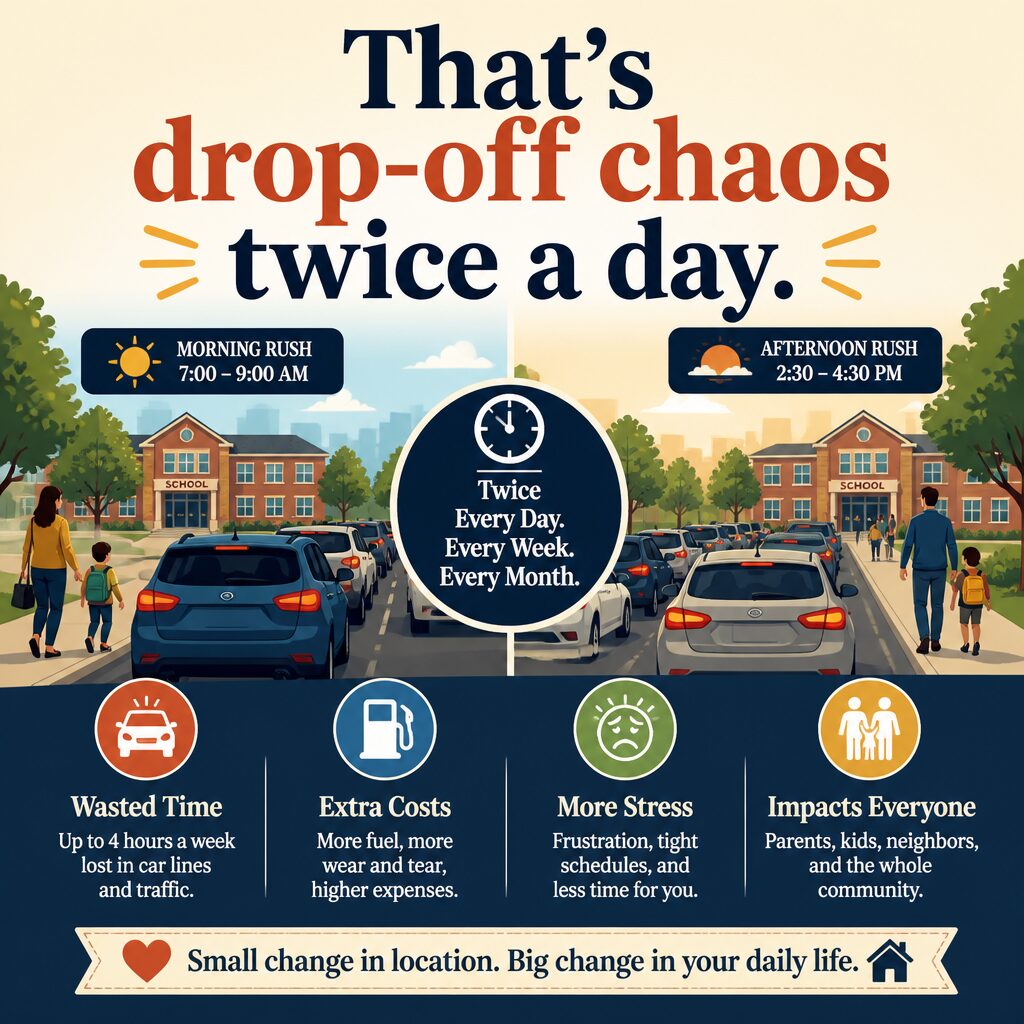
Quick trick. Look for clues. Lots of takeout cups on the sidewalk near one business. That spot gets heavy foot traffic at night. A row of “Reserved for rideshare” signs. That’s a constant pickup lane. A school nearby. That’s drop-off chaos twice a day.
Parking reality and ticket risk
Parking is rarely neutral. It’s either easy or it’s a recurring problem that drains your wallet in little bites.
Check signage. Read it like a lawyer. Street sweeping days. Permit zones. Two-hour limits. Tow warnings that look old (that’s not comforting). And if you have a car, don’t accept vague answers like “people usually find a spot.” Usually isn’t a plan.
Property managers, small note: if you’re transparent about parking, renters trust you more. This part is so often oversold that honesty stands out.
Use neighborhood intel to negotiate rent like a grown-up
Real talk: neighborhood scouting isn’t only about avoiding bad surprises. It’s also negotiation fuel.
Turn issues into concessions without sounding dramatic
When we coach renters at Rental Secrets, we focus on calm, specific points. Not “the area feels unsafe.” That makes people defensive. Instead, you say what you observed and what it costs you.
Examples that tend to land:
“Parking looks tight at 7 p.m. I’d need to rent a monthly spot. If we can’t adjust rent, can you include parking or knock $X off?”
“The nearest grocery option is a 25-minute walk. I’ll likely spend more on delivery. If you’re firm on rent, can we do a longer lease with a smaller increase clause?”
“It’s directly on a busy street. We like the unit, but we’d want upgraded window seals or a rent adjustment.”
And yeah, sometimes the answer is no. But you’d be surprised how often a landlord will move a little when you’re concrete and not emotional.
Know when to walk, even if the unit is cute
I had a client last month who loved a renovated one-bedroom. Great kitchen. Pretty floors. The neighborhood tour was the dealbreaker. No streetlights on the walk from transit. A “shortcut” path everyone warned against. She was about to sign anyway because she felt she’d lose it.
We ran the numbers. She would’ve spent extra on rideshares at night, plus a paid lot. Suddenly that “good deal” was more expensive than a slightly higher-rent place in a better spot. She walked. Two weeks later she found a unit with higher rent but lower total monthly cost.
If you want the full playbook on negotiation timing and what to say, our guide to touring rentals and negotiating rent the smart way lays it out in plain language.
Landlords and managers can make neighborhood tours a trust-builder
If you manage property, you can either treat neighborhood questions as annoying. Or you can treat them as retention strategy. We’re biased. We like the second option.
Give renters the real map
Not a glossy brochure. A real one.
Point out where people actually park. Which entrance is safest at night. When trash pickup happens. Where the closest laundromat is if laundry is shared and always full (you know it is). Where package theft tends to happen and what you’ve done about it.
Here’s what happens when you do that. The tenant moves in with eyes open. Fewer “you never told me” moments. Less resentment.
Stop overselling and start matching
Some renters need quiet. Some want nightlife. Families care about routes to school and parks. Students care about late-night transit. When you help people self-select, you get better matches. Better matches renew.
We talk a lot about this on our why the property tour matters beyond the apartment page. The unit is only part of the promise. The neighborhood is the rest.
FAQs for The value of touring the neighborhood
How long should I spend touring the neighborhood?
Usually 30 to 60 minutes per visit is enough if you’re intentional. Do two visits at different times. Walk one practical route (transit to door, door to groceries). Sit somewhere for five minutes and listen. That’s the part most people skip.
What if I’m moving from out of town and can’t tour in person?
Get someone else’s feet on the ground. A friend, a coworker, even a paid local runner if you have to. Ask them to do a video walk at dusk and show parking. And ask for the awkward stuff. “Would you feel fine walking here alone at night?” “How’s the noise with windows open?”
And if nobody can go, narrow choices to buildings with strong management reputations and clear policies. It won’t replace a tour. But it cuts risk.
Your next step before you fall in love with the unit
Tour the neighborhood like you’re already paying for it. Because you will be. With money, time, and stress.
Do two visits. Ask sharper questions. Take notes. Then use what you learned to negotiate, or to walk away cleanly. That’s how budget-smart renters stay budget-smart.
Disclaimer: This article does not constitute legal advice.