

Usually? Rental application screening takes 1 to 3 business days. But I’ve seen it clear in 15 minutes. And I’ve watched it drag out for 10+ days because one tiny thing got stuck. A name mismatch. A landlord on vacation. A background check vendor having a bad Monday.
So, what’s normal? What’s a red flag? And what can you do to make it move faster without sounding pushy. Let’s talk like real people.
The real timeline most renters experience
Fast approvals happen more than you think
When everything lines up, screening is quick. Like, shockingly quick. We’ve had renters using our Rental Secrets approach (tight paperwork, clean narrative, strong positioning) get an approval the same afternoon. It usually happens when the property manager is running screening in batches, the applicant file is complete, and the screening tool is automated.
Here’s what “fast” tends to look like in the wild.
- Same-day: application is complete, identity checks pass, employer answers right away
- 1 business day: background and credit come back overnight, landlord references respond
- 2 to 3 business days: someone has to manually confirm income or prior housing
- 5+ business days: follow-ups, missing docs, management backlog, or a weird mismatch
Long delays aren’t always personal
Look, renters assume “they don’t like me.” Sometimes it’s true. Often it’s not. A lot of delays are just operational slop. Someone’s inbox is overflowing. The leasing agent is covering for a coworker. The screening company flagged your file for a manual review because your address history is messy (college renters, I’m looking at you).
And landlords. If you’re reading this. A slow timeline costs you too. Good applicants bail. They sign somewhere else. Then you’re left picking between whoever’s still waiting around. Not ideal.

What actually happens during screening
Credit, background, and identity checks
Most properties run a bundle: credit report, criminal background check, eviction search, and identity verification. The automated parts often come back fast. Minutes to hours. But one hiccup can slow everything down.
I used to think credit was the slow part. Turns out it’s usually not. What slows things down is identity and address verification. Especially for renters with thin files. New grads. People who just moved states. Folks coming out of a breakup and switching addresses twice in six months. Real life stuff.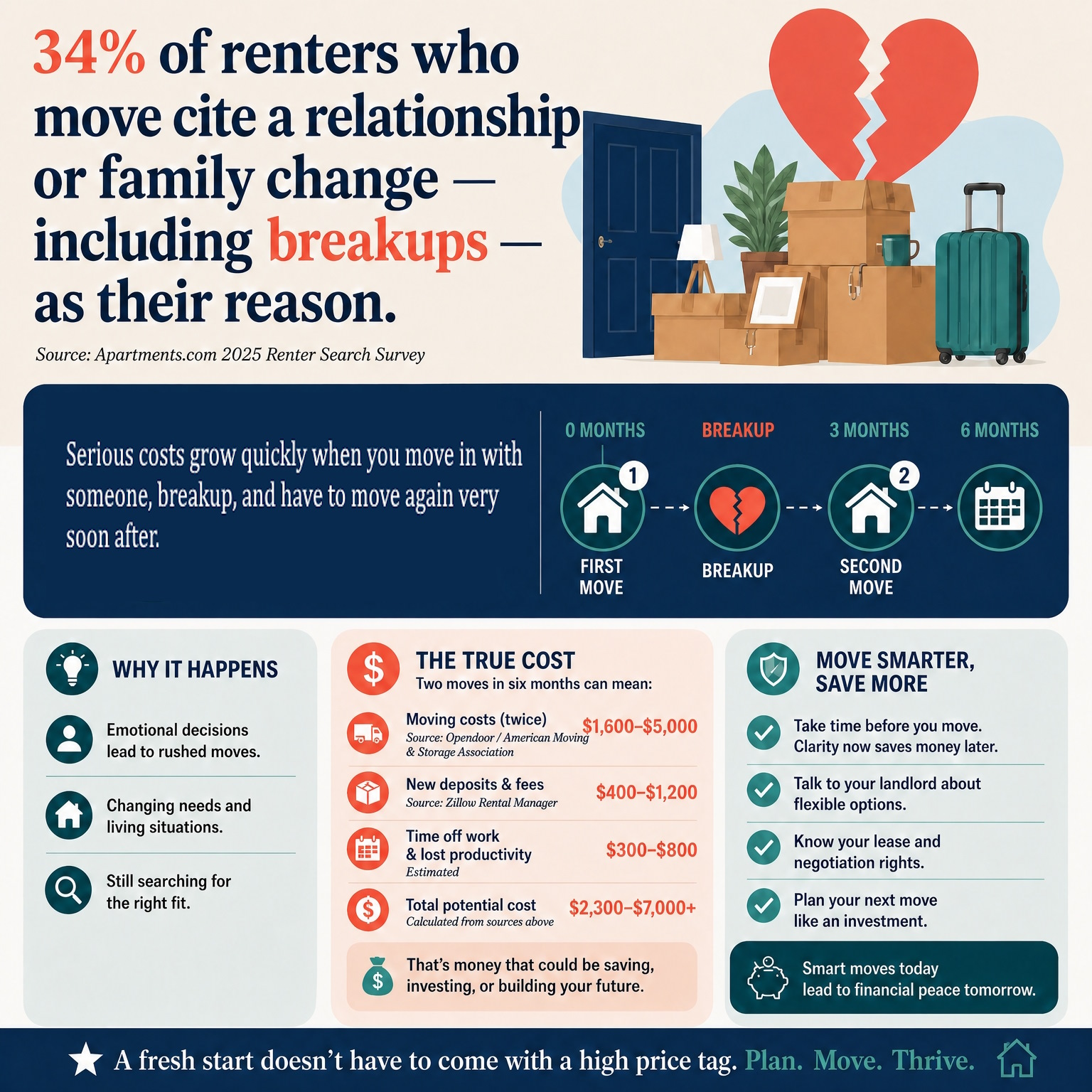
Income and housing history verification
This is where things get sticky. A human has to respond. Your employer. Your prior landlord. Sometimes your payroll provider. If your manager is in meetings all day, you’re waiting.
Here’s an insider detail. Some property managers won’t even start verification until they’ve got a full “stack” of applications to compare. It’s not always first-come, first-served. It’s “when we have enough to choose from.”
If you want the broader step-by-step process, we’ve got a breakdown on the rental application screening and approval process page. It helps you see what’s normal versus what’s someone stalling.
Why screening takes longer than it should
Missing or inconsistent info
This one hurts because it’s avoidable. And it’s common. The name on your paystub doesn’t match the name on the application. Your ID has an old address. Your W-2 shows a different employer than the one you listed. Or you typed your Social Security number wrong by one digit. That last one. Brutal.
I had a client who swore the property manager was ghosting them. We checked the application PDF. They transposed two numbers in their phone number. The manager actually tried to call. Kept getting some random guy who was very confused.
Backlogs and manual reviews
Peak season is chaos. Summer. First-week-of-the-month listings. College towns in August. Even a well-run office gets buried.
Manual reviews also pop up when something triggers a “needs eyes” flag. Common triggers:
Thin credit. Recent bankruptcy. Self-employed income. International renters without a US credit file. Or a prior eviction that shows up but was dismissed. (Those are the worst. Because they look scary until someone reads the details.)
Landlord decision lag
Small landlords can be slower than big management companies. Not always. But often. They’ve got a day job. They’re showing the unit after work. They’re also deciding emotionally, not just by a scorecard. That can add time.
Landlords, real talk. If you want better tenant relationships and fewer headaches, communicate your timeline. A simple message like “screening takes 48 hours, we’ll update you by Wednesday” reduces the anxious follow-up texts. And it makes you look put-together.
How to speed it up without annoying the landlord
Submit a clean, complete file
We recommend treating your application like you’re trying to get a loan. Not because renting is the same. It’s not. But because landlords love certainty. Certainty rents units.
Before you hit submit, do a quick self-audit:
IDs match your legal name. Income docs are recent. Contact info is correct. References have a heads-up and will answer unknown numbers. That last part is silly. And it matters.
Follow up with a specific nudge
Don’t do the “just checking in” thing three times. It reads like panic. Instead, send one message that helps them complete the file.
Something like:
“Hey! Wanted to make sure you have everything you need from us. If income verification is the hold-up, my payroll contact can confirm today. Want their email?”
That’s useful. It’s not needy. And it gently reminds them you’re paying attention.
We talk a lot at Rental Secrets about positioning. Not just “being qualified,” but looking easy to work with. That vibe can shave days off the back-and-forth. And yes, it can help when you’re negotiating too. If you want that angle, the main guide to rental housing applications for renters and landlords connects the dots between application strategy and getting better terms.
What to do if it’s taking too long
Know the difference between slow and shady
Slow screening happens. Shady behavior also happens. Here’s how it tends to feel.
Slow but normal: they respond, they give a time estimate, they ask for one specific item, they keep moving.
Shady: they keep pushing you to pay fees off-platform, they won’t provide basic info about the unit or lease, they won’t confirm receipt of your application, they pressure you to wire money “to hold it.”
If anything feels off, trust that. You’re not “being difficult.” You’re protecting your budget and your sanity.
Have a backup plan so you keep leverage
This is the part renters hate hearing. But it works. Don’t stop touring and applying just because one place is “pretty sure.” The second you put all your hope into one unit, your stress spikes. And your negotiating position drops.
We’ve seen renters get better deals simply because they weren’t desperate. They had another option. Even if it wasn’t perfect. That changes how you show up.
FAQs for How long does rental housing application screening take
Can a landlord approve someone else while my application is still being screened?
Yep. Some landlords process applications in the order received. Others pick the best overall applicant once they have a few. And some will approve the first person who meets their requirements and pays a holding deposit.
If you want clarity, ask directly: “Are you screening in order, or comparing multiple applications?” It’s a fair question. It also signals you’re organized. Weirdly powerful.
Does paying an application fee make screening faster?
Paying the fee usually just starts the process. It doesn’t guarantee speed. What speeds things up is having a complete file and fast-to-reach verifications. The fee is a gate, not a turbo button.
One exception. Some property managers will prioritize the first fully submitted, fully paid application because their software queues it that way. That’s not “faster screening.” That’s just you getting into line.
Your next move
Plan for 1 to 3 business days. But act like it could be same-day. Submit a clean file. Give references a heads-up. Send one helpful follow-up, not five anxious ones.
And if the timeline stretches out and you’re getting fuzzy answers, keep shopping. Protect your budget. Keep your options open. That’s how you stay calm. And how you stay in control.
Disclaimer: This article does not constitute legal advice.