
Rental applications can make or break your rent. Seriously. The right prep gets you approved faster. The wrong move gets you ghosted. And yeah, it feels personal. It usually isn’t.
We’ve helped renters land places with tighter budgets. We’ve also worked with landlords who just want a clean, low-drama renter. Both sides want the same thing more often than they admit. Speed. Clarity. Less risk.
What a rental application really is and what it is not
Look, a rental application isn’t a personality test. It’s a risk screen. Most property managers are trying to answer two questions: Will you pay? Will you take care of the place?
And they’re under pressure. Vacancies are expensive. Turnover is exhausting. When screening gets sloppy, it backfires.
Here’s what I tell friends. Treat the application like a mini business proposal. Not fancy. Just clean and credible.
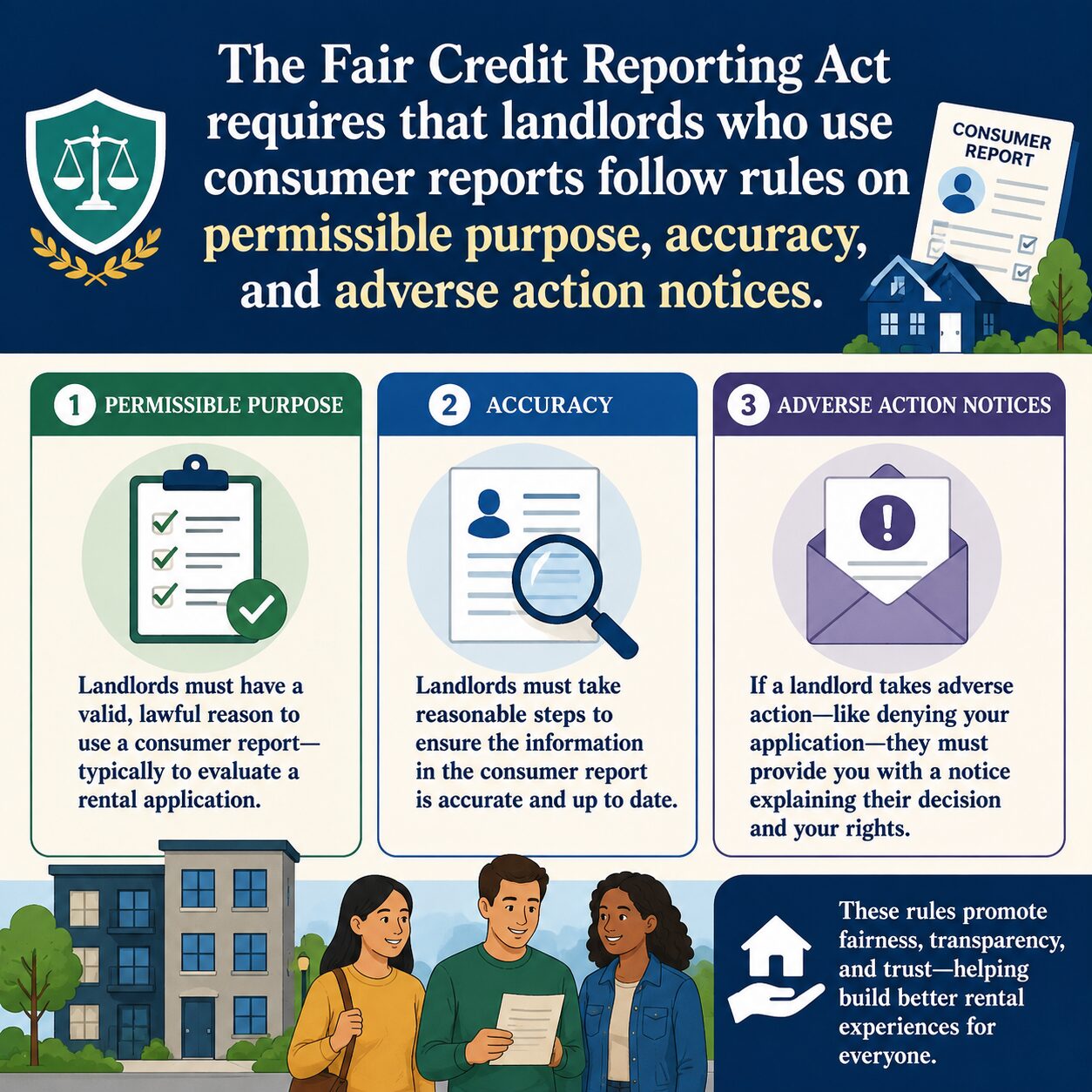
Screening is also more standardized than people think. The Fair Credit Reporting Act requires that landlords who use consumer reports follow rules on permissible purpose, accuracy, and adverse action notices. That’s why you’ll see similar forms and similar questions across different rentals.

What landlords and property managers typically check
Thing is, renters often over-focus on credit score and forget everything else. Landlords don’t. They look at the whole story. Sometimes in a weird order.
Income and employment
Most landlords are looking for income that can handle the rent without strain. Not because they’re mean. Because late payments introduce increased risk and create a time-suck for everyone.
A common benchmark is the rent-to-income rule. A widely used screening standard is that monthly gross income is at least 3 times the rent, also described as keeping rent at or below about 30% of gross income. Is it universal? Nope. But it’s common enough that you should assume it’s coming.
Credit and payment history
Credit isn’t just a number. It’s patterns. Collections. Late payments. Utility accounts. And sometimes medical debt muddies the water.
Here’s a stat that explains why landlords care. The CFPB has reported that about 1 in 5 people have an error on at least one of their credit reports that could affect scores. So when we coach renters, we tell them to pull reports early. Fix what you can. Explain what you can’t.
Background checks and prior housing
Background checks vary a lot by state and by building type. Some owners care mostly about violent offenses. Some have blanket policies (which can create fair housing problems, by the way). Prior evictions are often the biggest red flag.
And here’s where the timing matters. TransUnion has reported that tenant screening reports frequently include eviction records when available, and eviction filings can show up even when a tenant ultimately “wins” or the case is dismissed. That’s why we push renters to check their own public records when they can. Annoying. But better than being surprised.
The documents renters should prep before touring
So, you want lower rent. Or at least a better deal. You can’t negotiate from chaos. When your paperwork is ready, you move faster than the other applicants. That alone changes the game.
I once watched a qualified renter lose an apartment because they had to “go find” pay stubs. The landlord didn’t hate them. The landlord just had three other people ready that same day.
Your basic application packet
- Government ID
- Last 2 to 3 pay stubs (or offer letter)
- Bank statements if you’re self-employed or have variable income
- Landlord references with phone numbers
- Pet records (vaccines, license) if relevant
Want a nerdy detail? Offer letters help more than people think. The Society for Human Resource Management has repeatedly found that background and reference checks are used by a large majority of employers, and landlords often mirror that “verification culture” by relying on written proof like offer letters. Same logic. Different context.
Students and first-time renters
Students get stuck because they don’t have “history.” That’s normal. Bring structure instead.
- Enrollment verification
- Financial aid award letter (if you want to use it as proof)
- Co-signer details, ready to go
And yes, co-signers are common. National Multifamily Housing Council research has long shown student housing and near-campus rentals frequently rely on guarantors because many applicants have thin credit files. Landlords know this. Don’t apologize for it. Just be organized.
Self-employed and gig workers
This is where renters get frustrated. “I make enough.” Cool. Prove consistency.
- Last 2 years of tax returns (or 1099s)
- 3 to 6 months of bank statements
- A simple profit-and-loss summary
And a reality check. The Federal Reserve has reported that a meaningful share of U.S. adults have income that varies month to month, which makes traditional verification harder and pushes landlords to ask for more documentation. It’s not personal. They’re trying to manage their risk.
Fees, fraud, and the stuff that wastes everyone’s time
Real talk. Rental scams hit hardest when you’re stressed and rushed. Someone posts a “too good” listing. You panic. You send money. That’s the trap.

The FTC sees this constantly. The Federal Trade Commission has reported that reported losses to rental listing scams have risen in recent years, with many victims paying before seeing the property or meeting the landlord. That stat isn’t just trivia. It’s your reminder to slow down.
Also, application fees can add up. We’re not going to pretend they don’t. But you can reduce waste.
How to spot a scam fast
- They won’t show the unit. Not even a live video walkthrough.
- They push urgency. “Lots of interest, send it now.”
- They want payment by gift card, crypto, or wire in weird ways.
And here’s the thing landlords need to hear too. If your listing is vague and your process feels sketchy, good tenants will simply pass you by. Zillow’s consumer housing research has found that renters are more likely to request a tour or apply when listings include more complete details and photos, reducing friction and distrust.
How to answer common application questions without hurting yourself
Most people either overshare or freeze. Both can cause problems. You want to be honest. But you also want to provide just enough information to answer their question.
Why are you moving?
Keep it simple. “Closer to work.” “Need more space.” “Roommate situation changed.” You’re not writing a memoir.
Landlords care about stability. U.S. Census Bureau data shows renter mobility is meaningfully higher than homeowner mobility in a typical year, which is one reason landlords look for signals that a tenant will stay longer. Your answer can be a stability signal.
Have you ever been evicted?
Don’t lie. That’s the quickest way to get denied later. But don’t spiral either.
If it happened, explain in two or three sentences. What changed. What you’re doing now. Proof helps (payment plan records, a letter from a new employer).
Eviction filings are more common than people realize. The Eviction Lab has documented millions of eviction cases filed in the U.S. in recent years, and filings can occur even when tenants move out before a formal eviction is completed. Some landlords will still work with you. Especially with a larger deposit where legal. Or a co-signer.
Pets, roommates, and “extra occupants”
This is where people get cute. Please don’t. If you’re planning to have a partner move in later, ask about policies. If you have an emotional support animal (ESA), follow the correct process and paperwork. Don’t sneak anything.
For landlords. Clear policies prevent conflict. HUD guidance on assistance animals has clarified documentation expectations and limits, and inconsistent enforcement can increase fair housing complaints. Clean rules protect everybody.
Negotiation tactics that start inside the application
Now we’re talking. This is the Rental Secrets angle. We teach renters how landlords think. You don’t negotiate by asking for a favor. You negotiate by reducing perceived risk. And by showing you’re easy to work with.
Just asking for a discount” isn’t fine. Turns out it’s usually a dead end. Increase your odds of success by anchoring that request in market reality and tenant quality.
Make yourself the low-friction applicant
Low friction means fewer follow-ups. Faster verification. No guessing games.
- Submit a complete packet in one email or upload
- Provide references who will actually pick up
- Offer a longer lease term when it makes sense
Vacancy time is the enemy. Industry benchmarks tracked by multifamily research firms commonly show that even a few extra days of vacancy meaningfully impacts annual revenue performance, which is why speed and certainty can matter as much as price. That’s your opening.
Use market comps without sounding like a jerk
Pull 3 to 5 comparable listings. Same neighborhood. Similar size. Similar amenities. Bring printouts or links. Be calm.
Then ask: “If we sign this week, could you match this range?”
And yes, seasonality is real. Apartment List and other rental market trackers have repeatedly reported that rent growth tends to be stronger in spring and summer and softer in late fall and winter in many metros. If you’re hunting in a slower season, your negotiating position usually improves.
Negotiate terms, not just rent
Sometimes landlords won’t move on price. But they’ll move on something else because it doesn’t “hit the rent roll” the same way. Parking. Pet rent. A repaint. A carpet cleaning. Early move-in. Longer renewal options.
We cover these trade-offs inside Rental Secrets because they’re where real savings hide. Quietly.
Want the playbook we use with clients? Grab it here. Rental Secrets: see how landlords price and how renters negotiate.
Landlords and property managers: a better application process reduces turnover
Landlords, quick detour. When your application process feels random, good renters bounce. They assume the tenancy will be messy too. They’re not always wrong.
Make criteria clear and consistent
Publish your standards. Income multiple. Credit range (if you use one). Pet policy. Move-in timeline. Required documents.
Consistency also reduces legal risk. HUD and DOJ enforcement actions often focus on inconsistent screening and disparate treatment, and fair housing complaints number in the tens of thousands annually when you combine agency and private reports. Clear criteria helps you sleep.
Communicate the timeline like you mean it
Most renters aren’t trying to be a pain. They’re juggling work, kids, school, and movers. Tell them when you’ll decide. And stick to it.
Speed matters for retention too. NMHC surveys have shown that operational responsiveness is strongly tied to resident satisfaction, and satisfaction correlates with renewal intent in many property management datasets. You don’t need to be perfect. Just predictable.
Use adverse action notices correctly
If you deny someone based on a consumer report, you’re usually required to provide an adverse action notice with the reporting agency info. This is where small landlords trip up.
Again, that’s not optional. The FCRA sets adverse action requirements when decisions are based in whole or in part on consumer reports, including credit and tenant screening reports. Build it into your process.
Timeline: from first tour to approval without losing your mind
Here’s a realistic timeline we see over and over.
- Day 0: Tour. Ask screening criteria before you apply.
- Day 0 or 1: Submit full packet. Pay the application fee only after you’ve verified legitimacy.
- Day 1 to 3: Verification calls. Background and credit pull.
- Day 2 to 5: Approval, conditional approval, or denial.
Conditional approvals happen more than renters expect. Extra deposit. Co-signer. Shorter initial term. Proof of savings. That sort of thing.
Processing time is affected by how quickly third parties respond. Consumer reporting agencies commonly state that investigations of disputed credit report items can take up to 30 days under the FCRA, which is why last-minute fixes rarely help a pending rental decision. Prep early. It’s boring. It works.
FAQs for Guide to Rental Housing Applications for Renters and Landlords
Can a landlord deny me for a low credit score even if I have steady income?
Usually, yes. Many owners use minimum score policies. Some are flexible if the rest of your file is strong. We’ve seen approvals happen with a higher deposit where allowed, or a guarantor, or a shorter lease term. The move is to understand their criteria before paying any fee.
Do rental applications hurt your credit score?
Sometimes. It depends on whether the screening uses a soft inquiry or a hard inquiry. Many tenant screening pulls are soft, but not all. Ask before you authorize it. And keep a screenshot of what you were told.
What’s the fastest way to get approved when rentals are competitive?
Bring a complete packet. Apply right after the tour if you want the unit. And make your references easy to reach. Most delays are just unanswered phones and missing docs. Unsexy stuff.
Is it normal to pay an application fee before seeing the apartment?
I’m not a fan of that. Some legitimate buildings do pre-screening fees, but scams love this setup too. A safer pattern is: verify the address, see the unit or a live walkthrough, confirm who owns or manages it, then pay.
How do I negotiate rent without annoying the landlord?
Talk in facts. Market comps. Timing. Your move-in date. Your lease length. And your low-friction profile. This is basically what we teach at Rental Secrets. Reduce their risk. Make it easy to say yes.
Landlords: what’s one small change that improves tenant relationships fast?
Tell applicants your decision timeline and stick to it. Even a quick “we’ll decide by 6 pm tomorrow” reduces the anxious follow-ups. People can plan their lives. And they remember that at renewal time.
Your next move
Your application isn’t just paperwork. It’s your leverage. Get your documents tight. Ask for the criteria early. Use market comps like a grown-up. And don’t waste fees on listings that feel off.
When you want the behind-the-scenes version, the one that explains how pricing and screening decisions actually get made, that’s what we built Rental Secrets for. Start here: Rental Secrets negotiation strategies.
Disclaimer: This article does not constitute legal advice.