

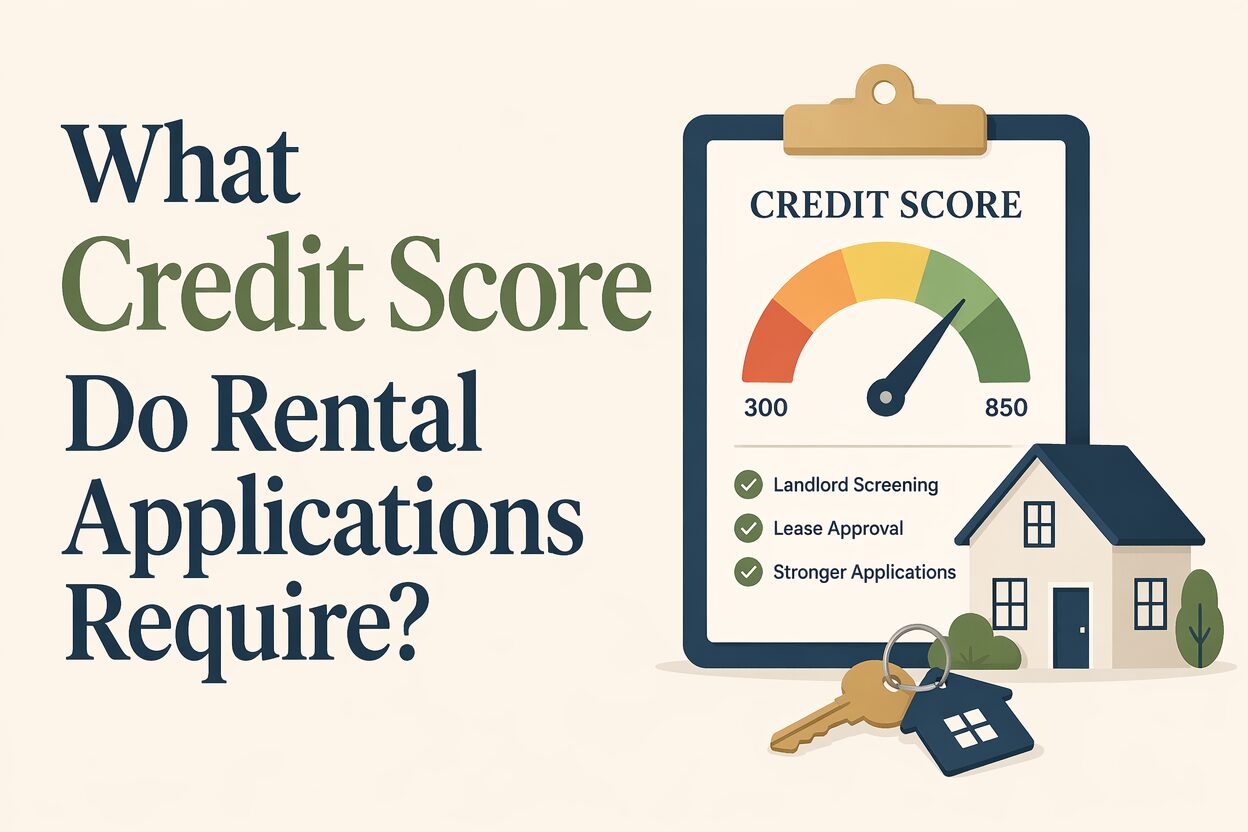
Most rental applications don’t have one magical credit score requirement. They have a vibe. A risk tolerance. And a landlord who’s trying to sleep at night knowing rent will hit their account on the first.
So what score do you “need”? Usually, you’re fine in the high 600s. Sometimes mid-600s works. Under that, it gets more case-by-case. And yes, we’ve seen 700+ applicants get rejected for stuff that had nothing to do with credit. It happens.
The credit score ranges landlords actually react to
Look, landlords don’t read a credit report like a bedtime story. Most of the time they scan. Fast. They’re hunting for problems. Late payments, collections, big balances, weird patterns.
In our experience at Rental Secrets, the “score number” is often just a shortcut for the real question. Will this person pay on time and not be a headache?
Most common cutoffs we run into
These aren’t laws. They’re trends.
- 720+: Usually easy approval (unless income or rental history is messy).
- 680 to 719: Typically solid. Might get a few questions, not a lot of drama.
- 620 to 679: Borderline for some buildings. Works more often with strong income and clean rental history.
- 580 to 619: Many landlords ask for a co-signer, bigger deposit, or extra documentation.
- Below 580: Not impossible. But you need a plan. And you need to expect “no” from plenty of places.
Why the same score gets different results
I’ve watched two applicants with a 660 get totally different outcomes. One got approved in a day. The other got ghosted.
The difference was context. One had stable income and a calm-looking credit report. The other had a fresh collection and a bunch of recent inquiries. Same score. Different story.

What landlords and property managers look at besides the score
Credit score is one input. It’s not the whole thing. And honestly, it bugs me when renters fixate on the number and ignore the stuff landlords actually argue about in their office.
If you want the bigger picture of how the application and screening flow works, our rental application screening and approval process overview breaks it down in plain language.
Debt-to-income and the monthly payment math
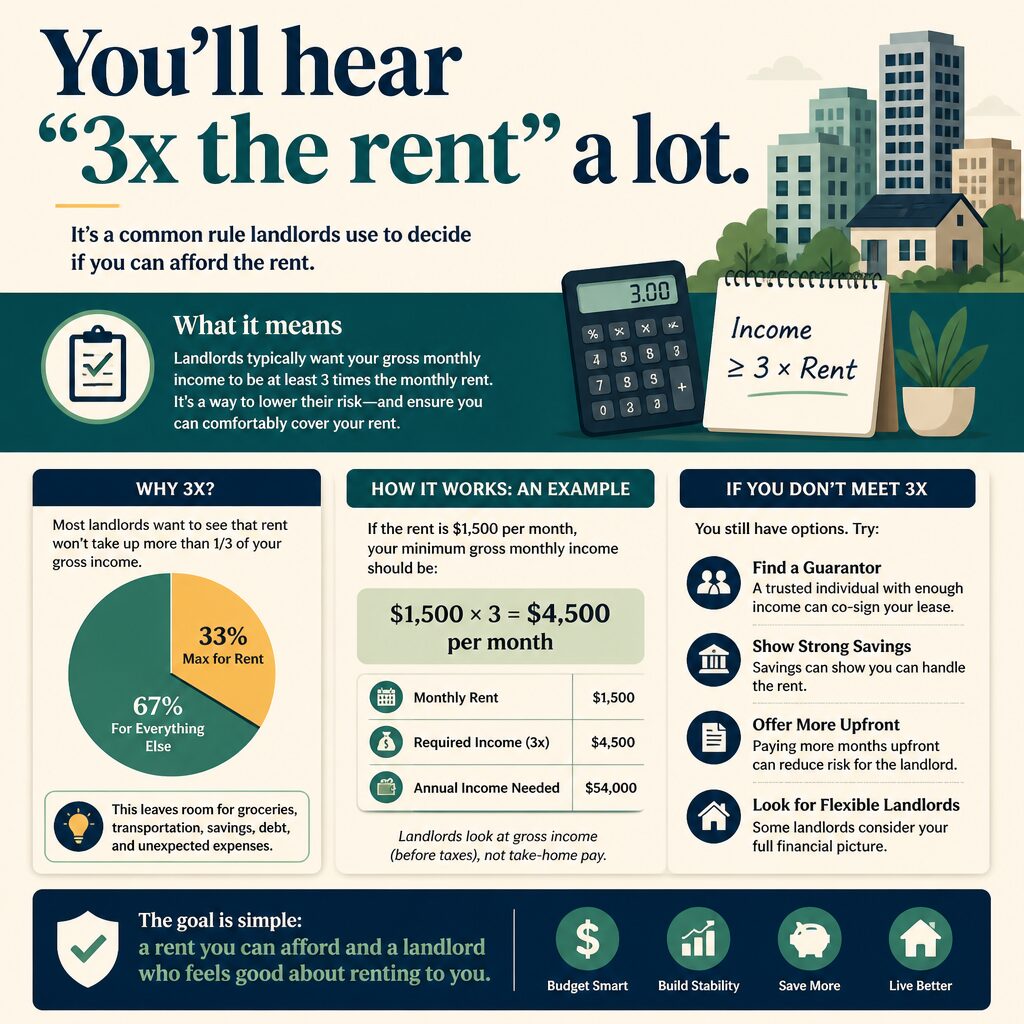
Landlords usually care about whether rent fits your budget. Not whether you’re a credit score genius.
Most places eyeball income-to-rent ratios. You’ll hear “3x the rent” a lot. But some owners are more flexible depending on the neighborhood, the season, and how many other applicants are in line. Yep. It’s that human.
Rental history and the landlord reference reality
Here’s what gets people rejected when their credit is fine. Bad rental history. Evictions. Owing a previous landlord money. Or just a reference that sounds annoyed.
Real talk: plenty of landlords trust rental history more than credit. Because it’s the closest thing to “will you pay rent” behavior.
Collections, charge-offs, and the stuff that spooks owners
Some credit issues hit harder than others.
A medical collection from two years ago? Many landlords shrug. A recent utility collection tied to an old apartment? That’s the one that makes an owner sit up straighter. Because it smells like a move-out mess.
And if your report shows repeated late payments in the last 12 months, even a decent score can feel shaky.
How credit score requirements change by market and property type
Same renter. Same score. Different city. Totally different outcome.
I used to think landlords everywhere wanted the same standards. Turns out that was naive. After years of this, the pattern is clear. Tight markets get picky. Slow markets get flexible. It’s not personal. It’s supply and demand wearing a landlord costume.
Big corporate buildings versus small-time landlords
Corporate property management tends to follow policies. Sometimes they have hard minimums baked into software. You can be charming. Won’t matter.
Small landlords can be more negotiable. Also more emotional. That cuts both ways. They might give you a chance. Or they might say no because their cousin got burned once and now they’re jumpy.
Luxury units, student housing, and “starter” rentals
Luxury buildings often expect higher scores. Not because rich people are better. Because the landlord has more applicants who already meet that bar, so why take risk?
Student-focused rentals sometimes rely more on co-signers than on the student’s score. Starter rentals can be surprisingly strict too, depending on the owner’s past tenant experiences.
What to do if your score is under the typical requirement
Don’t panic. Seriously. We’ve helped people get approved with scores that looked rough on paper. The trick is giving the landlord a clean, believable story and making the risk feel managed.
Bring the “make it easy to say yes” package
When I work with clients on this, the first thing I check is how fast they can document stability. Landlords like stability. They like boring. Boring pays rent.
Consider showing:
Proof of income that’s easy to read (recent pay stubs, offer letter, bank statements if you’re freelance). And a short note. Not a novel. Just enough to explain any weirdness.
Use risk reducers that don’t wreck your budget
Some options cost money. Some cost pride. Pick your poison, but pick smart.
Co-signers help. Bigger deposits can help where legal. Prepaying a month or two sometimes helps. Not always allowed, and not always wise, but it can work.
And here’s a move we like at Rental Secrets: don’t just accept the first “no.” Ask what would make it a “yes.” Sounds simple. It’s weirdly rare. You’re turning a rejection into a negotiation.
When paying down debt helps and when it’s a waste of time
Quick credit boosts are tricky. Paying down revolving card balances can help faster than closing accounts or disputing everything in sight. I’ve seen renters go on a dispute spree and accidentally delay their approval because the report shows “in dispute” flags. Landlords hate uncertainty.
If you’re applying soon, focus on the moves that reduce utilization and prevent new late payments. Keep it calm.
How landlords can set fair credit expectations without losing great tenants
Landlords reading this, you’re not the villain for caring about credit. You’re protecting your property and your cash flow. But strict cutoffs can backfire. You can end up selecting for people who look good on paper and then create chaos in real life.
Use a score as a signal, not a hammer
Our team has seen owners reject perfectly good renters over a thin file. Young professionals. New grads. Folks who pay everything on debit. Low score or no score, but no actual bad behavior.
A more balanced approach is to weigh: income stability, rental references, and the recency of negative items. Recency matters a lot.
Tell applicants your standards up front
This saves everyone time. It also builds trust. A simple pre-screen message like “We typically look for 650+ with no recent evictions and verifiable income” stops unnecessary application fees and resentment.
And if you want the full renter and landlord perspective on how these applications play out, we keep an updated guide to rental housing applications for renters and landlords. We wrote it because the process is way more negotiable than people think.
FAQs for What credit score do rental applications require
Can I get approved with no credit score at all?
Yes. It happens a lot with students and younger renters. Usually you’ll need extra proof of income, a co-signer, or a larger deposit where allowed. Some landlords are totally fine with “no credit” as long as your income is stable and your rental references aren’t a disaster.
Does a landlord care more about the score or what’s on the report?
Most care about the report details once the score is in a gray zone. A 640 with clean recent history can beat a 690 with fresh delinquencies. What’s recent tends to do the real work here.
Your next move before you apply
Pick the right target. That’s half the battle. If your score is shaky, don’t waste application fees on places that are obviously strict.
Pull your reports. Scan for landmines. Then walk into the application with a plan and a simple explanation ready. We do this every day at Rental Secrets. When you frame the risk properly, approvals get a lot less mysterious.
Disclaimer: This article does not constitute legal advice.