
Most complaints don’t get ignored. They get sorted. Fast. Property managers are basically running a triage desk for a building, and your complaint lands in a system that has priorities, time clocks, and paper trails. That’s good news for you. If you know how they think, you can get your issue handled quicker. And sometimes you can even use the situation to negotiate better terms. Yeah. Really.
How property managers classify complaints in real life
Look, when you email “This is unacceptable,” a manager doesn’t hear your feelings. They hear: “What bucket does this go in?” Emergency. Habitability. Maintenance. Neighbor conflict. Lease violation. Customer service noise. That last one sounds rude. But it’s how the workload gets controlled.
When I work with clients on this, the first thing I check is the category. Not the drama. If you label it wrong, it sits. If you label it right, it moves.
Emergency vs urgent vs annoying
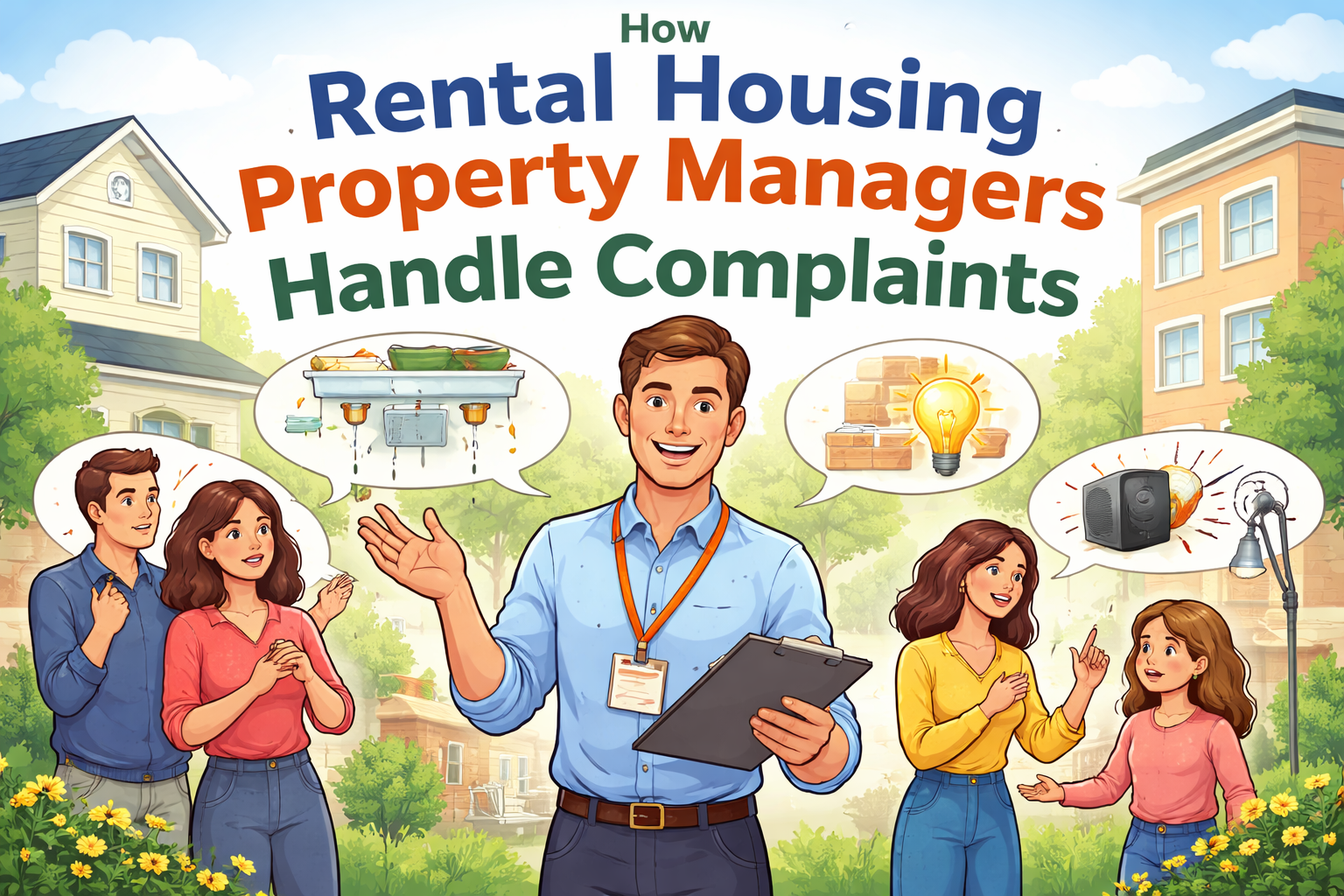
Emergency means life safety or serious property damage. Think active leak, no heat in a cold snap, gas smell, sparking outlet, broken exterior door that won’t lock. Managers tend to have a “drop everything” protocol for this. They also tend to call vendors they already trust. They don’t bargain-shop at 11 p.m.
Urgent is “needs attention soon” but nobody’s in immediate danger. Fridge died. AC failed during a hot week. Toilet won’t flush but you’ve got a second bathroom. That kind of stuff. These get queued. The queue is where time gets lost.
Annoying is real, but it’s the slow lane. Sticky closet door. Cracked tile. One burner on the stove that’s moody. These are the ones you’ve got to package well. More on that in a second.
Habitability triggers their legal radar
Habitability is the word that makes managers sit up straight. Heat. Hot water. Running water. Electricity. Pest infestation at a certain level. Mold in some cases (depends on the source and your state). If your complaint touches habitability, they document more. They’re thinking about inspection risk. And they’re thinking about you withholding rent, even if you never said that.
We aren’t telling you to threaten anyone. Threats backfire. But we do want you to describe the impact in plain, factual terms. “Bedroom has no heat. Thermostat set to 70. Room reading 58.” That hits different than “It’s freezing, and you don’t care.”

The complaint workflow managers actually follow
Most renters imagine a property manager reading their message and deciding what to do. Sometimes. Often it’s more mechanical. A ticket gets created. A priority is assigned. A vendor gets pinged. And then everyone waits on everyone.
I used to think “Just call them and be persistent.” Turns out persistence works best when it fits their process. Not when it fights it.
Tickets, timestamps, and the dreaded backlog
Property management software is built around tickets. Even smaller landlords copy the same idea with spreadsheets and texts. Tickets have timestamps. That matters because managers get judged on response time. Not perfection. Response time.
So the first win is getting a real response that counts as “contact.” The second win is getting the work scheduled. Those are different steps, and renters mix them up.
Vendors control the pace more than you think
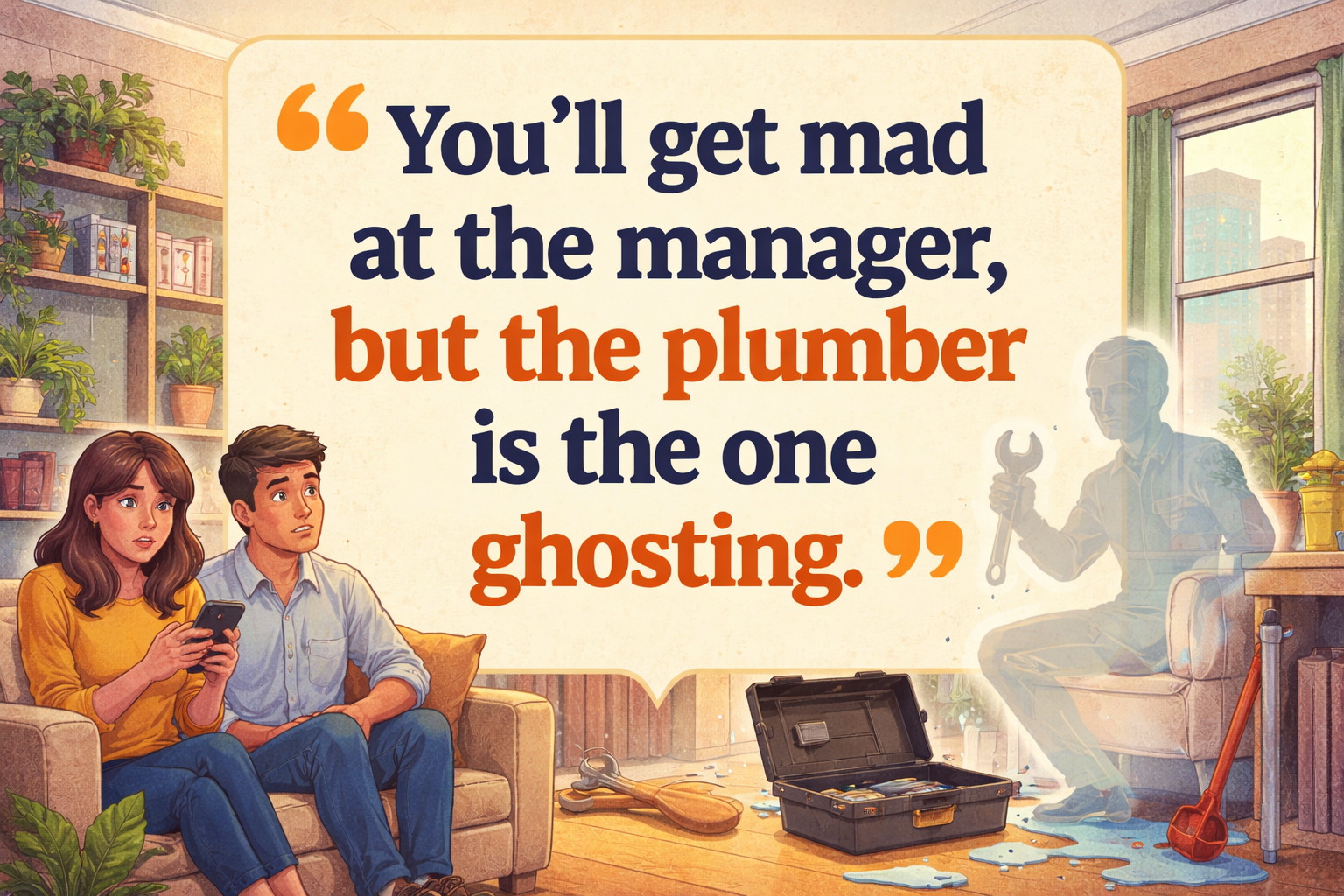
Here’s the disconnect. You’ll get mad at the manager, but the plumber is the one ghosting. Or the vendor is booked for a week. Or they’ll only come between 9 and 5, and you’re at work.
Managers pick vendors based on reliability and price. Sometimes it’s whoever answers the phone. If you want speed, help them help you. Offer access windows. Approve entry with notice. Send photos so the vendor brings the right part. Little stuff. It cuts days off the repair timeline.
And if you’re trying to understand the bigger relationship side of this, we keep a lot of that thinking in our landlord and tenant communication resources. That’s the stuff that prevents small issues from turning into lease-ending grudges.
What gets a complaint handled faster without being a squeaky wheel
Real talk: being loud isn’t the same as being effective. Managers deal with loud all day. Loud blends in. Clear stands out.
Our team at Rental Secrets teaches renters to negotiate with logic and market reality. Complaints are the same. You’re making a case. Not performing outrage.
Write like you’re building a file
Assume your email might be read by a supervisor, an owner, or an attorney. That doesn’t mean you go stiff and formal. Just be clean.
- Subject line that names the issue and unit number
- One-sentence summary of what’s wrong
- Photos or a short video (date-stamped if your phone does that)
- What you’ve already tried, if anything
- Two or three time windows for access
Short. Skimmable. Managers love skimmable.
Use the right channel on purpose
Maintenance portal gets maintenance issues fixed. Email creates a record. Phone calls create urgency but not always a paper trail. Texts are hit-or-miss depending on the manager.
In my experience, the best combo is: submit the portal request, then send an email that says “Submitted request #12345 with photos.” That’s not annoying. That’s organized. It also stops the classic “We never received it” problem.
How managers handle neighbor and noise complaints
This is where renters feel the most ignored. Because you can’t “repair” a person. Managers are stuck doing investigation, documentation, and diplomacy. And sometimes they’re stuck with a lease that doesn’t let them act fast.
I had some clients, a young professional couple, early shifts; two of their neighbors across the courtyard were hosting late-night parties, disrupting their sleep. They simply wanted the manager to “make them stop.” But the manager needed evidence strong enough to prove the disruption and enforce the lease.
They need patterns, not one bad night
Most leases talk about “quiet enjoyment” and nuisance behavior, but enforcement usually requires repeated incidents. Managers tend to log complaints. They look for frequency. Time of day. Multiple units reporting the same thing.
What works: a simple log. Date. Start time. End time. What happened. How it affected you (couldn’t sleep, woke kids, couldn’t work). And yes, short audio clips can help. Don’t go full spy movie. Just enough to show it’s real.
They’ll try soft steps before hard steps
Managers usually start with warnings. Courtesy notices. “We’ve had reports…” Then they escalate to formal lease violation notices. Fines if the lease allows. Non-renewal. Eviction is the last stop, and it’s slow, expensive, and risky for them.
One exception. Serious threats or violence. That can jump the line.
Turning a complaint into a rent and lease conversation without making it weird
Here’s what most renters miss. Complaints create leverage. Not emotional leverage. Practical leverage. A manager’s job is retention and risk control. If a unit has recurring issues, turnover gets expensive. Vacancy. Make-ready costs. Leasing commissions. Time.
So yes, a complaint can become a negotiation. But you’ve got to time it right. And you’ve got to frame it like an adult.
When to ask for credits or concessions
Ask after the problem is documented. Ideally after you’ve been patient and cooperative. Credits are most reasonable when there’s measurable loss: no laundry room access, unusable bedroom, repeated interruptions, or a repair that took way longer than normal.
We’re not fans of random demands like “Give me $500 because I’m mad.” Managers can’t justify that to owners. But a targeted request? Different story. “Given the bedroom was unusable for 10 nights, can we apply a rent credit of X?” That’s a conversation.
How we position it at Rental Secrets
We tell renters to talk like a business partner. Calm. Specific. Market-aware. You can like your landlord and still negotiate. Honestly, that’s usually when negotiation works best.
And zooming out, if you’re trying to get better at this whole renter mindset shift, our renter and landlord negotiation main guide is where we put the bigger strategies. Not theory. Stuff we actually use with clients.
One more thing. Don’t wait until renewal week to bring up six months of unresolved problems. That’s when managers are busiest and least flexible. Bring it up while the story is fresh, and while there’s still time to fix the relationship.
FAQs for How rental housing property managers handle complaints
How long should I wait before I follow up on a maintenance complaint?
For emergencies, follow up immediately and use the after-hours line if you have one. For urgent issues, give it about 24 to 48 hours to get scheduled, not necessarily completed. For minor stuff, a week isn’t unusual. The move is to follow up with a simple note: “Checking status on request #12345. Any ETA for scheduling?” It’s polite. It also forces the ticket back onto someone’s screen.
Should I threaten to call the city or withhold rent to get faster action?
Usually no. It escalates the vibe fast, and it can make a manager defensive even when they were willing to help. Start with documentation and clear impact. Ask for a timeline. If it’s a true habitability issue and you’re getting nowhere, you can mention that you’re looking for next steps and want to avoid escalation. Keep it calm. And keep it in writing. That tends to get attention without turning it into a fight.
Disclaimer: This article does not constitute legal advice.