
Turnover is expensive. For landlords, it’s vacancy, cleaning, paint, advertising, screening, and the risk of picking the wrong next tenant. For you as a renter, it’s deposits, movers, application fees, the “surprise” rent jump at the new place, and losing time you don’t have.
So when landlords work to keep tenants longer, it’s not always because they’re warm and fuzzy. It’s math. And honestly? That’s good news for renters. You can negotiate with math.
At Rental Secrets, we spend a lot of time translating landlord decisions into plain English. Not to villainize anyone. To help you get lower rent and housing with less stress. Different vibe.
Vacancy is the landlord’s worst expense and your best negotiation angle
Here’s the thing. Most renters try to negotiate like it’s a customer service complaint. “I’ve been a good tenant.” “Prices are crazy.” That usually lands… nowhere.
Landlords think in gaps. A vacant unit is a bleeding wound. Even a short vacancy can wipe out months of profit, especially for smaller owners with one to ten units. Big operators hate vacancy too; they just track it in dashboards and call it “loss to lease.” Same pain. Different perspective.
What landlords do to prevent gaps
They start renewals early. Sometimes 90 to 120 days out. They offer a renewal option before you start apartment shopping. They’ll also time renovations for turnover windows so they don’t lose extra weeks.
And they’ll get weirdly responsive right before renewal season. You notice that leaky faucet suddenly matters? Yeah.
How you can use this without being a jerk
When we work with clients on this, the first thing we check is timing. Negotiation power spikes when your landlord is staring at a potential vacancy. So you talk renewal terms early. You don’t wait until the last two weeks. That’s when they’re already planning to list it.
Also. Don’t frame it as a threat. Frame it like planning.
“We like living here. We’re budgeting for next year now. If we can keep the renewal at $X, we’re ready to sign a 12-month today.”
Simple. Calm. And it hits the vacancy fear dead-on.
If you want the bigger renter playbook around this stuff, our rental housing guide for renters and landlords is where we keep the core strategy. It’s the foundation we teach from (and yes, landlords use pieces of it too).

Good maintenance is retention marketing even when nobody calls it that
Real talk: maintenance is where tenant relationships go to die. Or where they get locked in for years. It’s usually one of those.
I had a client who was ready to move over a slow-draining tub. That sounds dramatic. It wasn’t the tub. It was the three weeks of silence. They felt ignored. That’s what people move over.
Fast, predictable repairs keep people in place
Most landlords who retain tenants well do a few unsexy things:
- They acknowledge requests quickly. Even if the fix takes longer.
- They set a time window and stick to it. Or they reschedule early.
- They document work orders so nothing “disappears.”
- They use the same vendors so quality is consistent.
- They do preventative work between seasons. HVAC checks, gutter cleanouts, that kind of stuff.
Notice what’s missing. Fancy renovations. Tenants don’t need marble countertops. They need their heat to work when it’s 19 degrees outside.
Your renter move: trade certainty for value
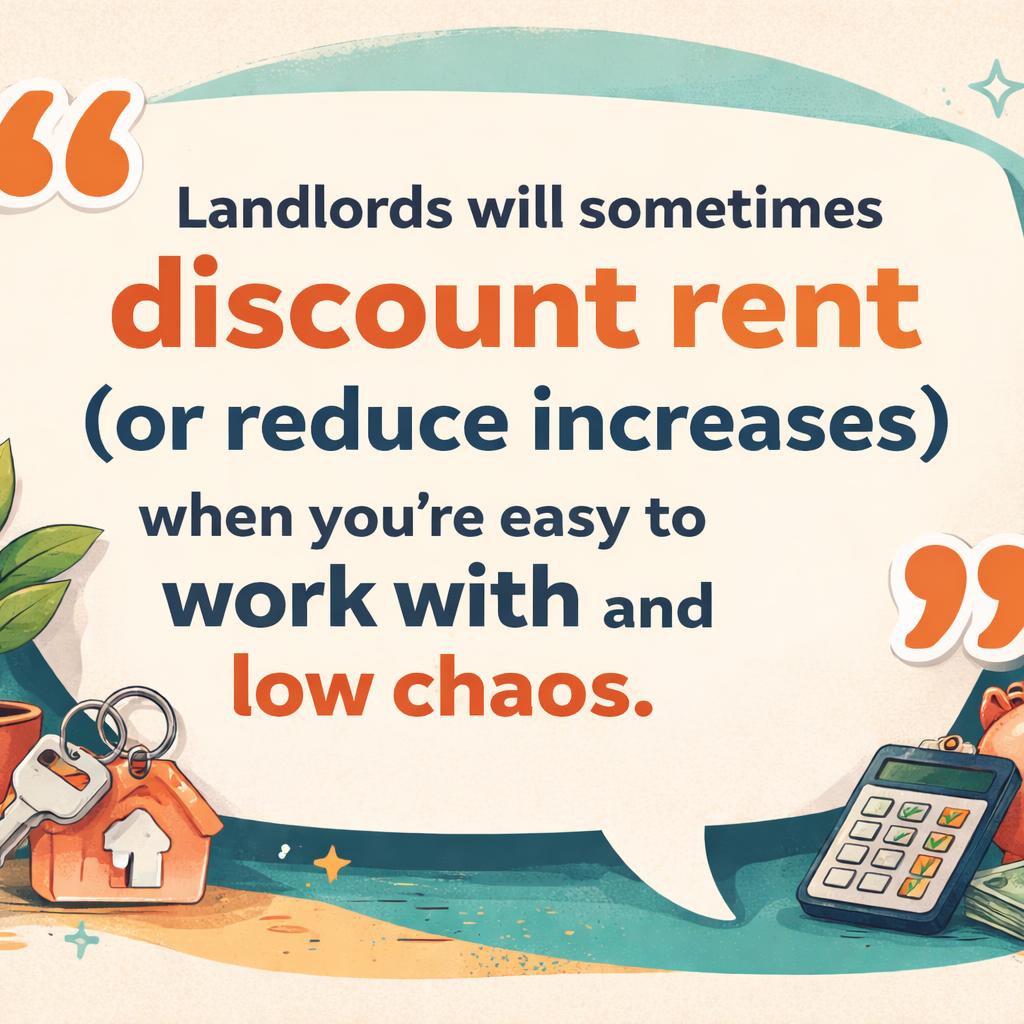
Here’s a negotiation angle most people miss. Landlords will sometimes discount rent (or reduce increases) when you’re easy to work with and low chaos.
So you can say, “We’ll renew early and we’re flexible on maintenance access with 24-hour notice. Can we keep the increase to $X?”
That’s not you “being nice.” That’s you offering something the landlord values: predictable operations.
One caveat. This won’t work if the property is already poorly managed and they’re drowning. In that case, flexibility doesn’t fix broken systems. You’re negotiating with a mess.
Rent increases are often about risk, not greed
Most renters think rent increases were mostly about squeezing tenants. Turns out, a lot of the time it’s about fear. Taxes go up. Insurance goes up. A roof suddenly becomes a problem. And landlords raise rent because it’s a lever they have to control the risks they face.
Do some landlords push it too far? Sure. But if you understand the why, you get more control over the conversation.
How smart landlords keep tenants without freezing rent
They keep increases smaller and more regular. They offer multi-year renewals with pre-set bumps. They include perks that don’t cost them much but feel valuable. Parking stability. Carpet cleaning. A fresh coat of paint. Replacing one annoying appliance.
And they’ll sometimes offer a “quiet discount.” Not advertised. Just a concession for a tenant they want to keep.
How you counter a rent hike the landlord thinks is reasonable
You come in with comps. Real ones. Not vibes. At Rental Secrets, we coach renters to bring market-based pricing into the room because it changes the tone immediately.
Try language like:
“We’ve been tracking comparable units nearby. We’re seeing $X to $Y for similar condition and amenities. We’d like to renew at $X. If that works, we can sign this week.”
That’s you speaking the landlord’s language. Numbers. Timelines. Reduced risk.
And look, if the landlord truly can’t move on price, pivot. Ask for something else that improves your budget. Longer lease at the same rate. A smaller increase with a longer term. Waived pet rent. Free parking. Even shifting due date to align with payday can reduce late fees and stress.
Communication habits that keep tenants from rage-quitting
Tenant turnover isn’t always about money. Sometimes it’s death by a thousand tiny annoyances. Random inspections. Vague emails. Surprise construction. A manager who acts like you’re a problem for existing.
Landlords who keep tenants tend to run communication like a decent workplace. Clear expectations. Consistent channels. No weird power trips.
What good landlord communication actually looks like
They give notice like adults. They explain why they need access. They set boundaries and respect yours too. They put policies in writing so you’re not guessing.
They also avoid “gotcha” lease enforcement. If you’re two days late once, they don’t start the eviction drumbeat. They talk to you. Most of the time that conversation keeps a paying tenant in place.
Your renter move: make it easy to say yes to you
Want to reduce housing costs? One underrated way is reducing friction. The landlord who likes dealing with you is more likely to offer softer renewal terms. Or at least not push the limit.
So keep your communication clean:
One email thread per issue. Photos attached. Dates included. A proposed solution when you have one. “We’re available Tuesday after 3 or Thursday morning.”
Not because you owe anyone perfection. Because it works.
If you want more on the relationship side of this, we keep related pieces in our landlord retention and communication resources. That’s where we talk scripts, timing, and how to get what you want without turning your home into a battlefield.
Retention perks that cost landlords little but matter a lot
Some of the best retention moves are tiny. They’re just timed well. And they respect that moving is brutal.
We’ve seen landlords keep solid tenants for years by doing stuff that’s… boring. But effective.
Small upgrades that prevent the moving day fantasy
Replacing the ancient dishwasher. Fixing the bedroom window that never opens. Adding a ceiling fan. Re-keying locks at renewal. Even just repainting one scuffed wall so the place feels cared for.
Tenants don’t always ask for these because they don’t want to seem demanding. Landlords who retain tenants notice the little frustrations and remove them before they become “We should start looking.”
How renters can ask for perks without sounding entitled
Tie the request to renewal. Keep it specific. And attach it to commitment.
“We’d love to renew for 18 months. One thing that would make it an easy yes is replacing the microwave. It’s been inconsistent. If you can swap it, we’re ready to sign.”
That sentence does a lot. It offers stability. It gives them a simple project. It avoids a messy emotional argument.
Landlord side note (because we work with property managers too). If you want retention, don’t guess what tenants value. Ask. One question on a renewal notice. “What one improvement would make you happiest next year?” You’ll get actionable answers. Cheap ones sometimes.
FAQs for How rental housing landlords reduce tenant turnover
When should I bring up renewal and rent negotiation?
Earlier than you think. Around 90 days before lease end is a sweet spot in many markets. You’re not springing it on them last minute, and they still have time to plan around vacancy. If you wait until the final month, they may already be lining up showings or budgeting for turnover work.
What’s the fastest way for a landlord to reduce turnover?
Fix maintenance response times. Not just speed, but predictability. Tenants can handle “We can come Friday.” They can’t handle silence and uncertainty. The second fast win is making renewals straightforward. Clear terms. Simple paperwork. No surprise fees showing up out of nowhere.
Disclaimer: This article does not constitute legal advice.