


Rental tours can feel chaotic fast. Keys missing. Lights off. Someone shows up 20 minutes early. Someone else texts “running late” while you’re standing in a hallway trying not to look annoyed. We’ve seen it all. And yes, a smooth tour helps landlords. But it also helps renters spot the truth faster (and negotiate better).
Prep like you actually want someone to live there
Look, most tours fall apart before anyone even arrives. The unit isn’t ready. The story isn’t straight. The landlord is winging it. Renters can tell. They always can.
Make the unit tour-ready, not just clean-ish
Vacuuming is nice. But “tour-ready” is a different thing. We mean everything works. And the place feels cared for. That’s what reduces drama later.
When I work with clients on this, the first thing I check is the stuff that embarrasses you mid-tour. The closet door that sticks. The kitchen faucet that squeals. The outlet that only works if you wiggle the plug. You know the ones.
- All lights on. Every bulb matches (no nightclub-blue in the bathroom)
- Windows unlocked and easy to open (yes, people test this)
- Flush the toilet twice. Seriously
- Thermostat set to a comfortable temp, not “landlord winter”
- One neutral scent max. No heavy sprays
Pre-answer the budget questions renters are already thinking
Cost-conscious renters walk in doing math. Students. Young professionals. Families with spreadsheets. They’re not just looking at the rent number. They’re thinking total monthly burn.
So have this ready without acting defensive: average utilities (range is fine), what internet options exist, parking costs, pet fees, and what deposits look like. Say it plainly. If you try to bury fees, the relationship starts weird. And renters who feel weird negotiate harder. Or walk.

Schedule tours like a normal person, not a scavenger hunt
Thing is, your scheduling system is part of the tour. If it’s confusing, renters assume the rest of the experience will be confusing too. Maintenance. Lease renewals. Getting an answer when the heater dies. It all connects in their head.
Offer fewer windows, but make them real
I used to think offering lots of time slots was “customer service.” Turns out it’s a trap. You end up with half-commitments and no-shows. Most of the time, two or three well-chosen windows moves faster than ten vague options.
And for renters, this matters because uncertainty costs money. Taking time off work. Paying for childcare. Rearranging classes. They remember when a landlord wastes their time.
Confirm in a way that reduces flaking
We’re not fans of the “see you then” text and hope. Confirm with a short message that makes it easy to reply. Like: “Still good for 6:10? I’ll meet you at the front door. Text me when you’re 2 minutes out.”
Small detail. Big impact.
And if you’re doing self-showings, be even tighter. Clear instructions. One access method. A backup plan if the lockbox fails. I had a client last month show up to a place where the code didn’t work and the leasing contact went silent for 30 minutes. Guess what happened. They didn’t apply. They also told three friends.
Run the tour like a conversation, not a monologue
Honestly? A tour isn’t a performance. It’s a two-way screening. Renters are checking whether you’re reasonable. You’re checking whether they’re a good fit. That’s the whole thing.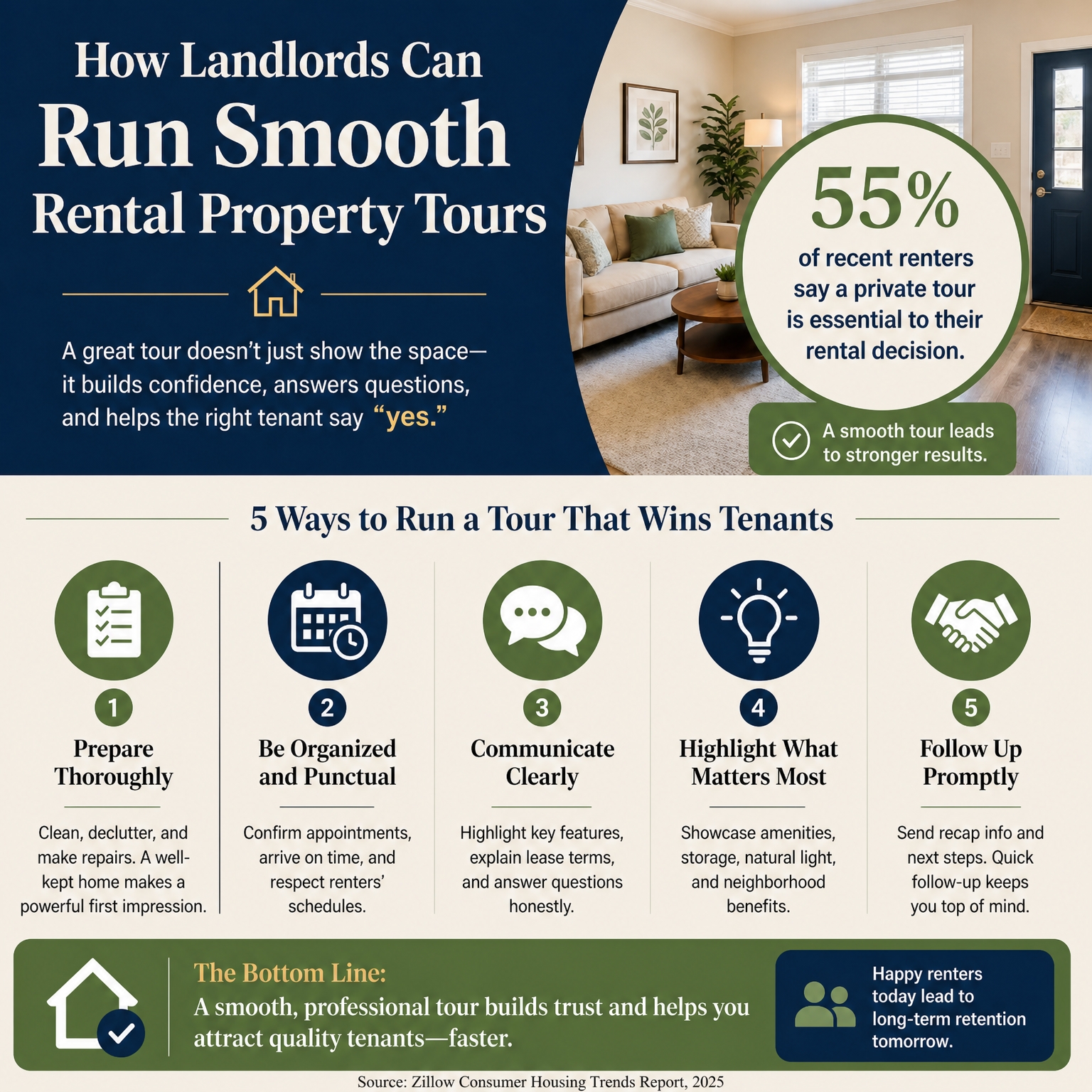
Start with the high-stakes stuff, not the cute stuff
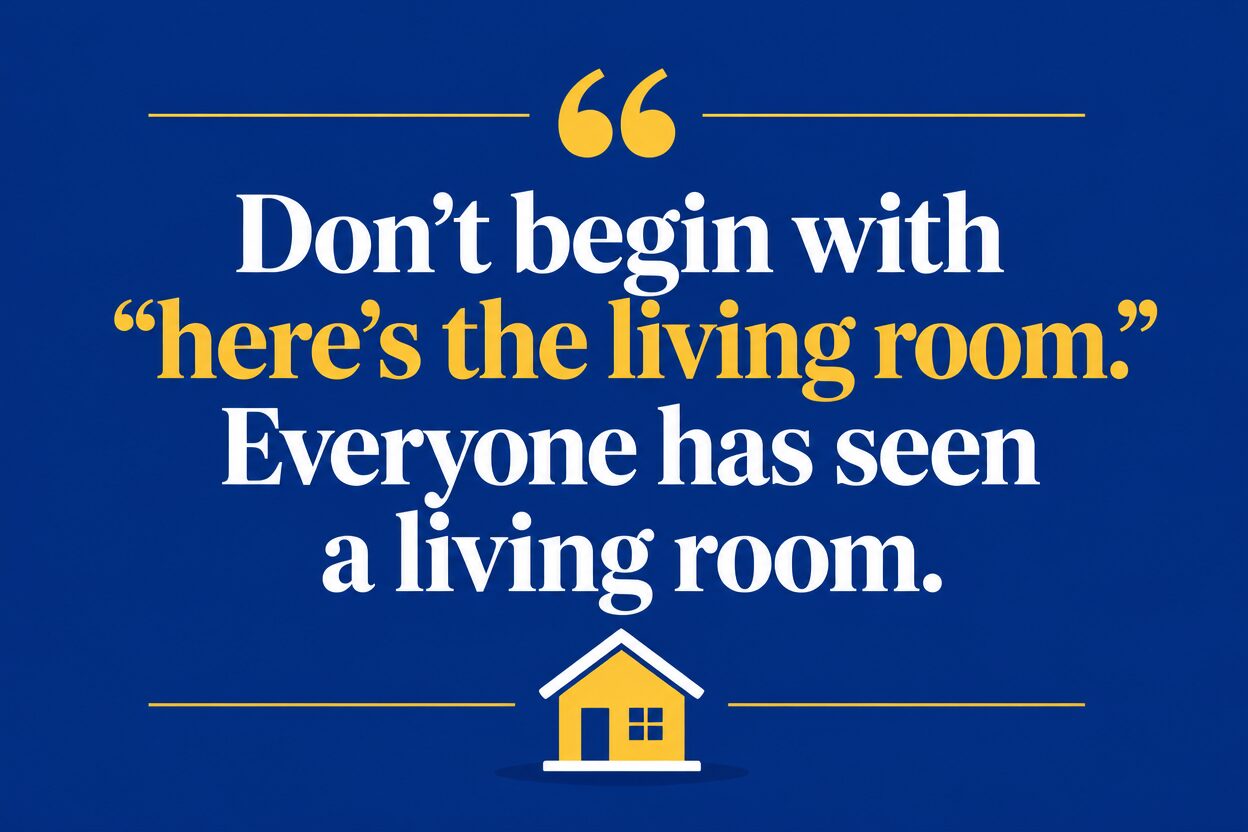
Don’t begin with “here’s the living room.” Everyone has seen a living room. Start with what affects daily life and budgets.
Show the electrical panel location (quickly). Point out the heating and cooling setup. Ask if they work from home, have kids, have a car. Then tailor the walk. And yes, renters notice this. It signals you’ll be responsive later.
Renters: if a landlord avoids talking about heat, water pressure, or noise, that’s a flag. Ask anyway. You’re not being “difficult.” You’re being financially literate.
Talk through the lease basics without getting weird
Landlords sometimes act like the lease is a sacred scroll you’re not allowed to ask about. This bugs me. A smooth tour includes basic lease terms upfront: lease length options, renewal approach, late fee policy, guest policy, and who handles what maintenance.
We teach renters at Rental Secrets to listen for flexibility cues. Stuff like “we usually do 12 months, but we can talk” versus “it’s 12 months, no exceptions, don’t ask.” The first kind of landlord often negotiates on price or concessions if the market’s soft. The second kind. Not so much.
If you’re a landlord reading this, you don’t have to negotiate everything. But you do want to sound consistent and fair. That keeps good tenants longer.
If you want the renter-side version of what to ask and how to read the answers, send them to our renter guide to touring a rental and negotiating based on what you see. It’s practical. Not preachy.
Handle objections and red flags without blowing the vibe
Someone will ask about mold. Or pests. Or crime. Or that stain on the ceiling. And if your reaction is defensive, the tour is basically over. People might still smile. They won’t trust you.
Own the imperfections and show the plan
Real talk: every property has something. A scuffed baseboard. A scratch on the fridge. A window that sticks in humid weather. What matters is whether you act like it’s normal and fixable or like it’s a personal attack.
Try this: “Yep, that’s from the last tenant moving a couch. We’re repainting before move-in.” Or “Good catch. That’s a water stain from an old leak. We repaired it last year and we can show the invoice if you want.”
In our experience, renters relax when they hear specifics. Dates. Who fixed it. What’s next.
Know what not to say
Don’t say, “No one’s ever complained about that.” People hate that. It sounds like you’re calling them dramatic.
Don’t guess. If you don’t know the internet provider or the average electric bill, say you’ll text it after. Then actually text it after. Same day. That follow-through is part of the tour.
Also. Fair housing. Keep it clean. Avoid questions about family status, religion, where they’re “really from,” all that. If you’re not sure, stick to objective rental criteria and the application process. Simple.
Follow up fast, and make applying feel safe
The follow-up is where good tours turn into signed leases. Or where everything dies quietly.
Send a tight recap with numbers
Within a few hours, send a recap: rent, deposit, fees, utilities responsibility, earliest move-in date, and how to apply. Put it in writing. Renters who budget appreciate it. Families especially. They’re juggling groceries, daycare, commuting costs. They don’t want mystery charges.
And if you’re thinking, “Do I really need to spell this out?” Yes. Because renters compare places side by side. Your clarity becomes your advantage.
Make the application process feel legit
Renters are nervous about scams. Rightfully. So give them signals: a professional application link, a written screening criteria summary, and clear refund policy for application fees (if any). If you require payment, explain exactly how and why.
We also tell renters to ask who they’ll contact for maintenance, how after-hours issues work, and what a typical repair timeline looks like. Landlords who answer that calmly tend to keep tenants longer.
If you manage multiple properties, it helps to direct people to your broader process and standards. Here’s a good place to point them: touring rentals and setting expectations with landlords and property managers. It frames the relationship better from day one.
FAQs for How landlords can run smooth rental property tours
Should landlords do open houses or private showings?
Private showings usually create better conversations and fewer distractions. Open houses can work when demand is high and you need volume. But you’ll get more “tourists” who aren’t qualified yet. If you go open house, keep it short, have printed criteria, and collect contact info in a way that doesn’t feel creepy.
What questions do renters ask that landlords should be ready for?
The money questions and the daily-life questions. Utilities. Parking. Noise. Internet. Guest policy. Renewal rent increases. Maintenance response time. Pet rules. And yes, they’ll ask about the neighborhood. Answer what you can factually. Avoid vibes-only promises.
One clean next step
A smooth tour isn’t about being flashy. It’s about being predictable in the good way. Show the unit honestly. Answer budget questions without attitude. Follow up fast. Renters feel respected. Landlords get fewer headaches. And if you’re a renter trying to keep housing costs down, take notes during the tour and use what you learn to negotiate like you mean it. That’s what we teach every day at Rental Secrets.