

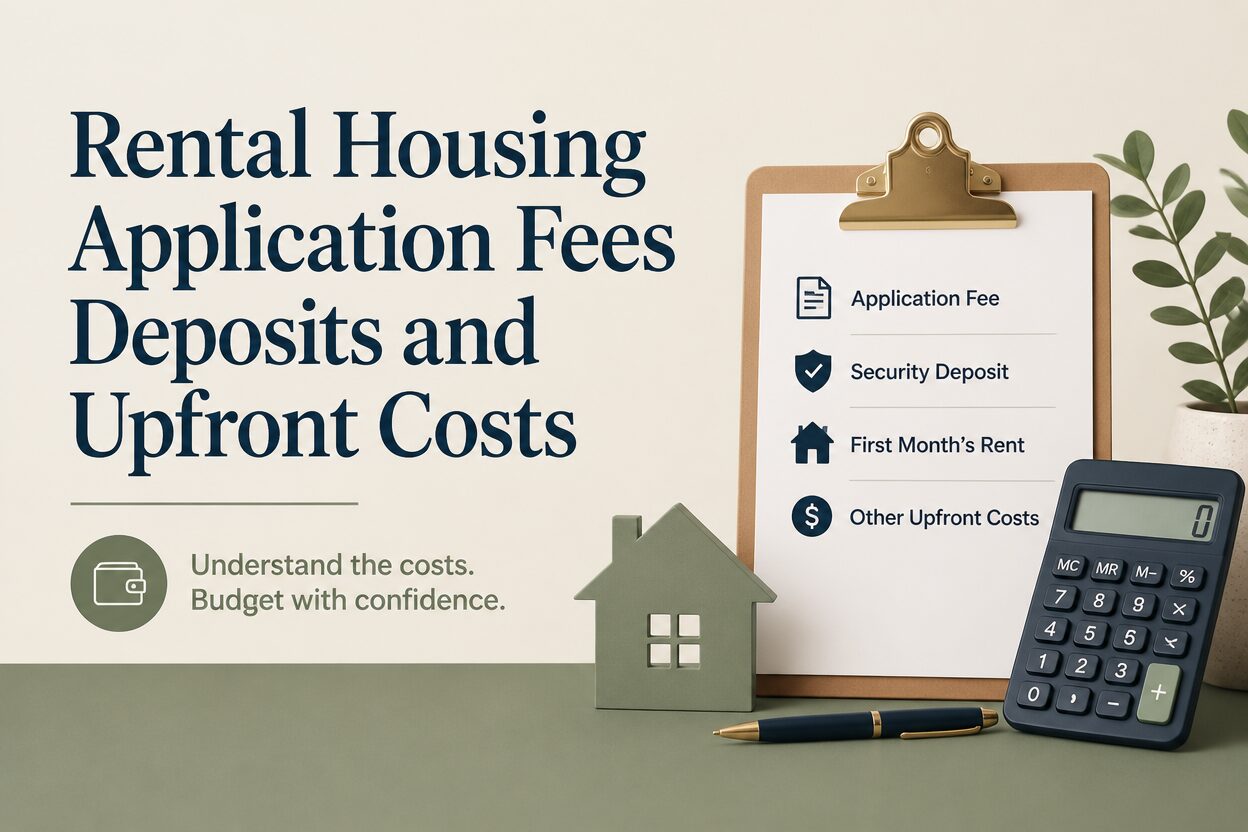
Application fees, deposits, and all the random upfront charges can feel like a petty toll road. You just want a place to live. And suddenly you’re paying three different people for the privilege of being considered.
We deal with this stuff every week at Rental Secrets. And real talk, most renters don’t lose money because they’re “bad with money.” They lose it because the process is messy. And fast. And everyone’s in a hurry.
This page is about keeping your cash where it belongs. With you. We’ll also point you to our main guide to rental housing applications for renters and landlords when you want the full end-to-end playbook.
Know what you are paying for
Before you pay anything, you want to label it correctly. Landlords and property managers don’t always use consistent terms. Sometimes it’s innocent. Sometimes it’s… convenient.
Application fee
This is usually the non-refundable charge to process your application. Think screening reports. Staff time. Verification calls. The part that stings is you can pay it and still get declined. Or ghosted. Yep.
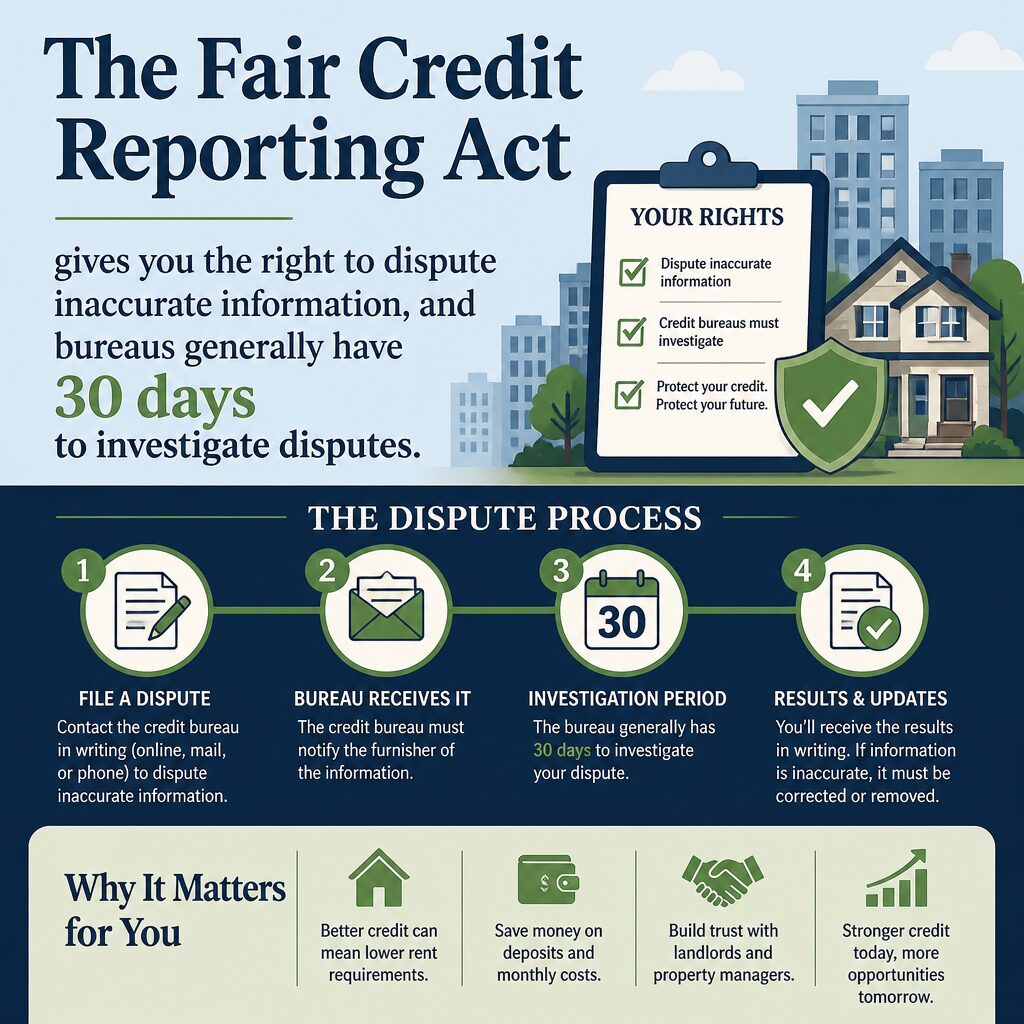
Here’s why the “processing” part matters. A lot of screenings are run through consumer reporting systems, which are regulated. The Fair Credit Reporting Act gives you the right to dispute inaccurate information, and bureaus generally have 30 days to investigate disputes. That timeline can collide with a landlord who wants a decision in 24 hours. That mismatch is where renters get squeezed.
We’re not saying every fee is shady. We are saying: name the thing out loud before you pay it.
Holding deposit
This one is supposed to “hold” the unit so it stops being shown. In practice, it’s the most misunderstood charge in the whole process. I’ve had clients swear they paid a deposit, only to learn later it was just a holding fee with a bunch of conditions tucked into a receipt.
Ask two questions. Will the unit be taken off the market? And what has to happen for the money to be applied to move-in costs or returned? No clean answers. That’s a bad sign.
Security deposit
Security deposits are tied to the lease. Not the application. Most of the time, you don’t pay a true security deposit until you’re approved and signing. If someone wants a security deposit before approval, slow down.
Also, deposits are governed by state rules. Timelines for returning them vary. A common legal benchmark is around 30 days to return a security deposit after move-out, though many states require faster timelines. That doesn’t help you today, but it tells you this is a regulated area, not a casual “we’ll see” situation.
Administrative fees and onboarding fees
This bugs me. Because “admin fee” can mean almost anything. Key setup. Lease creation. Portal setup. Sometimes it’s basically extra rent dressed up with a clipboard.
From a landlord side, we get why it exists. Labor costs are real. But from a renter side, you need to know whether it’s refundable. And whether it’s charged even if you don’t get the place.

Refundable vs non-refundable gets weird fast
Most people think refundable means “I can change my mind.” Not always. A lot of refunds depend on what the landlord does, not what you do. That’s the uncomfortable truth.
When refunds usually happen
If a landlord takes a holding deposit and then rents to someone else anyway, refunds are common. Also if they can’t deliver the unit as promised. Like the current tenant won’t move out. Or there’s a major repair issue. That’s when you push.
And yes, sometimes you can negotiate. Especially when you’re applying early, have clean paperwork, and you’re easy to approve. Our experience at Rental Secrets is that clear, low-friction applicants get better treatment. Not because life is fair. Because property managers are busy.

When you should assume it will not be refunded
Application fees. Usually gone. Holding deposits can also be gone if you back out or miss deadlines. That’s why you want the terms in writing. A text. An email. Something. “We talked about it” doesn’t survive a busy leasing office.
And don’t miss this part. Some places call it a holding deposit but treat it like “liquidated damages” if you don’t sign. That’s legal in some areas if it’s written correctly. And not legal in others if it’s sloppy. Which do you think you’ll get. Sloppy.
Upfront cost stack that surprises most renters
You’re budgeting for an application fee. Then the stack shows up. It’s death by paper cuts.
The usual suspects
- Screening fee (sometimes separated from the application fee)
- Holding deposit
- Security deposit
- First month’s rent
- Prorated rent if you move in mid-month
- Pet deposit or pet fees
- Move-in fees (common in some markets)
- Utility setup and possible connection requirements
Here’s the thing. The total hurts more than any one item. It’s not unusual to feel fine paying “a fee,” then you’re suddenly juggling multiple charges across a week. Your checking account doesn’t care what the labels are.
Timing is the hidden cost
When you’re searching for your new rental, you can end up paying multiple application fees in a short window. That’s not just money. It’s also attention. Time off work. Childcare swaps. Rides across town.
One quick consumer-finance reality check. The Federal Reserve has repeatedly found that a meaningful share of adults would struggle to cover an unexpected expense within 30 days using cash or its equivalent. That’s why a few small upfront payments can knock people off balance. It’s not weakness. It’s math.
How renters can cut losses without losing the unit
You want to be cost-conscious without being slow. Tricky. But doable.
Ask for the rental criteria before you apply
Most professional managers have written screening criteria. Income multiple. Credit standards. Eviction history policy. Ask for it. If they won’t share anything, you’re gambling.
I used to think asking would “annoy them.” Turns out it often signals you’re organized. And if they act irritated, that’s also useful information. You’re interviewing them too.
Don’t pay until the unit passes your basic reality check
See the unit. Confirm it exists. Confirm the address matches. Confirm the person taking your money has the right to show it. Scams love urgency. “Pay now or it’s gone.” That line has emptied a lot of wallets.
Also, do a quick gut check on communication. If the listing is sloppy, the receipts are vague, and the person won’t put anything in writing, you’re not looking at a well-run process.
Bundle your applications strategically
We tell renters to pick a small set of targets, not ten. Apply where you actually qualify. Spend your effort on the places that are likely to say yes. A rejection isn’t just emotional. It’s sunk costs.
And yes, sometimes that means adjusting your target rent. Or offering a longer lease. Or showing stronger documentation. That’s the kind of market-based thinking we teach at Rental Secrets. Landlords respond to reduced risk and reduced hassle.
Get fee terms in writing
Even a one-line email works: “Confirming the $X holding deposit is applied to the security deposit if approved and returned if the unit is rented to someone else.”
You’re not being difficult. You’re preventing confusion. The best property managers like clarity. The worst ones hate it. Again, a useful signal.
Landlords and managers can reduce friction and still protect themselves
If you’re on the landlord side, upfront costs are one of the fastest ways to burn trust. And trust affects renewals. It also affects how tenants treat the place. People act differently when they feel respected.
Say what the fee pays for
A plain-English line helps. “Covers screening and verification.” Or “covers third-party screening plus staff time.” Keep it simple.
Also, don’t double charge. If you’re charging per applicant, say so. If you’re charging per household, say so. Ambiguity creates conflict later, and conflict is expensive.
Be explicit about what triggers refund or forfeiture
If you take a holding deposit, state the exact conditions. Deadline to sign. Deadline to provide documents. What happens if the applicant no-shows. What happens if you reject them.
This is the relationship part. Tenants remember the move-in experience…vividly.
Consider fee credits that reward commitment
I’m not saying waive everything. But crediting part of an admin fee toward first month’s rent, or applying a holding deposit cleanly, can soften the “nickel-and-dime” vibe. It can also reduce last-minute fallout. People are less likely to flake when the rules feel fair.
And yes, it helps retention. When tenants feel like the process was reasonable, they’re more likely to renew without a fight. That’s not sentimental. It’s operational.
Negotiation angles that actually work
Most renters try to negotiate the wrong thing. They argue about the existence of fees. That rarely lands. Better approach: negotiate the risk.
Ask for an application fee waiver in exchange for speed
Offer a complete application package the same day. ID. Pay stubs. Offer letter. References. Whatever they need. Some managers will waive or reduce a fee when you’re clearly the low-hassle option. Not always. But it’s a clean ask.
Ask to convert a holding deposit into a credit with clear terms
We like this one. “If approved and we sign within 24 hours, can the holding deposit apply to the security deposit or the first month?” You’re aligning incentives. They get speed. You reduce duplicate cash outlays.
Use stronger proof instead of more money
Instead of offering a bigger deposit, offer better documentation. A longer employment history summary. A co-signer package that’s complete. A landlord reference that actually answers the phone (rare gem).
Landlords don’t wake up wanting extra paperwork. They wake up wanting fewer surprises.
Clear takeaway
Label every upfront charge before you pay it. Get the refund rules in writing. And pick the properties you apply to like you’re investing, not gambling.
If you want the bigger playbook, including how to package your application so landlords see you as the “easy yes,” our main guide to rental housing applications for renters and landlords ties it together. That’s the whole thing.
Disclaimer: This article does not constitute legal advice.