

Rent gets paid first. And somehow the “rest of the budget” is what you’re supposed to live on. That’s the squeeze. So we’re going to talk about two things at once: keeping your monthly numbers sane, and building real negotiating power so your rent and fees don’t prevent you from living life your way.
Also, we’re going to say the quiet part out loud. The cheapest apartment isn’t always the cheapest living situation. Commute time, utility weirdness, fees, parking, renewal hikes. Some apartments cost more than just money.
Start with a rent number that won’t wreck you
Most people want a clean rule. I get it. You’re trying to make a decision fast, under pressure, with 12 tabs open.
The 30 percent rule is a reference point
Look, the “30% of income” thing isn’t magic. It’s a benchmark used in housing policy and lending conversations. It’s still useful because it gives you a gut check.
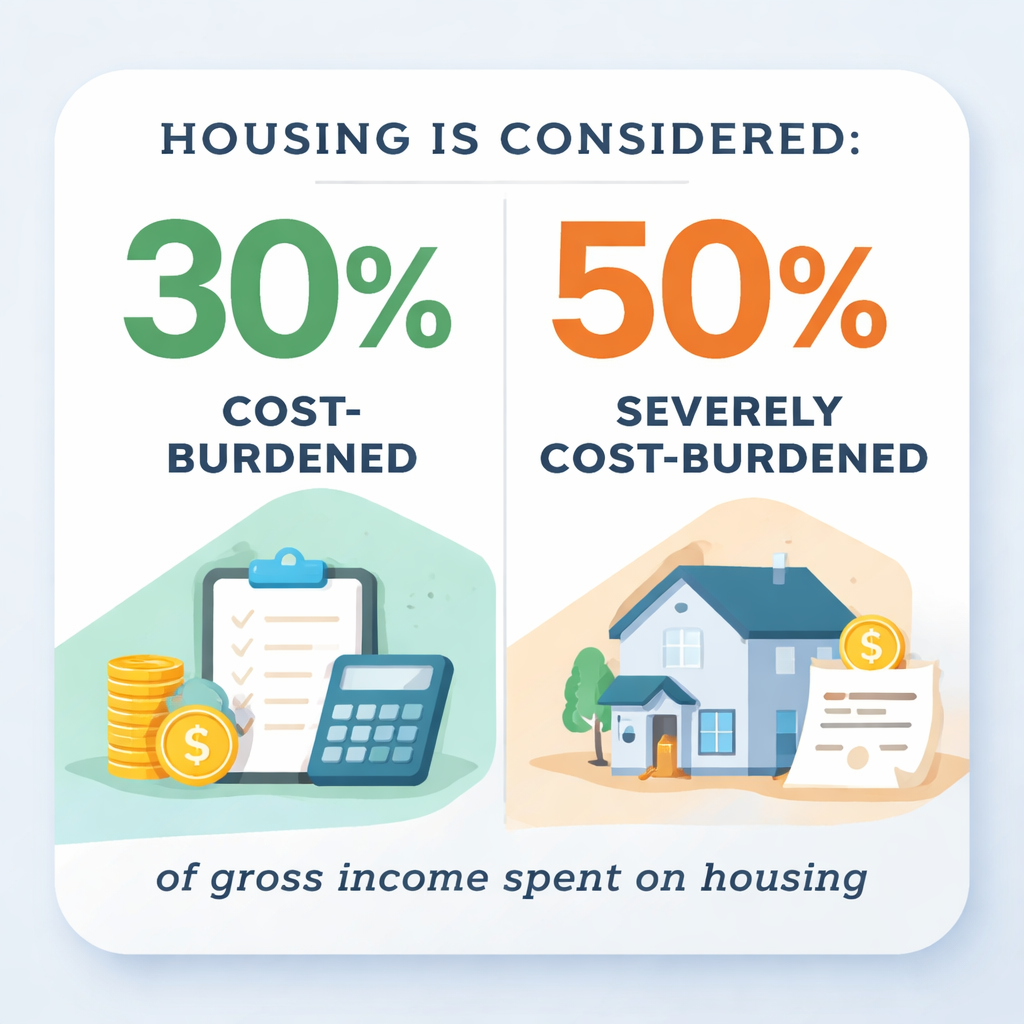
Housing is commonly labeled “cost-burdened” at 30% of gross income, and “severely cost-burdened” at 50%. If you’re hovering near 50%, you don’t need a pep talk. You need a plan. And probably a different unit, roommate, or negotiation angle.
If you want the deeper math and the nuances (students, variable income, families with childcare), we broke it out here: what percent of income should go to rent.
Build your own rent ceiling
Here’s what we do with clients at Rental Secrets. We stop treating rent like a fixed “price tag” and start treating it like a number you’re choosing on purpose.
Pick a rent ceiling that leaves room for real life. Not fantasy life. Real life. Groceries with occasional dessert. A medical copay. A car battery dying at the worst time.
And yes, gross vs net matters. Most rules use gross income because it’s easy. Your landlord doesn’t care about your taxes, but your checking account definitely does.

Know your true monthly housing cost
This is where people get ambushed. Rent looks fine. Then the “mandatory” add-ons show up to hijack your financial future.
Fees and add-ons that quietly inflate the bill
Pet rent. Parking. Trash. Package lockers. “Technology” fees. Administration fees that sound like they come with a stapler and a smile.
The Consumer Financial Protection Bureau found that junk fees can add 20% or more to the cost of a product or service in some cases. Renting isn’t immune. When fees aren’t advertised up front, your budget gets torched, and you feel like you miscalculated. You didn’t. The pricing was fuzzy, and it was fuzzy on purpose.
We’ve got a full rundown of the usual suspects and how to push back: why rental housing fees raise monthly cost.
Utilities are not a rounding error
Real talk: a unit with slightly higher rent but predictable utilities can be cheaper than the “deal” with electric baseboard heat and drafty windows. I’ve seen this exact swap save people from constant budget anxiety.
Ask the right questions before you apply. What’s included. What’s submetered. Whether it’s RUBS. Who controls the thermostat. Whether the water heater is shared. (Shared can be fine. It can also be chaos.)
And if you want tactical ways to cut usage without living in the dark, go here: how to lower rental housing utilities costs.
A budgeting setup you’ll actually stick with
I’m not a fan of budgets that require you to be a different person. If the system needs perfect discipline, it dies on day three – sometimes sooner.
Use a two-layer budget
Layer one is the boring stuff. Rent. Utilities. Insurance. Minimum debt payments. Transit. Childcare. The bills that don’t care about your mood.
Layer two is your flexible spending. Food. Fun. Clothes. The “life” category. This layer needs guardrails, not guilt.
When we build this with renters, we usually set it up so rent and fixed bills get paid right after payday. Automatic. Then, flexible money is what you see when you open your banking app. That reduces the mental load.
Make irregular costs a monthly line item
This is the part most people skip. And then they blame themselves when they “blow the budget.”
Annual expenses aren’t surprises. They’re just less frequent. Car registration. Holiday travel. School fees. A new phone because yours took a swim.
Pick a simple method. Add a monthly bucket called “non-monthly stuff.” Even a small steady amount changes everything. It turns panic into boring.
If you want a more step-by-step version of this, we wrote it out here: how to budget for rental housing rent.
Rent savings that come from negotiation, not deprivation
Our whole thing at Rental Secrets is mindset first. You’re not shopping for toothpaste. You’re entering a business relationship. That’s good news. Business has room to move.
Know what landlords actually respond to
Landlords don’t lower rent because someone’s stressed. They lower rent because risk drops, hassle drops, or revenue becomes more predictable.
So bring terms that reduce their headaches. Longer lease. Earlier move-in. Stronger proof of income. Autopay. Getting along with your neighbors. A simple one-page “renter resume” with references. Sounds cheesy. Works way more often than you’d think.
Renters think, “I just want them to like me.” Totally normal. But when we reframe it as “Here’s why I’m the least risky applicant,” the conversation changes fast. Different energy. Bettter results.
Time your ask like you mean it
Timing is a hidden weapon. Asking on the day they listed a unit? Different vibe than asking after it’s been sitting. Same unit. Same landlord. Different urgency.
Renewals are another window. Most renters wait until the renewal notice shows up, then they react. We prefer proactive. Ask early. Bring comparables. Offer something of value. Keep it calm.
Use neighborhood trade-offs intentionally
You can save money by moving. Sure. But the trade-offs can be sneaky. Commute costs. Time. Safety. Convenience. Childcare logistics. All real.
Cheaper rent can cost you time and stress
Commuting is the classic one. A longer commute can quietly drain your life. Not just gas. Your time. Your energy. Your willingness to cook at home.
The average one-way commute time in the U.S. is about 27 minutes, according to U.S. Census Bureau estimates. Add 15 minutes each way, and you’ve just volunteered for a bigger chunk of your week to disappear. That tends to show up as spending. Convenience spending. “I’m exhausted” spending.
We talk through how to choose a cheaper area without sabotaging yourself here: when to choose cheaper rental housing neighborhoods.
Tools that help without turning budgeting into a hobby
Apps can help. Or they can become another place you feel behind. So pick tools that reduce friction, not add it.
What we like in a money-saving app
Automatic transaction sorting. Bill reminders that actually fire. A clean view of what’s left after rent. And something that makes shared expenses less awkward. Roommates, partners, family. That whole situation.
But don’t overbuy the solution. The best tool is the one you’ll open when you’re tired.
If you want a shortlist and what each tool is good at (and what’s annoying about it), we put it here: best rental housing apps for saving money.
Landlords and managers who want better retention
If you’re on the landlord side reading this, welcome. Honestly. We work with renters, but we also spend a lot of time translating “tenant logic” into something property owners can use.
Retention is a money story and a relationship story
Stable tenants aren’t just pleasant. They reduce turnover chaos. Cleaning, marketing, showing, screening, vacancy gaps. The whole churn machine.
And here’s the thing. Transparent pricing helps. Clear fee disclosures. Predictable utility policies. A renewal conversation that isn’t a surprise attack. That’s how you get fewer late payments and fewer angry emails.
What renters interpret as fair
Most renters can accept an increase when it’s explained and tied to reality. Taxes went up. Insurance changed. Market shifted. Fine.
What blows up trust is randomness. Or the feeling that they’re being tested to see what they’ll tolerate. Renters talk. They post. They leave at the first chance.
We teach renters to negotiate with facts and comparables, not emotion. That makes your life easier, too. Cleaner conversations. Less drama. More predictable outcomes.
When saving money means changing the deal
Sometimes the best “budget tip” is renegotiating the structure. Change the terms. Rent isn’t the only aspect you can change.
Swap terms instead of begging for a discount
Try offering something the landlord values. A longer lease. A slightly different move-in date. Taking on lawn care in a single-family rental. Paying on the first via autopay. Providing a stronger guarantor. Small things. But concrete value.
And keep it clean. One ask at a time. Not five concessions in a single message. That overwhelms people, and you’ll get a quick no.
Know when the unit just isn’t workable
Sometimes you can’t negotiate your way out of a bad fit. That’s not failure. That’s information.
If the rent-to-income ratio is crushing you, if the fees are stacking, if utilities are unpredictable, you’re not being “bad with money.” The unit is just too expensive for your current situation. It happens.
Our job, and what we do every day at Rental Secrets, is help you see the real power you already have. Market info. Timing. Terms. The ability to be a low-risk tenant. Then we empower you to turn that into a more workable monthly payment and a better relationship with your landlord. Not perfect. Just better.
Disclaimer: This article does not constitute legal advice.