

A rental tour isn’t just about vibes. It’s a live budgeting session. You’re walking around with your future monthly costs hiding in plain sight. And yeah, the listing photos won’t help you much here.
At Rental Secrets, we push renters to use tours like a cost audit. Not a beauty pageant. Because the cheapest-looking place can quietly cost more to live in. And the “expensive” one sometimes has boring, stable expenses. Boring is good.
Think in monthly friction, not just rent
Look, most people walk in thinking, “Can I afford this rent?” But your bank account feels the stuff around rent. The little hits. The surprises. The annoying bills that show up like clockwork.
So during the tour, we’re not hunting for perfection. We’re hunting for predictability. Predictable utilities. Predictable maintenance. Predictable parking. Predictable commute time. That’s what keeps budgets from getting wrecked.
Bring a cost lens into every room
Here’s what I mean. You walk into the living room. Big windows. Cool. But are they single-pane? Do they rattle? Are there gaps you can feel with your hand?
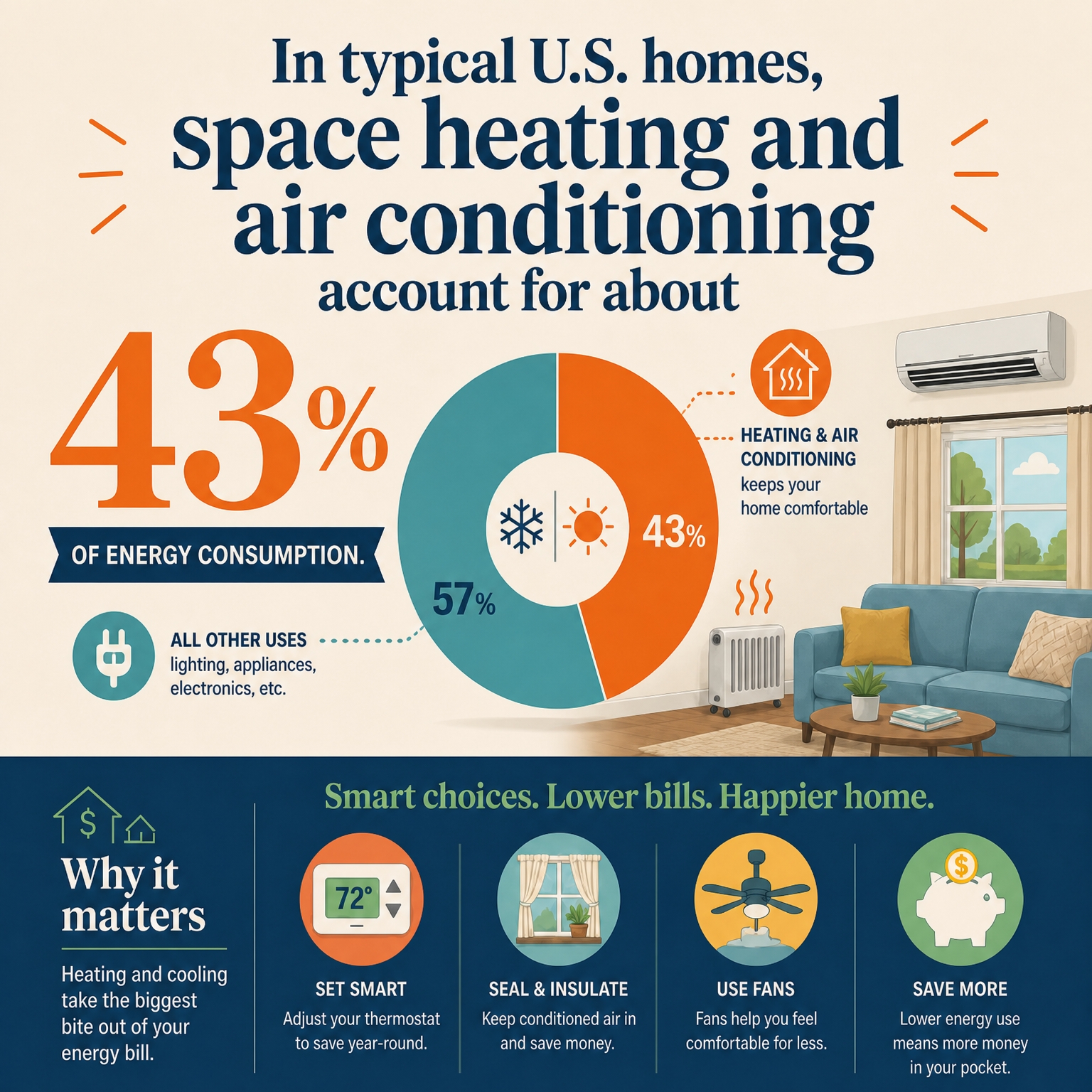
Because heating and cooling tends to be the biggest chunk of a home’s energy use. In typical U.S. homes, space heating and air conditioning account for about 43% of energy consumption. If the place leaks air, you’re paying to condition the outdoors. That gets old fast.
And yes, you can ask about insulation. You should. But you can also just… notice stuff. Drafts. Hot spots. Condensation on windows. That musty smell that tells you humidity is running the show.

What to look at on the tour for real cost signals
We’re going to get practical. This is the “walk around and spot the money leaks” part. Some of it feels nitpicky. Good. Nitpicky saves you cash.
Windows, doors, and drafts
Try the windows. Open and close them. Do they stick? Do the locks line up? A window that doesn’t seal is basically a utility bill machine.
Check the front door too. If you see daylight around the edges? That’s not “character.” That’s air exchange you didn’t ask for.
And listen. Street noise often tracks with poor sealing. Noise is a comfort issue. It’s also a “how hard will the HVAC have to work” clue.
HVAC age and controls
Ask how old the furnace and AC are. Then look at the thermostat. Is it programmable? Smart? Or is it a mystery dial from 1997 that no one understands?
Real talk: people underestimate how much small temperature changes matter. ENERGY STAR notes you can save around 10% a year on heating and cooling by turning your thermostat back 7°–10°F for 8 hours a day. That only works if the system behaves and the controls aren’t terrible.
I had a client last month who toured two nearly identical units. Same rent. One had an ancient AC that short-cycled like crazy. The other had a newer system and decent vents. Guess which one the landlord insisted was “basically the same”? Yeah.
Water pressure and hot water behavior
Turn on faucets. Flush toilets. Run the shower for a bit. Water pressure tells you a lot about plumbing health. But here’s the sneaky part: inconsistent hot water can hint at an undersized water heater or a unit that’s at the end of its life.
You’re not paying for water heater replacement, usually. But you’re paying in inconvenience. And sometimes in higher utility usage if the thing is inefficient or set weirdly high to compensate.
Also ask: is hot water centralized for the building or inside your unit? Central can be stable. Or a mess. Depends on management.
Appliances and laundry reality
Look at the fridge seal. Peek behind it if you can. Is it dusty back there? That’s a sign it’s been running hot.
Ask about laundry. In-unit is convenient. Shared can be fine. No laundry means you’re doing the laundromat shuffle. And that adds up in time and transport costs. Small dollar amounts leaving your pocket on a regular basis.
If the building has laundry, check how many machines there are for how many units. You don’t want to be the person waiting around with a basket at midnight.
Parking, storage, and “included” stuff
“Included” can be real. Or it can be technically included but practically unusable.
Parking spot: is it assigned, or first-come? Where is it? How’s the lighting? Are there weird rules that end up forcing you to park off-site anyway?
Storage: ask where. See it. Don’t just nod. I’ve seen “storage included” mean a damp cage in a basement that smells like a science project.
Questions that surface costs without sounding annoying
Here’s the thing. You can ask direct money questions. Most renters don’t. They get shy. Or they worry they’ll seem difficult.
But a professional landlord has heard it all. And property managers, honestly, usually prefer a tenant who asks up front instead of complaining later.
Utility setup and responsibility
Ask:
- Which utilities are tenant-paid vs included?
- Is heat gas, electric, or something else?
- Is the unit individually metered?
- Do you have average usage history for this unit or a similar one?
Individually metered matters. If you’re paying a shared building bill through a flat fee, you’re underwriting other people’s habits. Sometimes that’s fine. Sometimes it’s chaos.
And don’t be afraid to ask how trash works. Valet trash, dumpster, city pickup. Costs and convenience hide in those details.
If you want a deeper utility-specific angle, our team put together a practical breakdown here: how to estimate utility costs during rental tours.
Maintenance response time
This is a landlord relationship question, but it’s also a cost question. Slow repairs can create “secondary” costs. Space heater purchases. Laundromat runs. Missed work. You get it.
Ask:
- What’s the typical response time for urgent vs non-urgent repairs?
- Is there a maintenance team on-site?
- How are requests submitted?
And yes, you can ask for examples. “What happened the last time a water heater failed?” That kind of question makes people answer more honestly.
Lease terms that change your effective cost
Now we’re talking. Lease structure can make the same rent feel wildly different.
Ask about:
- Renewal increases and how they’re decided
- Fees that pop up later (parking, pet, admin, trash)
- Concession clawbacks (what happens if you break the lease)
At Rental Secrets, we spend a lot of time teaching renters how landlords think about pricing and renewals. Not in an evil way. In a math way. When you understand the math, you negotiate smarter. You also avoid signing “cheap” rent that turns expensive through add-ons.
Turn tour notes into negotiation leverage
Here’s where renters mess up. They notice issues. Then they keep it in their head. They don’t document it. Or they act like it’s a personal preference instead of a cost factor.
Document the cost drivers, not the decor
Take photos of:
- Old HVAC labels or serial plates (if visible)
- Single-pane windows
- Gaps under doors
- Rusty water heater pan
- Cracked caulk, water stains, warped baseboards
Not because you’re trying to be dramatic. Because it gives you something concrete to point to when you ask for a better deal or a repair commitment.
And don’t overreach. If you walk in demanding a rent drop because you don’t like the backsplash, you’ll get ignored. If you point out heat loss, appliance age, and maintenance backlog? Different vibe.
Use comps and timing
This bugs me: renters try to negotiate in a vacuum. “Can you lower the rent?” based on… feelings.
Bring comps. Similar units in the same area. Similar move-in dates. Similar amenities. And be calm about it.
Also, timing matters. Vacancy is expensive for owners. The U.S. rental vacancy rate has often hovered in the mid-single digits in recent years (around 6% in multiple quarters reported by the U.S. Census Bureau). In tighter markets, landlords have less incentive to bend. In looser moments, they’ll talk.
That stat isn’t magic, but it frames the power dynamic. When vacancies rise, negotiation gets easier. When they fall, you’ll need stronger reasons and cleaner paperwork.
Ask for fixes or credits, not just lower rent
Sometimes rent won’t move. Fine.
Ask for:
- Weatherstripping installed
- HVAC tune-up before move-in
- LED bulbs throughout
- A written commitment to address a specific issue
These requests are easier for many landlords to say yes to. They also reduce your ongoing costs. Quietly.
One exception: if the building is professionally managed and locked into a corporate pricing system, they might only offer concessions. That can still work. Just read the fine print. Concessions with clawbacks can be nasty.
Quick tour routine we use with clients
When I’m helping someone tour, we do a simple loop. Not fancy.
- Start outside. Noise, parking, trash area, lighting.
- Entry door check. Seal, lock, frame alignment.
- Living area. Windows, drafts, vent placement.
- Kitchen. Appliance condition, outlets, under-sink leaks.
- Bathroom. Vent fan, water pressure, hot water, caulk.
- Bedrooms. Noise again. Closet space. Window function.
- Mechanical. Ask about HVAC and water heater setup.
- Admin. Utility responsibility, fees, repair process.
We keep notes in plain language. “Bedroom window won’t lock.” “Bathroom fan loud and weak.” “Hot water took 2 minutes.” Those turn into follow-up questions. Or negotiation points. Or a hard pass.
If you’re trying to get better at comparing options after you’ve toured a few, this helps a lot: how to compare rentals after property tours.
Where landlords and property managers fit into this
If you’re a landlord or property manager reading this, here’s the candid version. Cost clarity reduces conflict. A renter who understands utilities and fees upfront tends to complain less later. They also renew more often, in our experience.
Proactive move: offer a simple utility responsibility sheet. Show the HVAC service schedule. Explain how maintenance requests are handled. Don’t bury fees. That stuff builds trust fast.
And yeah, renters will still negotiate. That’s normal. If you meet them with facts instead of defensiveness, you usually get better tenants. The ones who pay on time and treat the place like it’s their place.
We talk a lot at Rental Secrets about the psychology of rent pricing and renter decision-making. Transparency is part of it. Not because it’s “nice.” Because it’s efficient.
One clean takeaway before you sign anything
Use the tour to spot the costs you’ll live with every month. Drafts. Old HVAC. Weird fees. Slow maintenance patterns. That’s your real affordability test.
And if you want the bigger framework for touring with your budget brain turned on, keep this open in another tab: Rental Property Tours Guide for Budget Smart Renters. We built it for exactly this moment. When you’re deciding what’s “worth it” before the lease locks you in.
Disclaimer: This article does not constitute legal advice.