

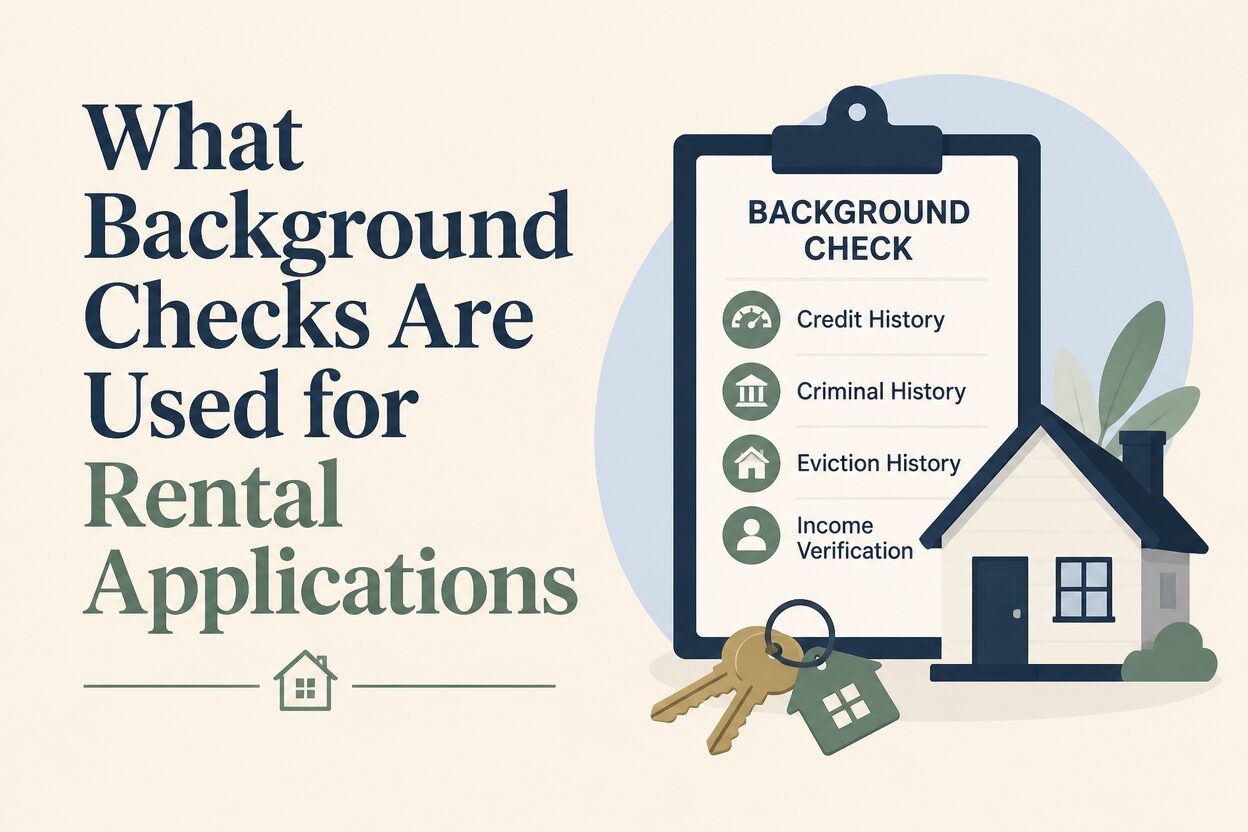
Most rental applications include some version of the same trio. Credit. Criminal. Eviction. And then a couple “soft” checks like income and landlord references. That’s the real answer.
But you’re probably asking the second question too. What are they actually looking for? And how do you keep a background check from turning into an automatic no?
We deal with this stuff at Rental Secrets all the time. Renters want a cheaper place (or at least not a rent hike). Landlords want fewer surprises. The background check is where both sides get nervous.
The big three checks most landlords run
Look, most screening packages are basically bundles. A landlord clicks a button. A report spits out. The names change but the ingredients don’t.
Credit report and credit score
This is the one people feel in their stomach. Credit reports usually come from Experian, Equifax, or TransUnion (or a tenant-screening vendor pulling from them). Landlords are scanning for late payments, collections, charge-offs, high utilization, and bankruptcies.
Real talk: a low score isn’t always the dealbreaker. Pattern is the dealbreaker. One old medical collection? Some landlords shrug. A fresh trail of missed payments across multiple accounts? Different vibe.
When I work with clients on this, the first thing I check is what’s “recent.” Last 12 to 24 months tends to do most of the heavy lifting. Older stuff still shows up, but it doesn’t always scare someone off the same way.
Looking for help to improve your credit score? Our partner Rental Kharma has strategies to help.
Criminal background check
Most of the time this is a database search plus sometimes county-level records. Quality varies. A lot. Some reports miss things. Others match the wrong person (same name problems are real).
Also, landlords aren’t supposed to use criminal history in a sloppy way. Fair housing rules matter here, and many states and cities have extra restrictions. Some places limit how far back they can look, or require an individualized assessment instead of blanket bans.
One thing that bugs me. People assume “criminal check” means the FBI is doing a full investigation. Usually, it’s not that dramatic. It’s a vendor report. Still serious, though.
Eviction history
This is the quiet killer. Eviction filings and judgments can show up even when a tenant “won” or the case was dismissed. Depends on the state and the database.
Landlords focus on two questions. Was there an eviction judgment? And is there a pattern of filings?
I had a client who got denied because a filing showed up from a roommate situation years ago. They weren’t even the person who stopped paying. But their name was on the lease. That was enough for the screening system to flag it. We helped them build a simple explanation packet and target buildings with more human review. It helped. Not magic, but better.

The checks that feel smaller but can decide the application
Thing is, a landlord can like your credit and still pass. Because the “basic” verification didn’t line up. This is where a lot of renters get tripped up. Especially students and young professionals with non-traditional income.
Income and employment verification
Pay stubs. Offer letters. W-2s. Sometimes bank statements. Sometimes a call to HR. Some landlords use services like The Work Number. Some just eyeball PDFs.
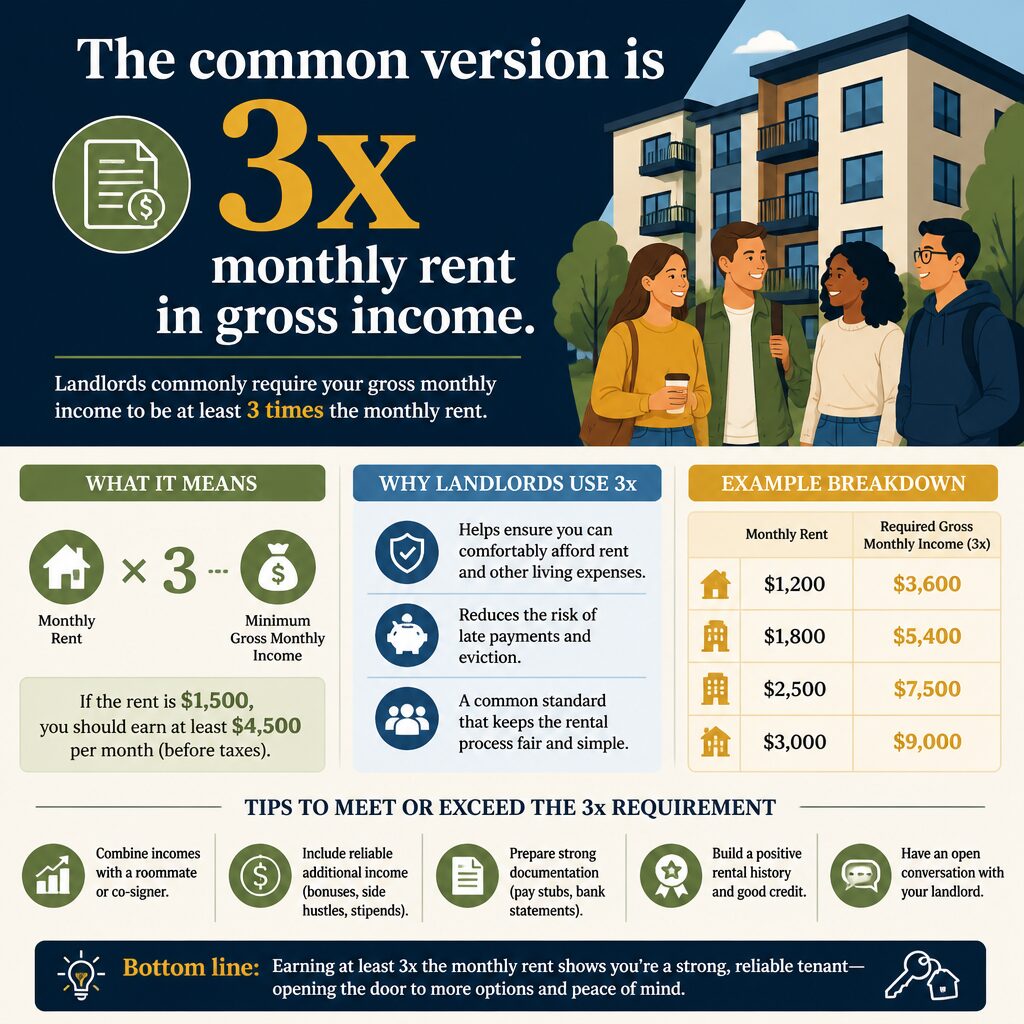
And yes, they’re usually thinking about a rent-to-income rule. The common version is 3x monthly rent in gross income. But it’s not universal. Small landlords flex more. Big property managers follow policy because they’re allergic to exceptions.
If your income is variable (commission, tips, freelance), you can still look solid. We’ve seen people win approvals by showing a few months of bank deposits plus a clean, readable spreadsheet (not fancy, just clear). The point is to remove the “uhhh” feeling from the reviewer’s brain.
Landlord references and rental history
This is where tenant relationships show up. A reference check might be a quick call. Or an email form. Or nothing at all, because half the time nobody answers.
But when it happens, the questions are predictable. Did you pay on time? Were there complaints? Did you leave the place in decent shape? Would they rent to you again?
Honestly? A calm, boring rental history is a flex. Boring is good.
Why landlords screen and what they do with the results
So, why all the checking? It’s not personal. It’s risk management. Missed rent. Property damage. Legal headaches. Vacancy time. Landlords price risk into rent, too. When they feel safer, they can be more flexible. That matters if you’re trying to negotiate.
At Rental Secrets, we teach renters how landlords think so you can shape the story your application tells. Because that’s what it is. A story. Numbers plus context.
Automatic approval versus human review
Some buildings run on strict cutoffs. Score below X, deny. Eviction record, deny. Income below the line, deny. It’s fast. It’s cold. It also keeps staff from making “exceptions” that get them in trouble.
Other landlords do a human read. They’ll look at compensating factors. Savings. Strong guarantor. A shorter lease term. Upfront rent where legal. A clean explanation for a one-time mess.
But you’ve got to know what you’re walking into. If you’re applying at a big corporate property, a heartfelt story won’t always get airtime. If it’s an owner-operator, a well-timed conversation can.
How “adverse action” works
If a landlord denies you or requires a higher deposit because of a consumer report, they generally need to give an adverse action notice under the FCRA (Fair Credit Reporting Act). That notice should tell you the reporting agency used and how to request a copy.
That’s your doorway to fixing errors. And errors happen more than people expect. Mixed files. Old addresses. Wrong match. It’s annoying. But it’s fixable.
Want the bigger picture on how applications get reviewed? Our screening and approval process resources go deeper into what managers do behind the desk.
How to prep so the check helps you instead of hurting you
Here’s what I’d do if we were applying together this weekend. Not theoretical. Just practical.
Run your own “pre-check”
Pull your own credit reports. Not just the score from an app. The actual report detail matters. Dispute obvious errors early. And if you can’t fix it in time, at least you’ll know what they’ll see.
For eviction records, you can search local court databases in many areas. It’s not fun. But it beats being surprised after you paid application fees three times.
Bring a clean application packet
Landlords move fast. The person who makes the job easy often wins. Especially in competitive markets.
- Last 2 pay stubs (or proof of deposits for variable income)
- Offer letter or employment verification letter
- Photo ID
- Recent landlord contact info (name, email, phone)
- Short note explaining any hiccup (one paragraph, calm tone)
That last one is underrated. Keep it short. No drama. Just “Here’s what happened. Here’s why it’s no longer an issue.”
And if your goal is lower rent, this prep work still matters. A strong application gives you negotiation room. Our experience. Landlords negotiate more when they feel the tenancy will be low-maintenance. Background checks are part of that mental math.
Common surprises and how to handle them without spiraling
Now, the weird stuff. The “why is this happening to me” stuff.
False matches and outdated records
Same-name matches can trigger wrong criminal records. Old addresses can pull in the wrong person. Some databases are messy. You’re not crazy.
Push for details. Ask which screening company they used. Request the report. Dispute it quickly. And yes, sometimes it’s faster to apply elsewhere while the dispute runs its course. That’s not fair, but it’s real.
Guarantors, co-signers, and extra deposits
Students and early-career renters run into this constantly. No long credit history. Not much income yet. Landlords will ask for a guarantor, a higher deposit, or both (where allowed).
I used to think a guarantor was always the easiest solve. Turns out it can backfire if the guarantor’s credit is messy or their income documentation is slow. A clean guarantor package matters just as much as the tenant’s.
Also, watch local rules. Some cities limit deposits. Some restrict what fees can be charged. Knowing the rules can save you money and give you a little confidence in the conversation.
If you want the broader playbook for applications, negotiation, and how landlords decide, start with our guide to rental housing applications for renters and landlords. That’s where we lay out the strategy side, not just the checklist.
FAQs for What background checks are used for rental applications
Do landlords see my full credit report or just a score?
Usually they get a report summary plus a score, depending on the vendor. Many see tradelines, late payments, collections, and public records. Not your exact bank balance. Not your paycheck. The report is more like a snapshot of how you’ve handled credit over time.
Will a dismissed eviction case still show up?
It can. Some databases show filings, not just judgments. Some landlords only care about judgments. Others see a filing and get spooked. If it was dismissed, bring documentation and keep your explanation tight. One page. Calm. “Filed during a dispute. Dismissed on X date.”
What to do next if you want fewer denials and better rent conversations
Background checks aren’t going away. So we treat them like part of the application strategy. Know what’s being pulled. Fix what you can. Explain what you can’t fix yet. And choose targets where a human can actually review your situation.
If you’re trying to cut housing costs, this helps more than people think. Less time wasted. Fewer fees. And when you look strong on paper, landlords listen more when you ask for a better deal. That’s the whole thing.
Disclaimer: This article does not constitute legal advice.