
Walk into a rental tour with the right questions and you can save real money. Not just once. Over the whole lease. You’re not “being picky”. You’re collecting proof. And honestly, most renters don’t ask half of this stuff. That’s why they end up paying for surprises.
Ask money questions right away
Look, you’re on the tour because the place looks decent. Cool. But we’re trying to figure out the true monthly cost. The landlord’s advertised rent is only part of the story, and you already know that.
What exactly is included in the rent
Ask: “What utilities are included, and which ones are always on the tenant?” Not “are utilities included?” because you’ll get a vague yes. Pin it down. Water. Sewer. Trash. Gas. Electric. Internet. And also any building fees that feel like rent wearing a fake mustache.
And ask how they bill. Flat fee. Ratio utility billing (RUBS). Separate meter. Some buildings “include” water, then hit you with a $65 service charge every month. I’ve seen it a lot.
What fees show up after move-in
Real talk: fees are where budgets go to die. Ask for a full list. Application fee, admin fee, amenity fee, parking, pet rent, pet deposit, trash valet, package lockers, “resident benefits” bundles. If the person touring you says “I think it’s…” ask them to check. Nicely. But don’t let it slide.
One thing we do at Rental Secrets is treat fees like negotiable variables, not fixed facts. Rent might be “firm”. Fees often aren’t. Especially if the unit has been sitting.
- What’s the security deposit and what makes it go up or down?
- Is there a monthly fee for trash, packages, or amenities?
- What’s the cheapest parking option, if any?
- Is renter’s insurance required and what coverage amount?
- What’s the total due at signing, line by line?

Get honest about the unit’s condition
Thing is, tours are staged. Even in an “as-is” unit, someone has tried to make it look fine. Your job is to make it talk.
Maintenance history tells the truth
Ask: “What repairs were done after the last tenant?” Then pause. Silence is useful. You’ll often get a real answer after a beat.
Then ask the question most people skip: “What’s the most common maintenance issue in this building?” It forces honesty. A decent manager will tell you about plumbing backups, ancient HVAC, or the one elevator that loves breaking on Fridays.
Signs of the expensive problems
I used to think cosmetic stuff mattered more. Scratches, paint, whatever. Turns out the money problems are usually moisture, HVAC, and pests.
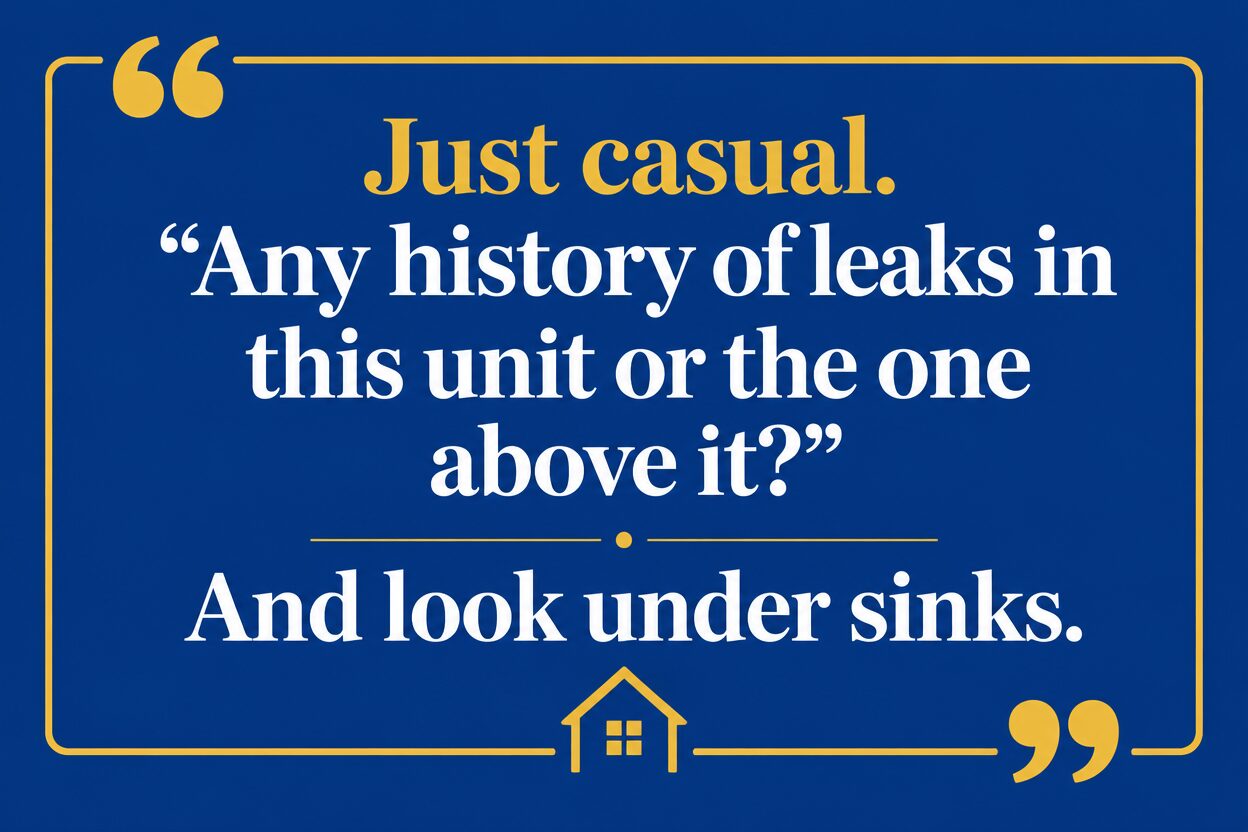
Ask about water damage and mold policy directly. Not in a dramatic way. Just casual. “Any history of leaks in this unit or the one above it?” And look under sinks. Check baseboards near exterior walls. Smell the closets. If it smells like a dehumidifier is working overtime, that’s a clue.
Also. Test the cell signal. I know it sounds random. But you don’t want to discover the dead zone after you signed.
Clarify the lease rules that cost you later
Now we get into the stuff that feels boring. But this is where renters get trapped. And landlords get frustrated too, because misunderstandings turn into conflict.
 Renewals, increases, and notice periods
Ask: “How do renewals work here?” Not just “can I renew?” You want the process. When they send the offer. How long you have to respond. Typical increase range. They might not give a number. Fine. Ask what it’s based on. Market comps. Ownership targets. A software pricing tool. You’re listening for how rigid it is.
Also ask: “What’s the notice to vacate requirement?” Thirty days? Sixty? Some leases sneak in 60, or require notice on the first of the month only. That can cost you an extra month accidentally. Been there. It’s annoying.
Subletting, roommates, and guests
Students and young professionals ask this a lot, for good reason. Ask the guest policy. Ask how long someone can stay before they’re considered an occupant. And if you might add a roommate later, ask how they handle it. New application. Fee. Full re-lease. Some properties make it easy. Some make it painful on purpose.
If you want a bigger picture walkthrough of what to look for on tours, our rental property tour guide for budget-smart renters goes deeper into the strategy side, not just the checklist stuff.
Figure out the landlord or manager vibe
Honestly? You’re not only touring the unit. You’re touring the relationship. A place can be cute and still be a headache if communication is a mess.
How maintenance requests actually get handled
Ask: “How do I submit maintenance requests?” App, email, phone, portal. Then ask: “What’s the typical response time for urgent vs non-urgent?” Watch how they answer. Specifics feel good. Vague answers feel like a future you problem.
And ask who does the work. In-house techs or third-party vendors. Neither is automatically better. But third-party can mean longer waits. In-house can mean faster fixes but sometimes more corner-cutting. Depends on the shop.
Communication style and documentation
This bugs me: renters agree to stuff verbally and assume it’ll happen. “Yeah we’ll repaint.” “Sure we’ll clean the carpet.” Then move-in day comes and nothing’s done.
So ask: “If we agree on something today, how do we get it in writing?” A good manager won’t get defensive. They’ll say “we can add it to the lease” or “we’ll email the approval.” That’s what you want.
Landlords and property managers reading this. You can increase retention by doing this proactively. Give the renter a simple written move-in plan. Clear dates. Clear expectations. Fewer angry emails later. Everybody wins.
Use the tour to set up negotiation
So, yes, ask questions. But also use their answers as leverage. Not in a weird aggressive way. In a calm, numbers-based way. That’s the whole thing.
Questions that reveal pricing flexibility
Ask: “How long has this unit been available?” and “Do you have any other similar units coming up?” You’re listening for urgency. A unit that’s been open for 30+ days tends to have more room. A unit with three backups and a waiting list. Probably not.
Then ask: “What lease terms are you pricing today?” Sometimes the 14-month is cheaper than the 12-month. Sometimes they’ll waive a fee instead of lowering rent. And sometimes they’ll do a concession only if you ask on the spot.
Bring receipts, not vibes
When I work with clients on this, we show we’re low-risk. Stable income. Clean background. Ready-to-sign timeline. And we anchor to market reality. Comparable units. Recent concessions. Not “I feel like it’s too high.”
Our team at Rental Secrets focuses on how landlords think about vacancy cost, turn cost, and pricing windows. That’s where discounts come from. Not magic. If you want more of the practical checklists renters actually use, the rental property tour checklist for first-time renters is a good next stop.
FAQs for What questions to ask on rental property tours
Is it rude to ask for everything in writing during a tour
No. It’s normal. You can keep it friendly: “Can you email me that so I don’t mess it up later?” Most managers prefer written communication anyway. And if someone gets irritated by basic documentation, that’s a signal.
What’s the single best question to uncover hidden costs
Ask: “Can you show me a sample move-in cost sheet and a sample monthly ledger?” A real ledger shows recurring charges. Not just rent. It also forces clarity on parking, trash, bundles, and insurance requirements. If they can’t provide it, you’re walking into fog.
Your next step after the tour
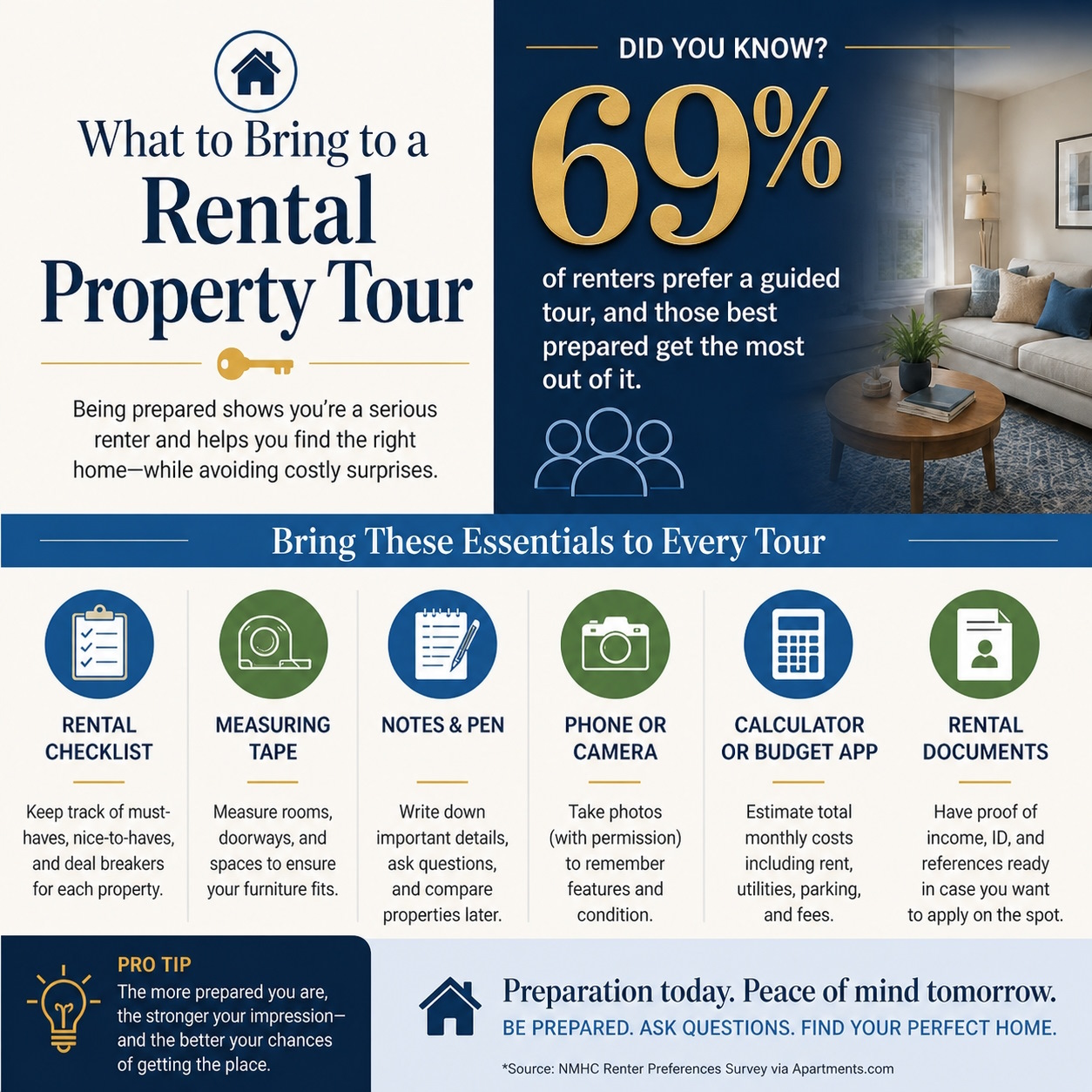
Right after you leave, write down what they said. Seriously. Two minutes in your notes app. Then compare it against your budget and your other tours. Patterns pop fast.
And when you follow up, be direct. Ask for the fee sheet. Ask for the lease draft. Ask for the concessions in writing. Calm tone. Clear paper trail. That’s how you keep rent from quietly ballooning.