

Plan on 20 to 40 minutes for a typical rental tour. That’s the range we see most often in real life. Studios and small one-beds can be closer to 15 to 25. Bigger places, older buildings, or anything with “quirks” tends to creep toward 45 minutes.
And yes, a tour can be too short. Five minutes and a rushed “any questions?” is basically a sales drive-by. But a two-hour wander is usually a sign the showing agent isn’t prepared, or the unit isn’t ready. You’re not there to hang out. You’re there to make a money decision.
The real answer depends on what you need to learn
Look, the goal isn’t to see every corner. The goal is to leave knowing whether the place is worth applying for and what you can negotiate. That’s it.
When I work with clients on this, the first thing I ask is: Are you trying to win the unit, or are you trying to reduce your cost? Sometimes those are opposites. Hot market. Slow market. Different vibe.
Fast tours are fine when the unit is simple
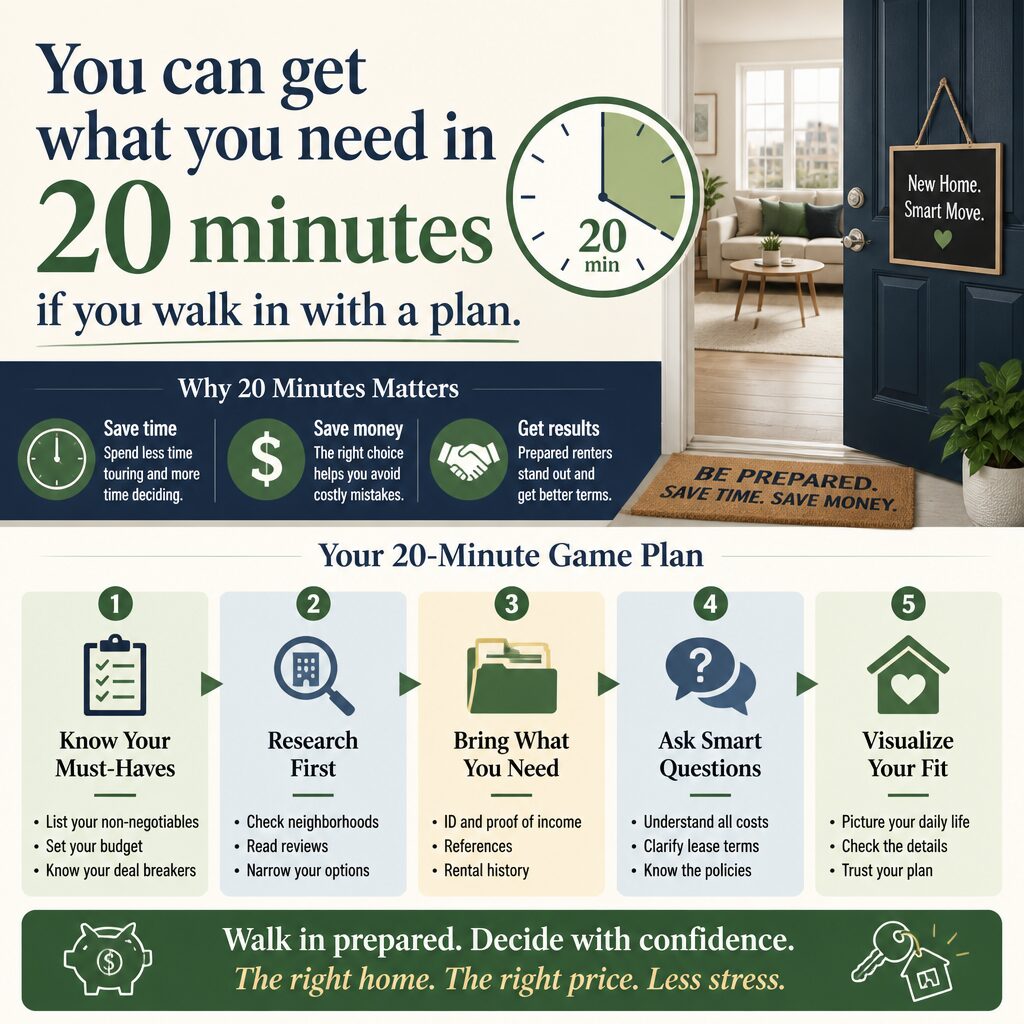
A clean, newer building with predictable layouts. Basic appliances. Nothing custom. You can get what you need in 20 minutes if you walk in with a plan. Most people don’t. They float around, open a few cabinets, and leave without checking the stuff that actually affects your budget.
Long tours are usually about risk
Longer tours tend to happen when something needs verifying. Old windows. Odd smells. Basement laundry. A “renovated” kitchen that still has 1996 plumbing. Those are the ones where you slow down, because a cheap unit can get expensive fast.
And honestly. You’ll sometimes stretch a tour on purpose. Not because you love the place. Because you want to watch how the manager reacts when you ask direct questions. That tells you what the lease negotiation is going to feel like later.
A time budget that actually works in the real world
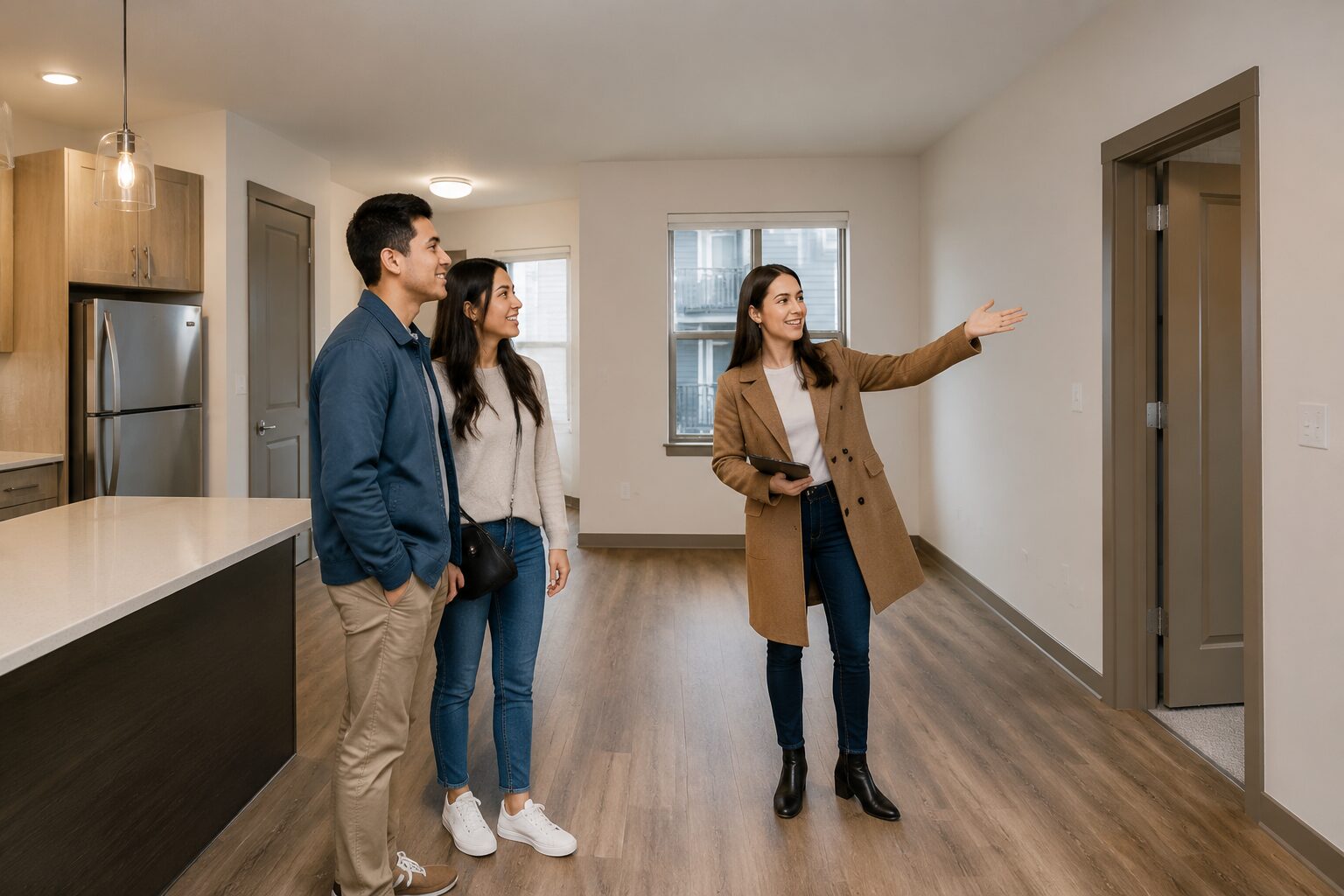
So, how long should you book on your calendar? We like 45 minutes per property, even if you expect to finish in 25. That buffer matters. Traffic. Locked doors. Someone still inside. It happens.
Here’s a simple way to split the time. It’s not fancy. It works.
Minute-by-minute flow for a 30 minute tour
- 0 to 5: building entry and first impressions (noise, smells, mail area, security)
- 5 to 15: unit walk-through (layout, light, outlets, windows, storage)
- 15 to 22: “cost stuff” (utilities, laundry, parking, internet, fees)
- 22 to 28: questions and lease terms (move-in dates, deposits, renewals)
- 28 to 30: quick recap notes in your phone before you forget
When 15 minutes is enough
Quick tours can be totally fine when you’re screening. Like your third unit of the day. Or you already know the building and you’re just seeing a different floor plan. Or the place is obviously a no.
But if you’re a first-time renter, or you’ve been burned before, don’t rush it. You’re not being “high maintenance.” You’re being financially literate.
What to do during the tour so you can negotiate later
Thing is, most renters treat tours like a dating profile. “Ooh, subway tile.” Cute. But you can’t negotiate subway tile.
You negotiate risk. You negotiate inconvenience. You negotiate market timing. At Rental Secrets, that’s what we teach. How landlords think. What they actually respond to. And what they ignore.
Ask questions that expose the owner’s priorities
I had a client who asked one question and basically got a discount without asking for it directly: “How long has it been available?” The manager hesitated. That pause was the whole story.
Other questions that tend to matter:
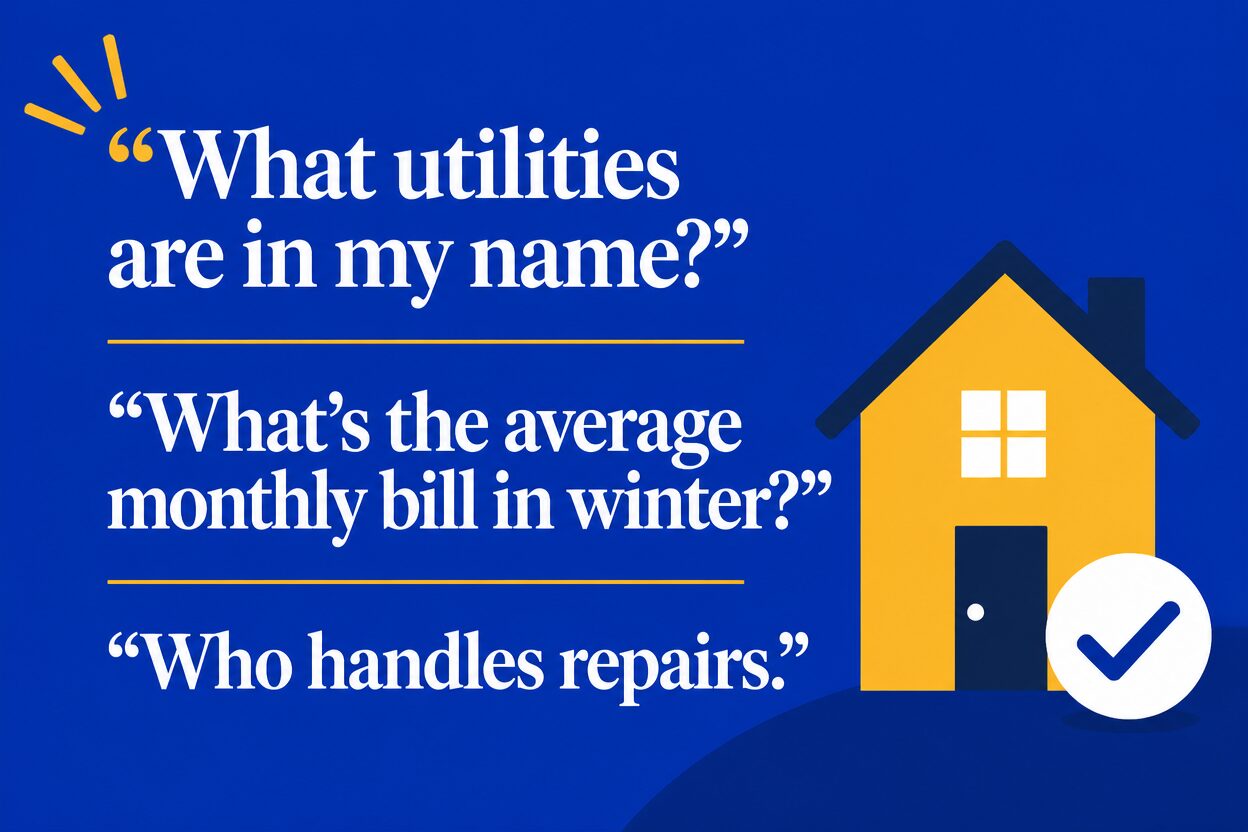
“What utilities are in my name?”
“What’s the average monthly bill in winter?”
“Who handles repairs. In-house or third-party?”
“What’s the renewal process like?”
You’re listening for confidence. Specifics. Or vague, slippery answers.
Take notes like you’re comparing car loans
Real talk: you won’t remember if Unit B had better water pressure than Unit C. Your brain will remember the nice couch someone staged and the view from the window. That’s not the rent. That’s marketing.
Write down the costs you can’t see. Fees. Parking. Pet rent. Trash. Storage. Those are the little charges that make a “good deal” quietly turn into a budget problem.
If you want a broader walk-through strategy beyond just timing, our complete rental property tour and negotiation guide is where we put the step-by-step approach we use with renters.
Red flags that mean the tour should take longer
Some stuff deserves extra minutes. Not because it’s fun. Because it’s expensive when you miss it.
Old buildings and “updated” units
Older buildings can be amazing. Also drafty. Also loud. Also full of charming little surprises like radiators that clang at 3 a.m.
When you hear “updated,” slow down. Open cabinets under sinks. Look for water stains. Check the caulk line around the tub. Turn on the bathroom fan. (If it sounds like a lawnmower, that’s your future.)
Anything that affects your monthly burn rate
We care about rent, obviously. But monthly burn rate is rent plus everything attached. If you’re trying to reduce housing costs, this is where tours pay off.
Take extra time if:
Heat is unclear (electric baseboard can bite).
Parking is “easy” but not guaranteed.
Laundry is off-site or coin-only.
Internet options are limited (some buildings basically force one provider).
And noise. Noise is huge. Stand still. Say nothing. Listen for footsteps above, the street, the neighbor’s TV. I used to ignore this. Turns out it’s the thing that makes people break leases early. Which costs money. Always.
How landlords and managers see tour length
This bugs some renters, but it’s useful: many landlords read tour length as a signal. Short tour plus quick application? They think you’re sold. Long tour plus lots of questions? They’re trying to decide if you’ll be a headache.
We don’t want you to be a headache. We want you to be calm and precise. Professional. The kind of tenant they keep.
Being thorough without sounding suspicious
You can take your time and still be smooth about it. Narrate what you’re doing. “I’m just checking outlets because I work from home.” “I’ve had mold issues before, so I always look under sinks.” Most managers relax when they understand the reason.
Use the tour to test the relationship
Ask for something small. Not a discount. Something like, “Can you email me the sample lease?” or “Can you confirm the move-in costs in writing?”
If they get weird about documentation, that’s not about you. That’s about how they operate.
For a more tactical checklist style approach (the stuff you can literally follow on your phone during a showing), you’ll like our rental property tour checklist for first-time renters.
FAQs for How long should a rental property tour take
Is a 10-minute tour a bad sign?
Usually, yes. Ten minutes can work if the unit is tiny and the agent is sharp and answers questions fast. Most of the time, a 10-minute tour means they’re trying to move you along. Or the unit isn’t ready. Or they’ve got back-to-back showings, and you’re just a time slot.
Push back a little. “Can I get two extra minutes to check the water pressure and windows?” A decent manager won’t care.
Should we tour the neighborhood too, and how long does that take?
Yes. Because the neighborhood is part of the rent. You’re paying for safety, noise level, parking reality, and your commute stress.
We recommend 10 to 20 minutes right after the showing. Walk one block in each direction. Peek at where you’d park. Check the nearest trash area. And if you can, come back at night another day. Different world.
Next step: pick a tour length, then tour with a purpose
Most renters do better with a 30 minute plan and a 45 minute calendar slot. Simple. You won’t feel rushed. You’ll leave with real notes, not just vibes.
And if your goal is lower rent, treat the tour like intelligence gathering. You’re spotting costs. You’re spotting risk. You’re figuring out what the landlord values. That’s the stuff we build into Rental Secrets, because negotiating isn’t magic. It’s information.