
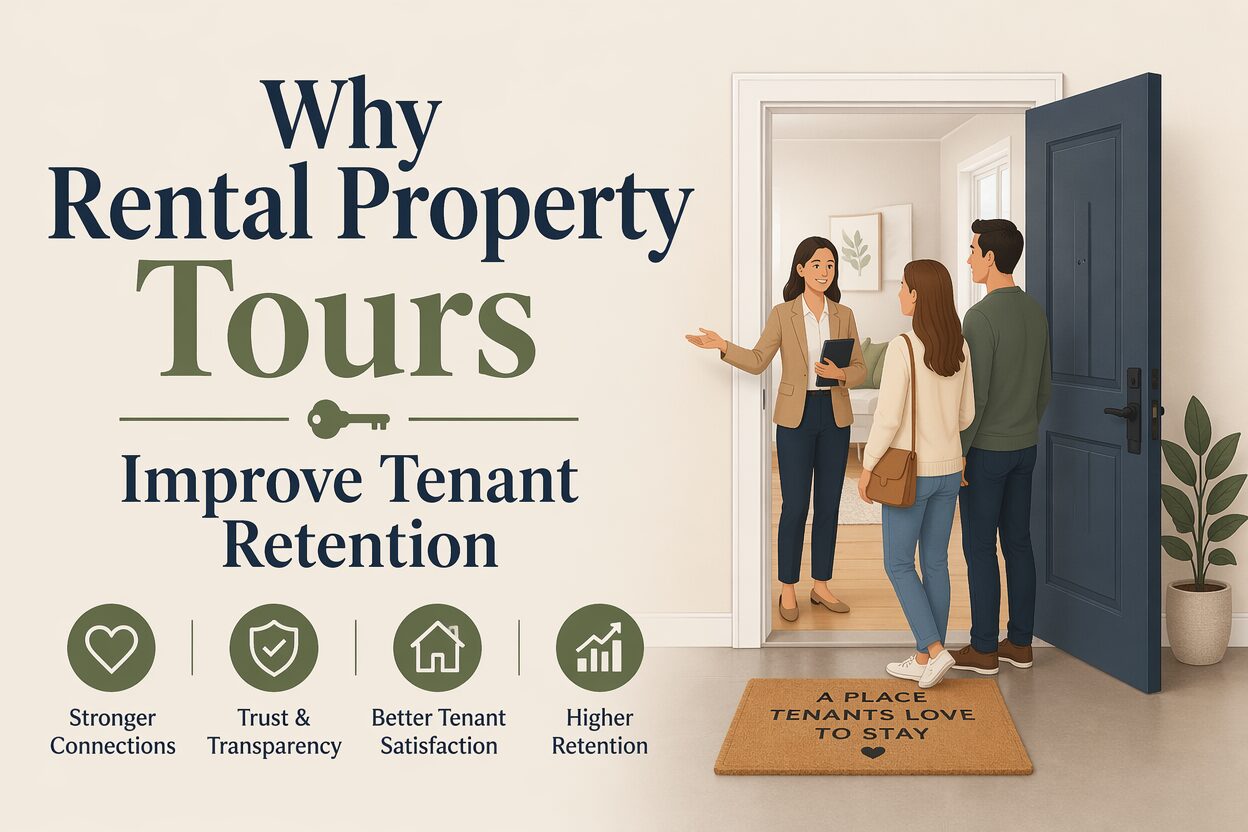
Rental property tours don’t just help you pick a place. They quietly decide whether you’ll want to stay there when life gets annoying. And life always gets annoying. A noisy neighbor. A leaky faucet. A rent bump notice that makes your stomach drop.
When tours are done well, you feel seen. You understand what you’re getting. You trust the person handing you the keys. That trust is basically the glue for tenant retention. We see it constantly at Rental Secrets when we coach renters and talk through what landlords are actually trying to accomplish.
Tours set expectations so nobody feels tricked later
Here’s the thing. Most move-outs aren’t just about money. They’re about disappointment. You thought you were getting one vibe. You got another.
When I work with clients on this, the first thing I ask is, “What did you think you were renting?” Not the address. The experience. Quiet mornings? Parking that isn’t a daily scavenger hunt? A landlord who answers texts?
The best tours show the annoying stuff on purpose
Counterintuitive, right? But a tour that points out quirks builds credibility. Like, “The bedroom gets hot in August. Here’s how past tenants handled it.” That kind of honesty keeps people from rage-moving later.
I used to think tours were just sales. Turns out they’re expectation management. The landlord who tries to hide the train noise is basically buying themselves a future vacancy.
Renters stay when the reality matches the preview
For budget-smart renters, moving is expensive. Deposits. Truck rental. Time off work. Childcare. Even the mental tax of changing your address everywhere. If the tour helps you accurately predict what living there feels like, you’re less likely to bail at renewal.
So, during tours, we recommend you ask blunt questions. Not rude. Just clear. “How fast do repairs usually happen?” “What complaints do you get most?” Watch how they answer. That’s data.

A tour is a relationship audition, not a walkthrough
Real talk: you’re not only touring the unit. You’re touring the management style.
And landlords are doing the same to you. They’re watching whether you’re respectful, organized, realistic. That’s not creepy. It’s screening. Their mortgage doesn’t care if a tenant “seems nice.”
Landlords who do tours well tend to manage well
In our experience, the operators who show up prepared for the tour usually follow through after move-in. They have keys ready. They know the basic answers. They don’t act annoyed that you want to see the water heater closet.
But when the tour is chaotic, that’s a tell. Like the agent doesn’t know the lockbox code. Or they can’t explain the parking rules. Or they shrug at “Who handles maintenance?” That’s the same energy you’ll get when your fridge dies.
Good tours create a tiny “we’re on the same team” feeling
People renew where they feel respected. It’s that simple. A tour is one of the only times you and the landlord are face-to-face and not stressed out yet. Use it.
One small thing that matters a lot. Tone. If you ask about utilities and they act like you’re difficult, imagine asking for a repair. If they treat your questions like normal adult questions, you’ll probably feel comfortable staying even when rent creeps up a bit.
If you’re a landlord or manager reading this, yeah, you’re busy. But the tour is where retention starts. Not at lease signing. Not at renewal time. Right there at the door.
Tours reduce future conflict about money and repairs
Conflict is expensive. For renters, it’s stress and sometimes lawyer time. For landlords, it’s turnover, vacancy, and a reputation that quietly scares off good applicants.
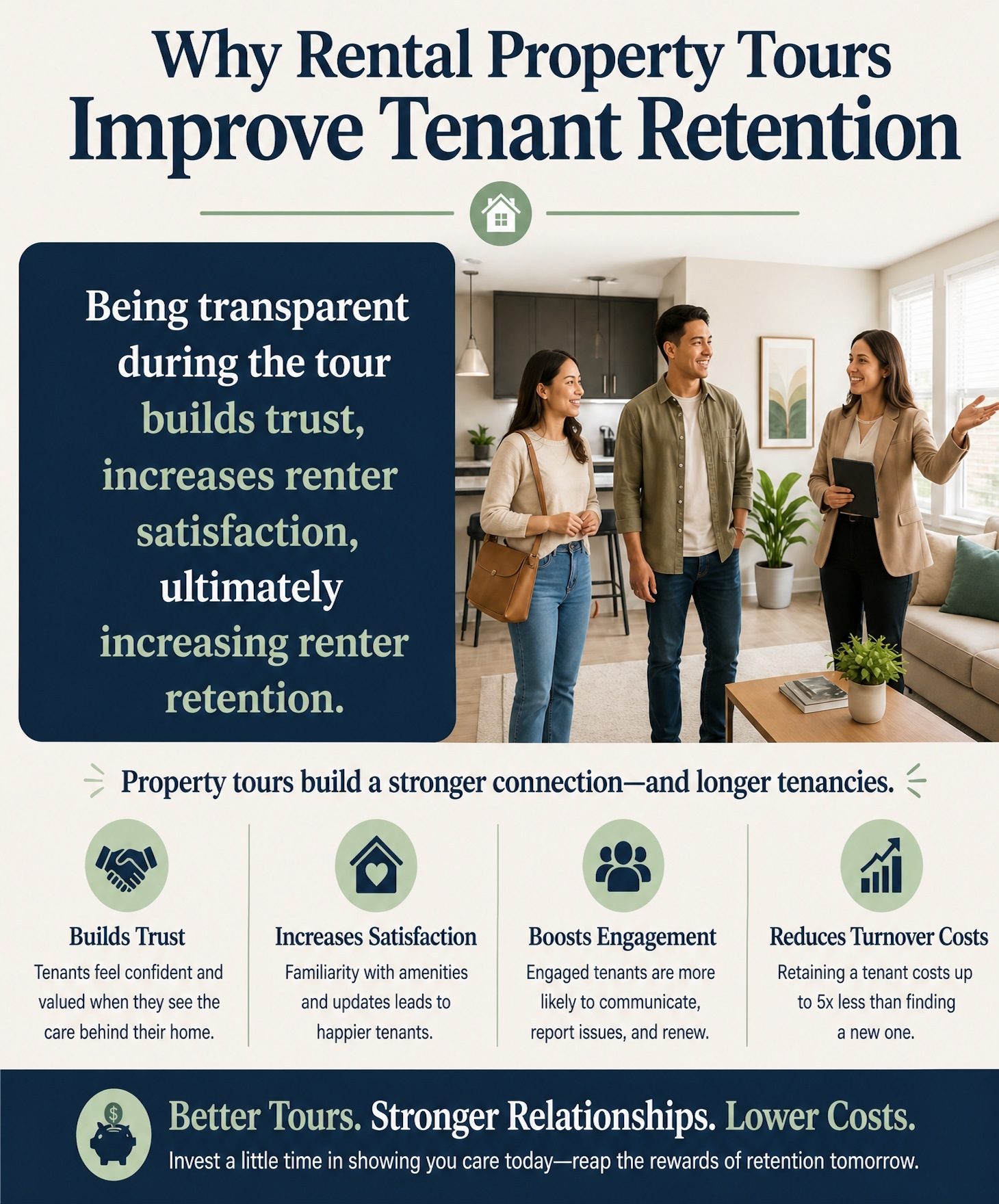
The tour can prevent a bunch of that. Because it’s where you clarify who pays for what, what’s included, and what “move-in ready” actually means.
Budget clarity keeps renters from panic-moving
I’ve seen this play out so many times. A renter thinks “utilities included” means all utilities. Then they get a $180 electric bill in July. They feel lied to. They start scanning listings even if the rent is decent.
During the tour, get specific. Ask what the average utility costs are for that unit, not “the building.” Ask whether trash, water, sewer, and common area electric are billed separately. Some places do RUBS. Some use submetering. Some just slap fees on top.
And for landlords, being clear here is a retention strategy. Surprise bills create resentment. Resentment creates turnover.
Maintenance expectations are set in the tour, whether you realize it or not
Look around. Are filters clean? Are windows opening smoothly? Are there old water stains on ceilings? A tour is basically a preview of the maintenance culture.
We recommend renters take a quick video during the tour (ask permission). Then email a short list of anything you noticed. Not a novel. Just a few items. That habit alone reduces deposit disputes later. Also. It signals you’re responsible. Landlords notice that.
Want more tactics like this? Our main guide to rental property tours for budget-smart renters gets into what to ask, what to document, and how to use the answers in negotiation without making it awkward.
Tours give renters leverage that supports staying longer
Okay, let’s talk negotiation. Because retention and negotiation are connected. A renter who starts the lease feeling like they got a fair deal is less likely to resent the place later.
This bugs me: people think negotiation is just about being pushy. It’s not. It’s about having receipts. Tours generate receipts.
Little tour details turn into real rent conversations
Example. You tour Unit A and notice the dishwasher is ancient and loud. You tour another place and it’s new. That’s value. Bring it up. Calmly. “This unit works for me, but the appliances are dated. Is there any flexibility on rent or move-in costs?”
Landlords respond better when you’re specific and reasonable. Not when you just say, “Can you lower it?”
At Rental Secrets, we teach renters to think like landlords think. Market rent. Vacancy cost. Turnover risk. A good tour gives you signals about how motivated they are. Are there multiple units empty? Is the leasing agent pushing for a same-day application? Is the place spotless or kind of… neglected? Those cues matter.
Quick checklist for renters during a tour
- Ask what fees exist beyond rent (parking, trash, admin, pest control)
- Check cell reception and internet options in the unit
- Test water pressure and hot water speed
- Look for signs of pests or moisture (under sinks, corners, baseboards)
- Confirm who to contact for repairs and typical response time
And yeah, this can feel intense. But moving is expensive. Being thorough is a budgeting skill.
If you’re a landlord, a renter asking these questions is often a keeper. They’re less likely to be surprised later. They’ll treat the unit like a real home, not a temporary crash pad.
Landlords who tour well keep good tenants longer
Thing is, retention is mostly about reducing friction. Tours can reduce friction before it exists. That’s why they matter so much.
Small tour habits that build long-term trust
I had a client who toured a place where the manager brought a simple printed sheet. How to pay rent. How to request maintenance. Quiet hours. Package policy. Nothing fancy. My client signed. Renewed twice. Not because the sheet was magic. Because it signaled competence.
Most of the time, tenants don’t leave a good situation. They leave confusion. They leave being ignored. They leave feeling like a number.
For managers, tours are a low-cost retention tool
You don’t need a fancy staging budget. You need consistency. Show up on time. Know the rules. Be clear about what’s negotiable and what isn’t. Say what the next steps are and follow through. That’s the whole thing.
We keep a running set of tour scripts and red-flag lists for our clients, and we update them as the market shifts. If you want more ideas geared toward owners and managers too, check out our rental property tours resources for landlords and property managers. It covers tour flow, messaging, and how to avoid the avoidable disputes that wreck retention.
FAQs for Why rental property tours improve tenant retention
Do virtual tours help with tenant retention too?
Usually, yes. But only if they’re honest. A shaky video that avoids the ugly corners doesn’t help. A solid virtual tour that shows layout, light, and actual finishes can prevent mismatched expectations. For retention, the goal is simple. The move-in experience should feel like, “Yep, this is what I saw.”
As a renter, how do I ask tough questions on a tour without hurting my chances?
Keep it practical. Use neutral phrasing. “What’s the process when something breaks?” lands better than “Do you actually fix stuff?” You can also frame questions as planning: “We’re budgeting for total monthly costs. Which utilities are billed separately?” Most decent landlords respect that. The ones who don’t. That’s useful information too.
Your next move after the tour
After a tour, don’t just ask, “Did I like it?” Ask, “Did I understand it?” That’s the retention question hiding in plain sight.
If you’re renting, take your notes and use them to negotiate calmly, plan your budget, and avoid surprise costs. If you’re managing property, treat the tour like the first maintenance request. Show competence. Show clarity. People stay where they feel taken care of.
Disclaimer: This article does not constitute legal advice.