

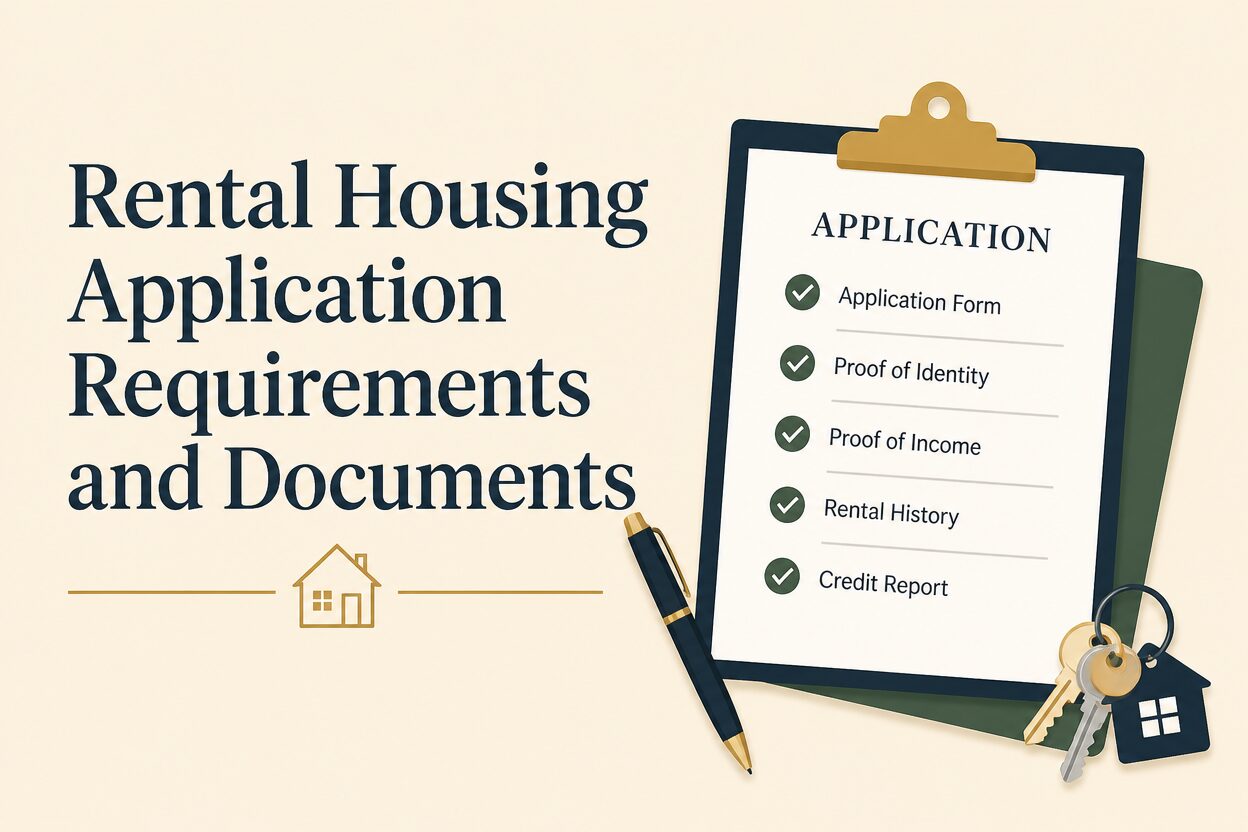
You’re trying to get approved. Fast. With as little hassle (and extra fees) as possible. Cool. The trick is knowing what landlords actually care about, and what paperwork proves it.
We teach this stuff at Rental Secrets because the application is where most renters lose negotiating power. Miss one document. Or hand over a messy screenshot. And suddenly you’re “the risky one” in a stack of similar applicants.
Let’s make you the easy “yes.”
What landlords are really screening for
Look, the form is long because it’s a filter. But most of the time the decision comes down to four questions.
Can you pay on time
Income and stability. That’s the headline. Pay stubs, offer letters, tax returns for self-employed folks. Sometimes bank statements. Not always, but it happens.
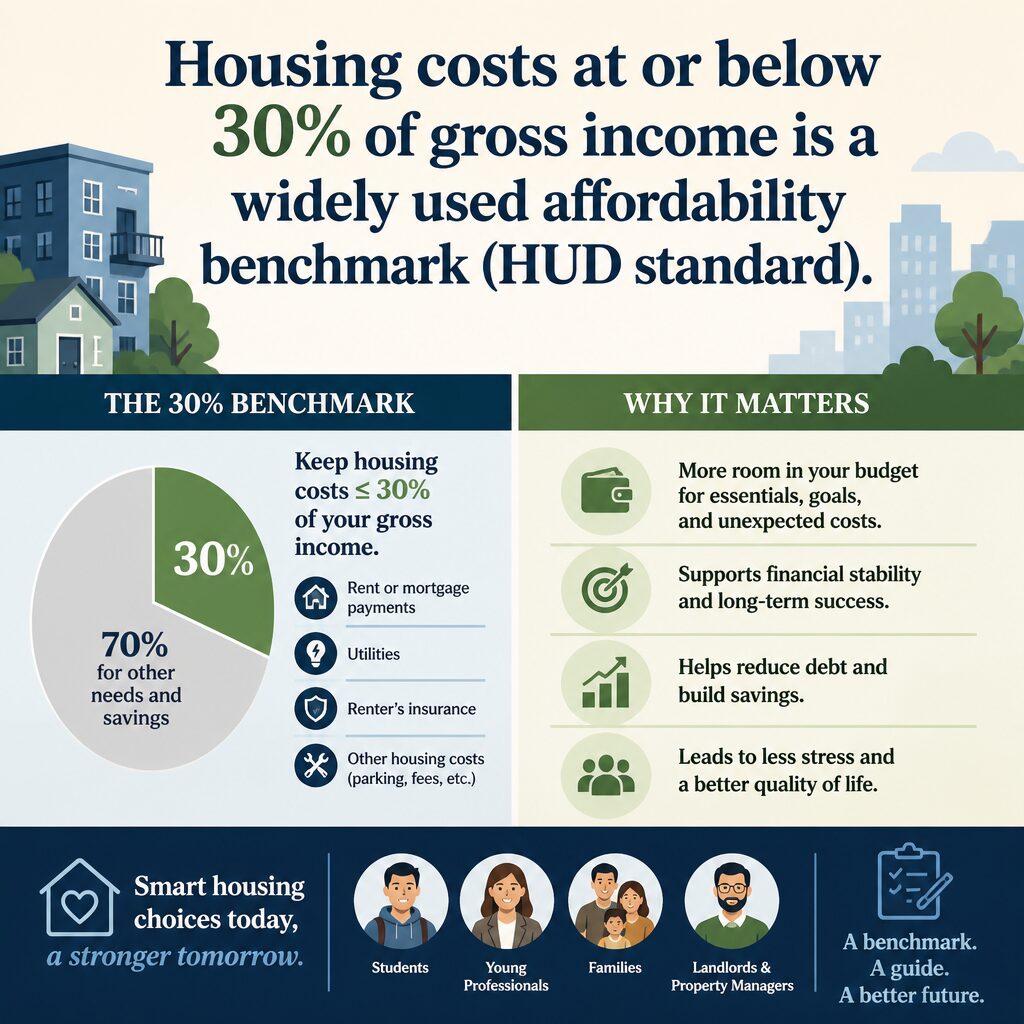
And yes, the math is blunt. Many property managers still use a simple rent-to-income rule of thumb, and the common one is the “30% rule.” Housing costs at or below 30% of gross income is a widely used affordability benchmark (HUD standard).
We’ve seen renters win approvals by reframing income. Not faking it. Reframing it. Like showing consistent deposits plus a signed employment contract. Clean. Easy to verify.
Will you take care of the place
This is where references and rental history do work. Landlords want proof you won’t create drama, damage, or a months-long mess.
I had a client who was a quiet, pay-on-time renter. But their application read like a ghost town. No previous landlord contact info. No context. They got passed over twice. Once we added a simple reference letter and a clear timeline of where they lived, they got approved in a week. Same person. Different packaging.
Are you who you say you are
Identity verification matters. Especially with fraud being what it is. Expect government ID. Expect SSN in many cases. Not every landlord. But a lot.
Identity checks aren’t just paranoia. The FTC received over 1 million identity theft reports in 2023. Landlords see those headlines too. And they react with more documentation requests.
Will you be easy to manage
Real talk: property managers are busy. They pick the applicant who looks organized and responsive. That’s not “fair.” It’s just how humans behave when they’re sorting fifty applications after work.
So your job is to be boring. In a good way.

The typical rental application document checklist
Most landlords ask for the same core set. The only big variable is how strict they are, and how much they’re willing to verify.
Proof of identity
- Driver’s license or state ID
- Passport (sometimes helpful for international students)
- Secondary ID (rare, but comes up in stricter buildings)
Our team sees avoidable mistakes here. Blurry photos. Cropped corners. Expired IDs. You’d be shocked how often that alone slows an application down.
Proof of income
- Recent pay stubs (often last 2 to 4)
- Offer letter or employment verification letter
- Tax returns or 1099s for contractors and self-employed
- Benefit letters (SSI, SSDI) when applicable
Keep it consistent. Name spelling. Employer name. Dates. When those don’t line up, the landlord’s brain goes: “Wait, what else is off?”
Credit and background authorization
Usually you’ll sign something that allows a credit report and sometimes a criminal background check. Some landlords pull it themselves. Some use a screening service.
And yes, your SSN often shows up here. If you want the deeper why (and what to do if you’re nervous about it), we cover it in our main guide. Guide to rental housing applications for renters and landlords.
Rental history
- Past addresses and dates
- Landlord or property manager contact info
- Reason for leaving (sometimes asked, sometimes not)
If you’ve moved a lot, don’t panic. Just be tidy. A simple timeline beats a scrambled memory dump.
References
References aren’t always required. But when they are, landlords tend to want someone who can speak to reliability. A prior landlord is gold. A boss can work. A roommate is… fine, depending on the landlord.
And please don’t list a reference who won’t answer calls. That’s an instant vibe-killer.
Bank statements
These pop up when income is variable, when you’re self-employed, or when you’re using savings to qualify. Some landlords ask for them as a substitute for pay stubs. Some ask for them in addition. Not our favorite trend. But it’s common.
Here’s the boundary: you can usually redact account numbers and unrelated transactions (ask first, then redact cleanly). Don’t scribble over things with a marker and send a photo. It looks sketchy even when it’s innocent.
Application fees and holding deposits
Fees vary. What matters is getting the terms in writing. What happens if you’re denied. What happens if you’re approved but decide not to sign. Landlords who are on the up-and-up will answer this clearly.
We’re big on renters asking one simple question: “Is the unit still being shown while my application is processed?” The answer tells you a lot.
How to prep your documents so you look like the obvious choice
You can have the right documents and still lose. Presentation matters. Annoying, yes. True, also yes.
Create a clean application packet
We like one PDF per category. Not 17 screenshots in a text thread. Name your files like a grown-up. “Paystubs_April-May_2026.pdf” beats “IMG_4482.jpg.”
Order matters too. Put the easiest-to-verify stuff first. ID. Income. Rental history. Then the extra context.
Handle gaps and weirdness before they ask
Employment gap? School transition? New city? Say it plainly. One or two sentences. No drama.
I used to think you should never mention a gap unless asked. Turns out that backfires. Landlords see the gap anyway. A calm explanation reads like stability. A blank space reads like risk.
Keep your story consistent across forms
This bugs me because it’s so fixable. People put one address on the application, a different one on the background check, and then wonder why screening “takes forever.” It’s because someone is trying to reconcile mismatched data.
Consistency speeds verification. And speed matters when units are competitive.
Get references ready before you apply
Text your reference first. Ask if they’re comfortable being contacted this week. Tell them what building you’re applying to. Not a script. Just a heads-up.
Landlords don’t need a novel. They want quick confirmation that you pay, communicate, and don’t leave surprises.
Special cases that trip people up
These are the situations we see constantly. Students, freelancers, families blending incomes, recent immigrants. The paperwork can still work. It just needs a different angle.
Students and first-time renters
No credit. No rental history. That’s not a moral failing. It’s just a thinner file.
Common fixes: a co-signer or guarantor, proof of financial aid, a part-time job offer letter, or a bigger upfront deposit where legal and allowed. Some buildings have formal guarantor requirements, like income multiples. Ask early. Do it before you’ve paid the application fee because you won’t get it back if you don’t qualify.
Self-employed and gig workers
You’re going to get asked for more. Usually tax returns, 1099s, and bank statements. Sometimes a year-to-date profit and loss statement. If you have an accountant, a letter can help. But a clean set of bank statements with obvious recurring income can do a lot.
We’ve seen landlords relax when the deposits are consistent. They get nervous when it’s feast-or-famine and unexplained.
Families combining incomes
When multiple adults apply, landlords often want documents for each person. Income for all earners. IDs for all adults. Sometimes separate screening fees. It adds up.
One practical move: decide who’s actually going on the lease before you apply. Too many applicants can complicate approval. Too few can weaken income. It’s a balance.
New to the country or rebuilding credit
Traditional credit scoring doesn’t always capture reality. If you’re new, you might have great payment habits and zero US file. If you’re rebuilding, you might have a low score but strong current stability.
Landlords are starting to acknowledge this. FICO has estimated that tens of millions of US adults are “credit invisible” or unscorable (often cited as the situation for 45 million US adults). Some property managers will accept alternatives like larger deposits, proof of savings, or reference letters. Ask. You won’t know until you ask.
Landlord side tips for better relationships and fewer headaches
We work with landlords too. And honestly, a smoother application process reduces turnover and resentment. It’s good business.
Tell applicants exactly what you need
A short checklist beats vague instructions. Applicants send fewer random documents. You spend less time chasing missing pieces. Everyone breathes easier.
Be transparent about screening criteria
Don’t make renters guess. If you require a guarantor for students, say that. If you won’t accept savings as income, say that too. The fastest way to a bad landlord-tenant relationship is starting with confusion.
Move quickly when you can
Renters remember how you treated them during the application process. That tone carries into the lease. Slow responses, unclear fees, and “we’ll see” answers create distrust. And distrust turns into early move-outs.
From the renter side, speed is also a negotiation tool. When a landlord knows you’re ready today, you sometimes get better terms. That’s a big part of what we teach at Rental Secrets: understanding the landlord’s timeline and using it to your advantage.
Bottom line takeaway
Rental applications aren’t just paperwork. They’re a credibility test. Bring clean documents. Make verification easy. Explain the weird parts before someone imagines a worse story.
These tips to make reaching approval easier are just the beginning. Getting approved with better terms is where our approach at Rental Secrets really shines. You’re not begging. You’re presenting a solid application file. Then negotiating from a stronger position.
Disclaimer: This article does not constitute legal advice.