
Clear landlord communication during the application stage sounds boring. It’s not. It’s the moment where deals get made. Lower rent. Better terms. Faster approvals. And yeah, fewer headaches for landlords who just want a solid tenant who pays on time and doesn’t create chaos.
At Rental Secrets, we spend a lot of time translating what landlords actually mean. And what renters can say back without sounding needy or combative. That’s the sweet spot.
If you want the full context on applications, screening, and negotiating from the jump, jump to our guide to rental housing applications for renters and landlords. Then come back here for the communication part. Because this is where people either build trust. Or blow it.
Why application stage communication decides the relationship
Look, most renter-landlord drama doesn’t start with a broken dishwasher. It starts with “Why are they asking me for this?” and “Are they ignoring me?” during the application process.
When I work with clients on this, the first thing I check is tone and timing. Not the paperwork. Tone and timing. The stuff nobody thinks matters. Until it does.
Speed signals respect
Renters read silence as rejection. Landlords read repeated messages as desperation. Both are understandable. Both can be managed.
Responding fast doesn’t mean promising anything. It means you’re present. And it cuts down on spiraling.
Zillow reported that about 87% of renters have at least one regret from their last move. A big chunk of that regret comes from rushed decisions. Communication pace is a pressure valve. Slow the panic down.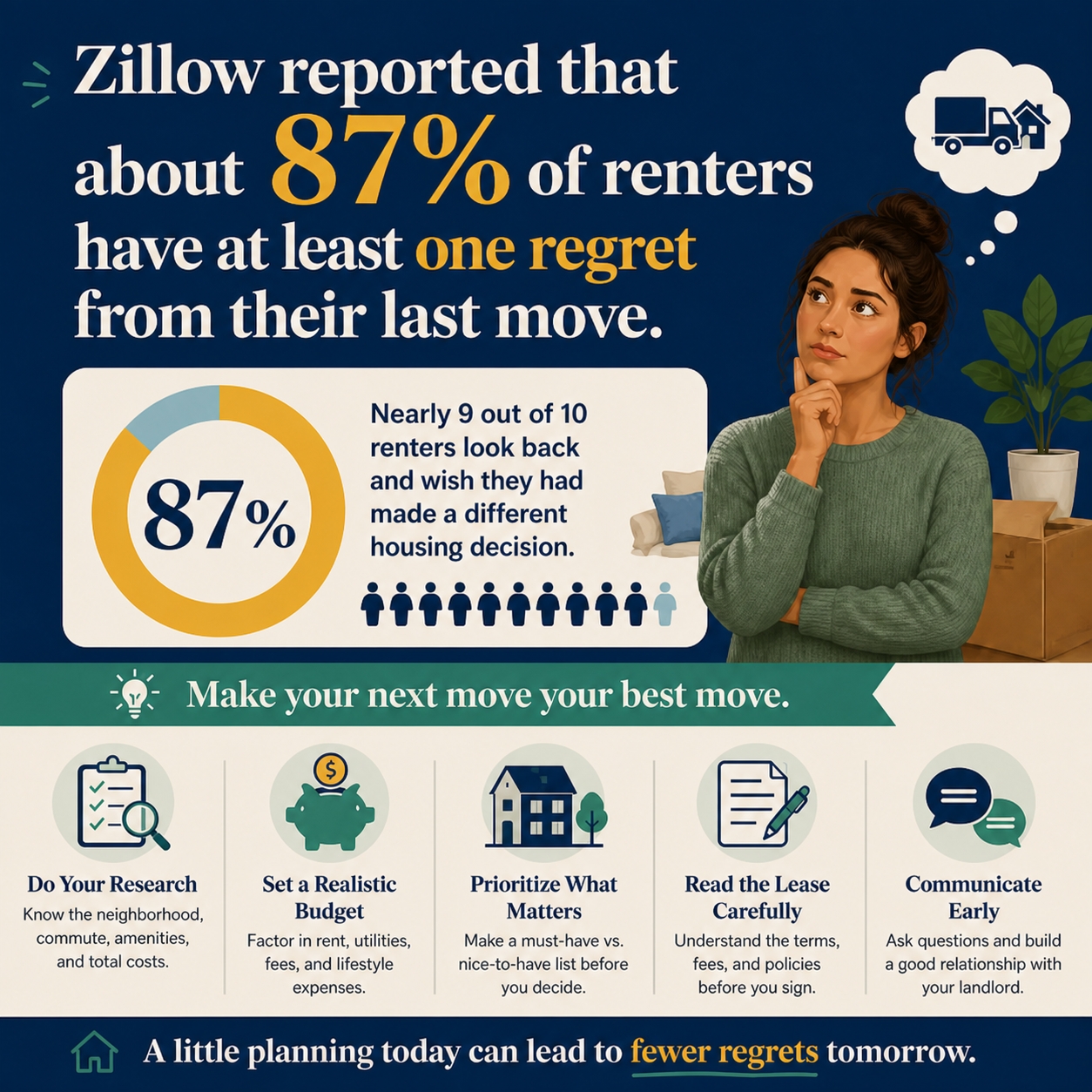
Clarity prevents the angry email later
Landlords: if you’re vague about criteria, you’ll get arguments. You’ll also get people trying to “explain” their way around your policy. That’s exhausting.
Renters: if a landlord is vague, you can still ask for clarity without sounding like you’re challenging them. It’s a skill. And honestly, it’s cheaper than applying blindly over and over.

Explain screening criteria without sounding cold
Real talk: “We have strict criteria” is not an explanation. It’s a vibe. And the vibe is usually “don’t bother.” Sometimes that’s intentional. Usually it’s just lazy writing.
Landlords should say what they check and what they do not
What actually works is a short list. Credit. Income. Rental history. Background. Timeframe. That’s it. One paragraph.
And add what you don’t do. For example: “We don’t accept applications before tours” or “We don’t take holding deposits.” The fewer mystery steps, the fewer accusations later.
The Federal Trade Commission received 1.1 million identity theft reports in 2022. That’s why renters get skittish about sharing sensitive info. The more transparent you are about what you’re collecting and why, the less resistance you’ll face.
Renters can ask for the criteria in a way landlords like
Here’s a line we’ve tested a lot:
“Before I submit, can you confirm your screening criteria and what documents you’ll want, so I don’t miss anything?”
It’s polite. It’s organized. It also signals you’re not going to be a problem tenant. That’s the subtext. Landlords notice.
And if you’re trying to negotiate later, this sets you up as reasonable. Not difficult.
Follow up without annoying anyone
This bugs me. People either never follow up. Or they follow up like they’re pounding on a locked door.
The middle path works best. Simple. Sparse. Specific.
Timing that tends to work
For renters: one follow-up the next business day is fine. Two follow-ups in 48 hours? Usually too much unless the unit is clearly moving fast.
For landlords: set expectations up front. “We usually respond within X business days.” Even if X is not lightning fast, it’s still better than radio silence.
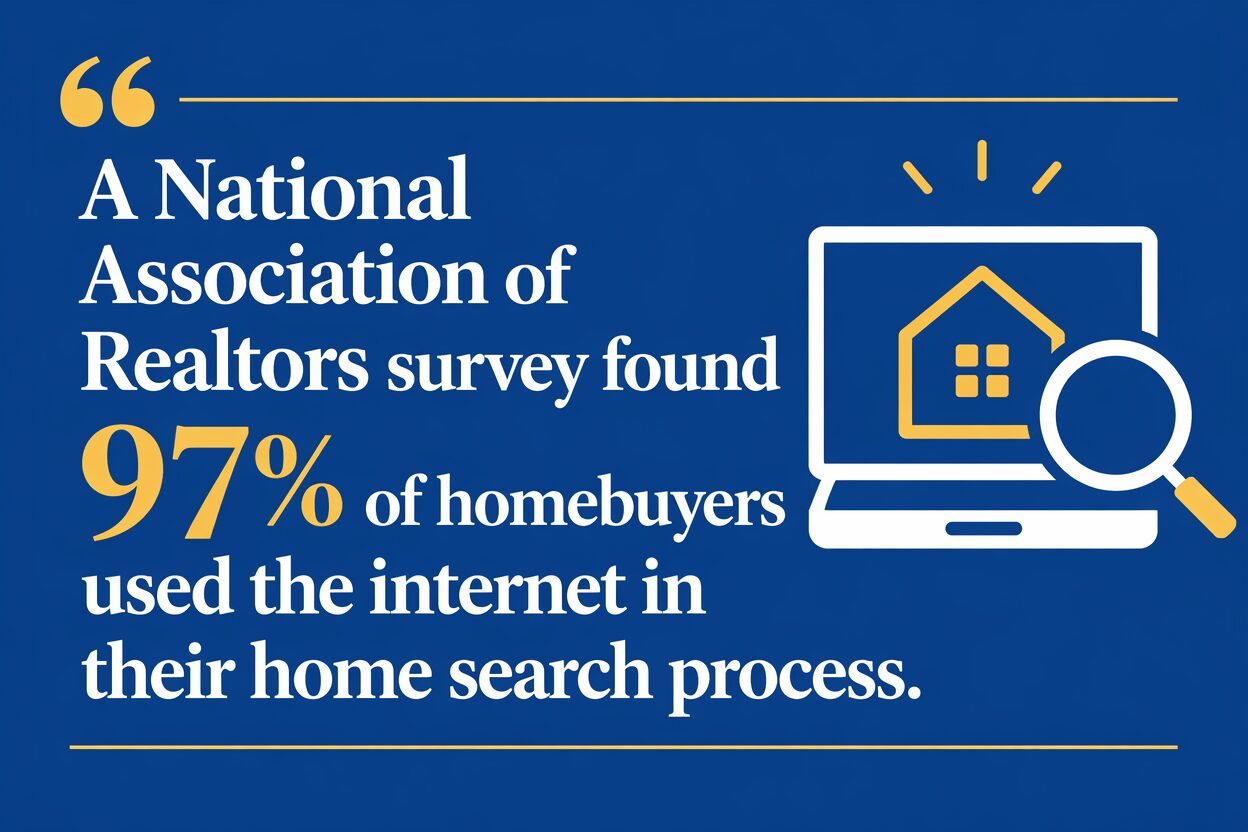
A National Association of Realtors survey found 97% of homebuyers used the internet in their home search process. Renters behave similarly. They’re comparing options constantly. When you don’t set a timeframe, you lose people to the next listing.
Email scripts that don’t feel robotic
Renter follow-up:
“Hi [Name], quick check-in. I submitted my application for [address/unit] on [day]. Anything else you need from me to keep it moving?”
Landlord follow-up after receiving an application:
“Thanks, we received everything. We’re reviewing now and expect an update by [day]. If we need anything else, we’ll reach out.”
Notice what’s not in there. No overexplaining. No guilt. No “just making sure you saw this” stuff.
Handling extra document requests without triggering distrust
Extra requests are normal. But they’re also where people start thinking they’re getting scammed or singled out. Fair.
Landlords should explain the reason, not just the request
Don’t write: “Send bank statements.” That’s how you get blocked.
Write: “Because your income is commission-based, we verify using the last 2 months of statements (you can redact unrelated transactions).” Now it’s a process. Not a power move.
The FTC reported that consumers lost billions to fraud in 2022, and online contact was the most common way people reported being approached. So yeah, renters are cautious. A tiny bit of context reduces the fear.
Renters can protect themselves and still cooperate
We tell renters to do three things.
One, confirm the request is coming from a legit channel (the property’s official email, or a verified portal). Two, redact nonessential info. Three, offer an alternative if the request feels too invasive.
A decent alternative line:
“I can provide pay stubs and an offer letter today. If you still need statements, can you confirm what fields you need so I can redact the rest?”
That’s not defiant. It’s careful. Landlords who know what they’re doing won’t be offended.
Fairness when multiple applications are coming in
Multiple applications can turn into a mess fast. Especially when landlords say “first come, first served” but then quietly pick the strongest file. Which is common. And it’s exactly why renters feel jerked around.
Landlords should pick a method and say it out loud
Choose one approach. Timestamp order. Best-qualified. Lottery after minimum qualifications. Whatever. But state it.
And if you’re doing “best-qualified,” don’t overpromise. Say “We review applications in the order received, and select the most qualified applicant.” That’s honest. It also reduces the “but I applied first” argument.
HUD’s 2023 Annual Homeless Assessment Report counted about 653,000 people experiencing homelessness on a single night. Housing scarcity makes competition feel personal. Clear rules lower the emotional temperature. Not completely. But enough.
Renters can ask where they stand without sounding pushy
Try this:
“Are you reviewing applications in the order received, or comparing all that come in by a certain deadline?”
You’re not demanding a decision. You’re asking about the process. That’s a normal question. It also tells you whether you should keep touring other places (usually yes).
Using communication to negotiate rent and terms
This is the part people get weird about. They think negotiation is some dramatic standoff. It’s not. It’s often a calm conversation after you’ve shown you’re low-risk.
Our experience at Rental Secrets is that how you present yourself does most of the heavy lifting before you ever bring up rent. Being organized. Being responsive. Being honest about your timeline. That’s what makes a landlord listen.
For renters: negotiate like a stable adult, not a bargain hunter
I had a client last month (young professional, new city) who wanted a lower monthly rate. We didn’t open with “Can you lower the rent?” We opened with reliability.
We sent a clean packet. Pay stubs. References. Credit explanation (short, not emotional). Tour done. Questions answered. Then we asked.
Try:
“We love the place. If we sign a [longer] lease and can move in on your preferred date, would you consider a slightly lower rent or a small concession like a reduced increase at renewal?”
Keep it specific. And don’t stack ten asks in one message. One or two. Max.
For landlords: retention starts before the lease is signed
Landlords who communicate clearly during screening tend to get fewer mid-lease blowups. That’s been true in our files for years.
And you don’t need to “give away” anything. Sometimes retention is just consistency. Same rules. Same response time. Same move-in expectations.
The U.S. Census Bureau’s 2023 Housing Vacancies and Homeownership release put the rental vacancy rate at 6.6%. In tighter markets, tenants have options. In softer ones, landlords do. Either way, your communication style is part of the product.
After approval or denial, what you say affects reviews and renewals
Approval messages are underrated. Denials even more so. This is where reputations are made. Or lost.
Approval messages should include next steps and deadlines
Renters: Ask what happens next. Don’t assume you know. Some places want a holding deposit. Some want the full security deposit. Some want utilities switched before keys.
Landlords: Write the steps like you’re explaining it to a distracted person. Because you are.
Simple structure. “Approved.” “Here’s what we need.” “Here’s the deadline.” “Here’s how to pay.” “Here’s when you get keys.” Done.
Denial messages should be short and compliant
Landlords, don’t overshare. Don’t get chatty. If you used a consumer report, you’re in Fair Credit Reporting Act territory. Send the proper adverse action notice. Follow your process.
Renters, don’t argue in the moment. Ask what you can do differently next time. Or ask whether a higher deposit or a guarantor changes anything. Some landlords will say no. Some will surprise you.
The Consumer Financial Protection Bureau notes that errors on credit reports are common enough that it’s a recurring enforcement and complaint area. So if you get denied for credit, it’s not always “your fault.” It can be data. Ask calmly. Then verify. After that, the next step is to hook up with our partner, Rental Kharma, to get some strategies to clear up your credit report.
Communication habits that lead to renewals
Renewals are boring. That’s why they’re profitable for landlords and comforting for renters. Less moving. Less application fees. Less stress eating. Win-win.
Landlords: predictable contact beats friendly chatter
Being friendly definitely helps. But, it turns out predictability beats friendliness most of the time. Predictablity keeps people.
Start renewal conversations early. Give a clear window. And don’t make tenants hunt for answers about increases, timing, or paperwork.
Renters: keep a paper trail and a calm tone
Even if you text, email the key stuff. Repairs. Agreements. Move-in conditions. Renewal terms. It’s not paranoid. It’s adult.
And when something goes wrong, don’t start with accusations. Start with facts. Date. Issue. What you’ve already tried. What you’re asking for. You can be frustrated. Just don’t be chaotic.
The American Psychological Association has reported that a large majority of adults say money is a significant source of stress. Housing is the biggest monthly stressor for a lot of people. Calm, documented communication lowers the background noise.
Wrap it up with one rule
Here’s the rule we come back to at Rental Secrets. Make the process feel fair. Even when the answer is no. Even when you’re asking for something. That tone carries into the lease.
Renters who communicate clearly get more options. Landlords who communicate clearly get better tenants and fewer early move-outs. It’s not magic. It’s just how people react when they don’t feel jerked around.
Disclaimer: This article does not constitute legal advice.