

Denials sting. And they’re rarely personal, even though it feels personal. Most rental housing applications get denied for a handful of repeat reasons: risk, math, missing info, or a landlord’s insurance and policy boxes not getting checked. That’s the boring truth. The useful truth is you can usually spot the issue before you apply. And fix it. Or at least pick buildings where you’re not walking into a dead end.
The landlord is doing a risk check, not a vibe check
Look, landlords don’t wake up excited to reject people. A vacancy costs money. But a bad placement costs more. So the screening process turns into a risk filter.
When I work with renters on this, the first thing I ask is: what does this landlord get punished for? Late rent. Lease violations. Evictions. Insurance claims. Angry neighbors. Stuff like that.
Income is the obvious tripwire
Most places run some version of an income-to-rent test. Sometimes it’s 3x the rent. Sometimes it’s 2.5x. Sometimes it’s net, not gross (sneaky). If your pay is variable (tips, gig work, commission), you can “feel” financially stable and still fail their spreadsheet.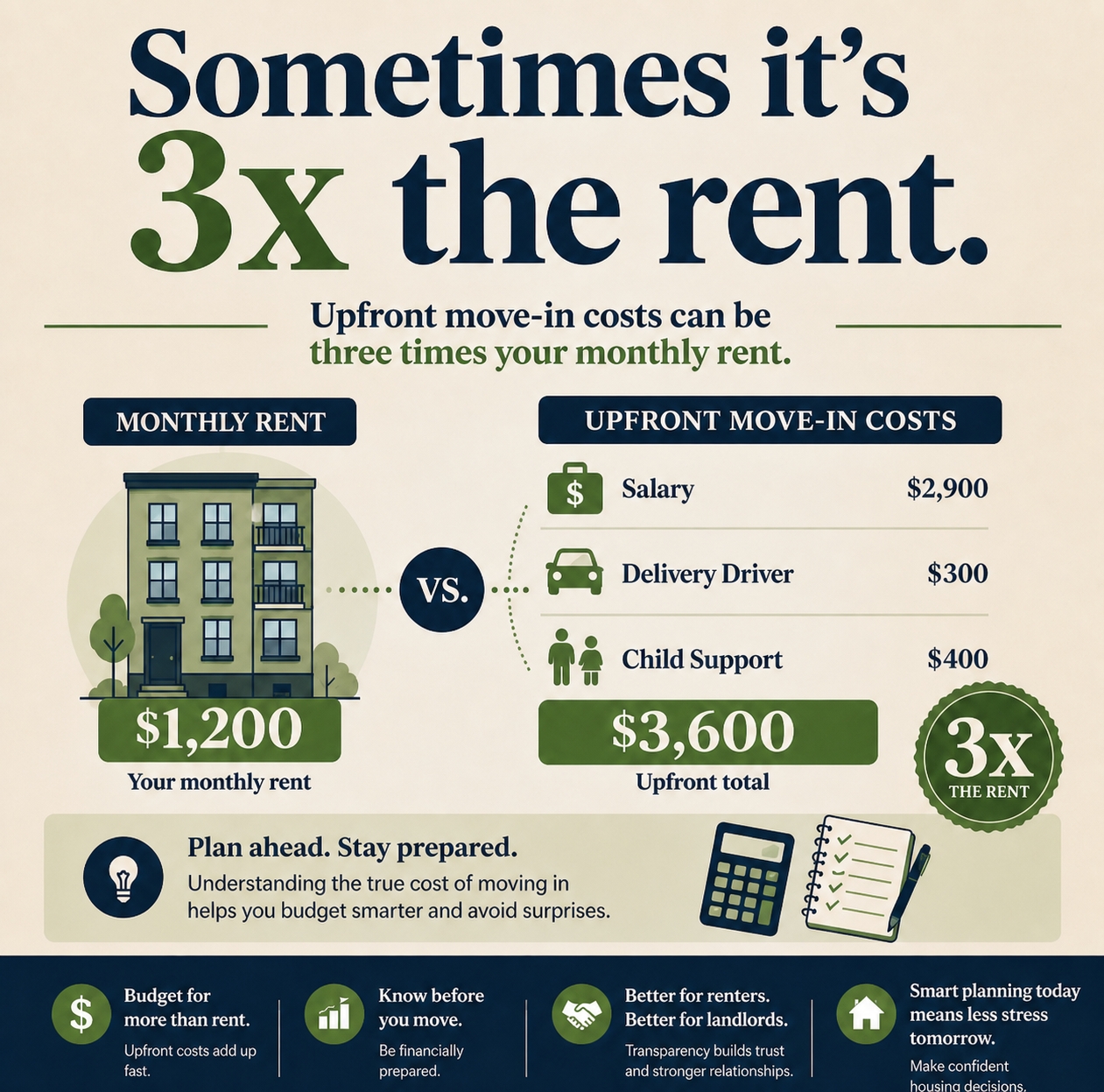
And yes, it gets weird for students and new grads. A part-time job and a summer internship might be plenty for your life. A property manager may see “inconsistent” and hit decline.
Real talk: if you’re right on the line, don’t let them guess. Bring documentation that tells the story fast. Offer letter. Recent bank statements (redact what you need). A guarantor packet ready to go.
Credit is rarely about the score alone
I used to think denials were basically “low score, no apartment.” Turns out landlords often care more about patterns than a single number.
Common patterns that spook them:
- Recent late payments (even one, if it’s fresh)
- Collections from utilities or a prior landlord
- High revolving utilization (cards maxed out)
- Thin credit file (young renters get hit here)
- Recent bankruptcy (some accept it, many won’t)
One exception. Some smaller landlords don’t even pull full credit. They’ll take a higher deposit or prepaid rent instead. Not always allowed, depending on local rules. But it happens.

Missing or messy paperwork quietly kills applications
Thing is, a lot of denials are really “we can’t approve this because the file’s a mess.” Landlords won’t always call it that. They’ll say “we chose another applicant.” Cleaner file wins.
Inconsistencies are treated like lies
It bugs me, but it’s true. A typo on your start date. Two different income numbers. A job title that doesn’t match your pay stub. That can read as fraud, even when it’s just you filling out forms at 11:47 pm with three browser tabs open and your roommate asking about pizza.
I had a client who got denied because their employer described them as “contractor” on a verification call, while the applicant wrote “full-time.” Same work. Same hours. Different label. The manager thought it was a bait-and-switch.
Fix: align your story. Use the same income figure everywhere (gross monthly is easiest). If you’re a contractor, say it and bring extra proof.
Verification delays make you lose the race
Some landlords approve in order. Some approve the first complete file that passes. So if your HR department takes three days to respond, you can “lose” even with perfect credit.
What actually works is pre-assembling your packet. We push this a lot at Rental Secrets because it’s boring but powerful. A tidy application package can be the difference between negotiating and begging.

If you want the bigger flow, our full walk-through of rental application strategy for renters and landlords lays out what to prep, when to send it, and how to avoid getting stuck in verification limbo.
Rental history and references can sink you fast
Landlords love predictable. Rental history is the closest thing they get to a preview.
Prior evictions and balances are often automatic no
An eviction filing, even if it didn’t end in a lockout, can trigger an auto-decline with many screening systems. Same with an unpaid balance to a prior property.
And here’s a detail people miss: some properties share data through screening vendors. You might not be “blacklisted” in a dramatic sense, but the debt can follow you like a bad smell.
If you’ve got an old balance, paying it and getting a settlement letter helps. Won’t fix everything overnight. But it changes the conversation from “unpaid” to “resolved.” That’s a different vibe.
Landlord references are messy and unfair sometimes
Honestly? Some former landlords will say you were great. Others won’t respond. Some will unload a grudge. I’ve seen it.
If your last situation was complicated (roommate drama, breakup, noisy neighbor, job loss), don’t hide it and hope they won’t call. Control the narrative early in a short note. Two or three sentences. Calm tone. No novel.
Also. If you’re coming from a first-time renter situation, or you lived with family, you’re not doomed. You just need substitute proof: a co-signer, proof of on-time bill payments, a bigger savings cushion, or a letter from an employer. Landlords vary wildly on what they’ll accept.
Policy and compliance rules block approvals, even for great applicants
Now, this one surprises people. You can be financially solid and still get denied because of a rule that isn’t about you as a person.
Occupancy limits and roommate setups
Two adults in a one-bedroom is usually fine. Three adults in a one-bedroom can trigger occupancy standards, building rules, or local codes. Families run into this in the opposite direction. A landlord might misunderstand what’s allowed. Or over-apply a rule to be “safe.”
Roommate matching can also create problems. Some properties require all adults to qualify individually. Others average. Others accept “strong plus weak” only with a guarantor. If you don’t know their method, you’re guessing.
That’s why we tell renters to ask screening questions before paying fees. You’re not being annoying. You’re being cost-conscious.
Pets, assistance animals, and insurance constraints
Pet policies can lead to denial even when everything else is perfect. Breed restrictions. Weight limits. Pet count limits. And sometimes it’s not the landlord denying you. It’s their insurance.
Assistance animals are a separate legal category. Still, documentation mistakes are common. People overshare. Or send the wrong form. Or the landlord mishandles it. The situation gets tense fast.
If you’re dealing with a property manager who seems rigid, it helps to understand the approval process and where discretion lives. We cover a lot of that on our rental application screening and approval process page. Not theory. Practical stuff.
How to reduce denials and use the moment to negotiate
So, what do you actually do with all this? You don’t just “apply harder.” You apply smarter. And you protect your wallet.
Ask the right questions before you pay an application fee
I know. It feels awkward. But a $50 to $100 fee adds up fast when you’re hunting. Ask what their minimum credit standards are. Ask how they treat student income. Ask whether they accept guarantors and what the guarantor has to show. Ask if they approve first qualified, or compare applicants.
Some leasing folks will dodge. That’s information too.
Turn a weak spot into a controlled offer
Here’s where Rental Secrets thinking comes in. Landlords aren’t only picking tenants. They’re also pricing risk.
If you know what looks “risky” in your file, you can sometimes counter with something that reduces their anxiety without overpaying rent for 12 months.
Examples we’ve seen work (depends on local law and the building):
Offer a longer lease if they’re worried about turnover. Offer autopay. Offer a co-signer packet up front. Offer proof of savings when income is seasonal. Sometimes you can even negotiate the rent down when your file is strong and the unit has sat a bit. Vacancy pressure is real. You just have to spot it.
And by the way, this won’t work if you’re trying to rent way above your budget. No magic words fix that.
FAQs for Why do rental housing applications get denied
Can a landlord deny me without telling me why?
Usually, yes. Many landlords will simply say they chose another applicant. But if they used a consumer report (credit, background, eviction screening) and that report influenced the decision, they often have to give an adverse action notice with info on the reporting agency and your rights to request a copy. The exact rules vary, but that notice is the breadcrumb trail.
Is it better to apply alone or with a roommate?
Depends on how the property qualifies people. Some require each adult to meet the income and credit minimums. In that case, a weaker roommate can torpedo the whole thing. Other properties combine income, which can help. Ask before applying. And if one person is clearly stronger, sometimes it’s cleaner to have them as the sole leaseholder and the other as an approved occupant, if the building allows it.
A simple next step before you apply again
Pick one application you lost. Rebuild the file like a landlord would. Income proof. Credit story. Rental history. Any policy conflicts. Then adjust your target units and your pitch.
Denials feel random when you’re guessing. They feel a lot less random when you understand the boxes they’re checking. That’s the whole thing.
Disclaimer: This article does not constitute legal advice.