

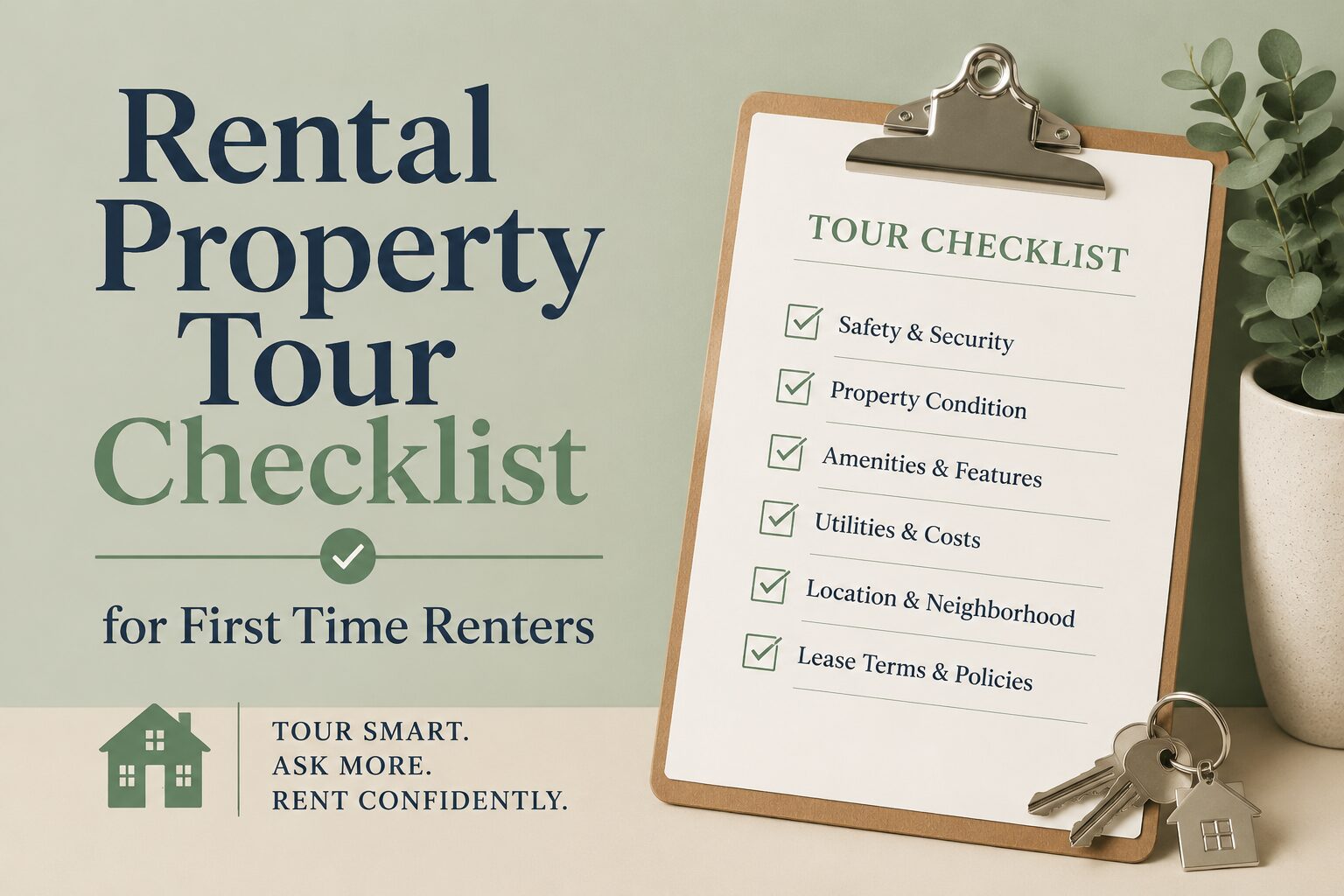
Show up with a checklist. Seriously. Rental tours go fast, and your brain goes blank the second you smell fresh paint and hear “it’ll go quick.” This is our actual, field-tested rental property tour checklist for first-time renters. Budget-minded. A little skeptical. That’s a good thing.
And yeah, we’ll talk negotiation too. That’s what we do at Rental Secrets. We teach renters how landlords think. Not to be sneaky. To be prepared.
Before you walk in
Confirm the basics before you waste a trip
Look, don’t tour a place you can’t actually rent. Ask for the rent, deposit, lease term, and what’s included (trash, water, parking). Get it in writing if you can. Text counts.
Also ask: “What’s the exact move-in date?” I’ve seen people fall in love with an apartment that was “available now” (meaning, available in 5 weeks after cleaning, repairs, and paperwork).
One more thing. Screening. Many landlords use a credit-based screen.
FICO says about 90% of top lenders use FICO scores in credit decisions. A lot of rental screening models lean on the same ecosystem, so knowing your score range before tours saves you from awkward surprises.

Know your non-negotiables and your nice-to-haves
Write down 3 deal-breakers. Not 12. Three. Like “no first-floor units,” “must allow my cat,” or “must be near the bus line.”
Then write 3 “would be nice” items. Dishwasher. In-unit laundry. A balcony you’ll use twice. You get it.
This keeps you from getting emotionally adopted by an apartment that doesn’t fit your real life.
Bring a simple kit
You don’t need to look like a home inspector. But you do want receipts, basically. Bring:
- Your phone (photos, video, notes)
- A charger (tours drain batteries fast)
- A small flashlight (closets, under sinks)
- A tape measure (bedroom reality check)
- Headphones (quick noise test)
Want a tighter packing list? We wrote a separate piece on what to bring to a rental property tour. But don’t overthink it.
First five minutes on the tour
Do the vibe check but make it practical
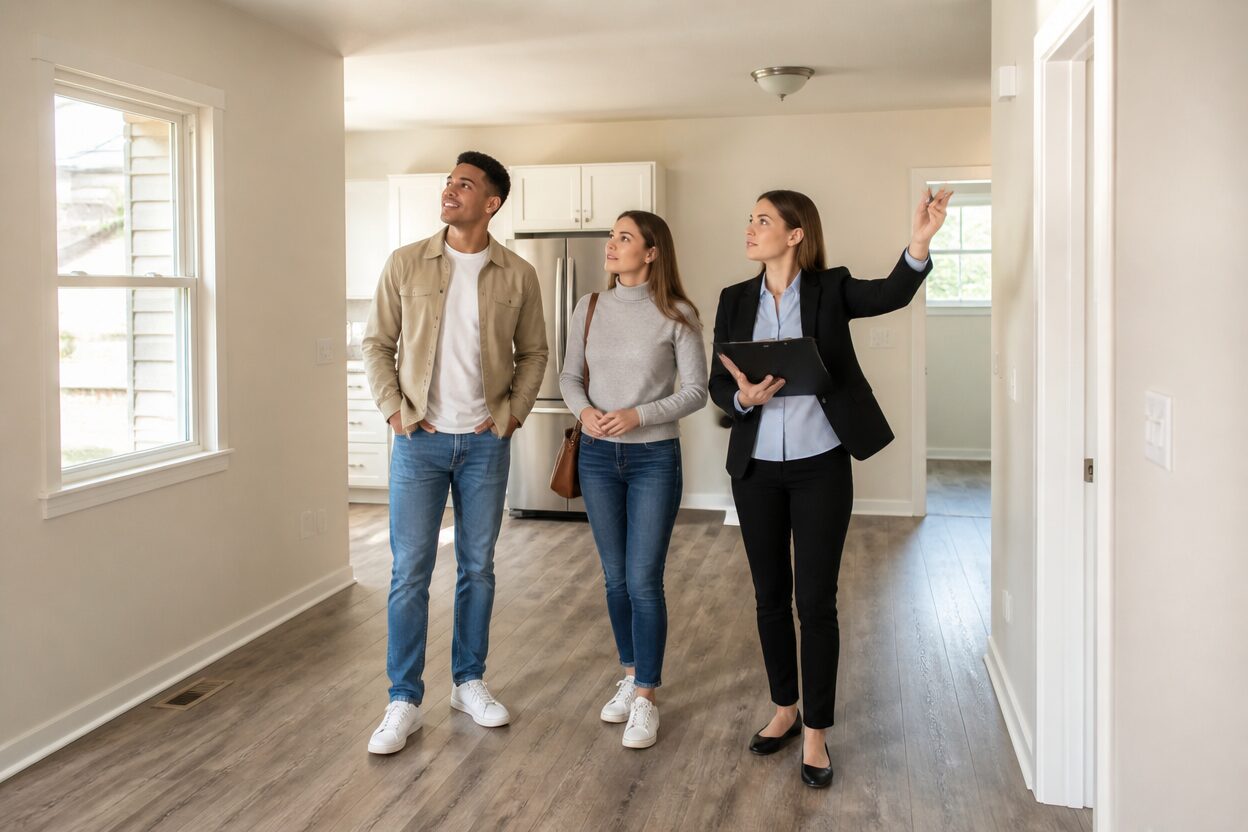
When you walk up, don’t rush. Stand outside for 20 seconds. Listen. Traffic. Dogs. Construction. The neighbor’s bass that never dies.
And peek at the common areas. Mailboxes. Hallways. Trash area. Those spots don’t lie about management habits.
The U.S. Census Bureau’s Housing Vacancy Survey typically shows renter turnover is multiple times higher than homeowner turnover in a given year. High churn buildings can still be fine, but the “why do people leave?” question is worth asking yourself early.
Ask who you’re dealing with
Is this a private landlord, a property manager, or a leasing agent who’s never seen the unit until today? That changes everything. Accountability. Speed of repairs. Flexibility on terms.
Real talk: the person showing the unit is sometimes not the person who can approve anything. So ask directly. “Who makes decisions on lease terms?” Then pause. Let it be a little uncomfortable.
Inside the unit checklist
Walls, floors, windows, and doors
Start high. Look at ceilings for stains. Old leaks love ceilings. Then scan walls for patchy paint. Fresh touch-ups can mean “we’re turning this unit fast.” Not always bad. But ask what happened.
Floors: walk hard. Listen for squeaks or soft spots. In older buildings, some squeak is normal. Soft spots are not.
Windows: open them. Lock them. Check if they actually stay up. Drafty windows can quietly wreck your comfort and your utility bill.
Doors: does the front door deadbolt smoothly? Do interior doors latch? A misaligned door can signal shifting, or just lazy maintenance. You’re looking for patterns.
Kitchen reality, not kitchen fantasy
Open every cabinet. Yes, every one. Smell for mustiness. Look for droppings. Check under the sink for leaks or swelling particleboard.
Turn on the faucet. Let it run. Watch how fast the sink drains. Slow drains are a preview of your future.
Appliances: ask what stays. Then test what you can. Fridge seal. Stove burners. Range hood fan (that one matters more than people think if you cook).

EPA’s WaterSense program notes that household leaks can waste nearly 10,000 gallons of water per year, and about 10% of homes have leaks that waste 90 gallons or more per day. Leaks under sinks aren’t “cosmetic.” They’re early warnings.
Bathroom checks people skip
Flush the toilet. Then flush again (some tanks refill slowly). Check for wobble at the base. That can mean a failing wax ring. Gross. Fixable. But you want it fixed before move-in.
Turn on the shower. Hot water. Pressure. Then watch how fast the tub drains while the water runs. If it pools, you’re buying yourself a hair-clog hobby.
Vent fan: turn it on. Put a little square of toilet paper up near it. Does it pull? That’s a quick-and-dirty test. Mold loves bad ventilation.
Heating, cooling, and the stuff that gets expensive fast
Ask what kind of heat it is. Forced air. Baseboard. Mini-split. Radiator. Different comfort, different costs, different quirks.
Then ask who controls it. You or the building. If it’s building-controlled heat, ask what months it runs and what temperature they aim for. Some buildings run hot. Great in winter. Annoying in spring.
Find the thermostat. Test it. Check for a dirty filter if it’s accessible. A clogged HVAC filter can mean weak airflow and a landlord who cuts corners.
Electric and internet readiness
Count outlets in the rooms you care about. Bedroom. Living room. Kitchen. Older units can have “one outlet per wall” energy. That turns into extension-cord chaos.
Test lights. Flip switches. Ask what each switch does (mystery switches exist and they’re always annoying).
Internet: ask what providers service the building. And ask where the modem would go. You don’t want your Wi-Fi trapped in a metal closet because that’s where the coax is.
Safety basics
Smoke alarms. Carbon monoxide alarm (especially if there’s gas). Ask when they were last tested. Don’t feel weird about this. It’s normal.
NFPA reports that working smoke alarms cut the risk of dying in a reported home fire by about 60%. That’s not “nice to have.” That’s the baseline.
Check windows in bedrooms for egress in older buildings. Ask about the building’s fire exits. You’re not being dramatic. You’re being an adult.
Building and neighborhood checks
Noise is the sneaky budget killer
Noise doesn’t just annoy you. It pushes people to move early. And moving early is expensive.
On the tour, do a 30-second silent stand in each room. No talking. Just listen. If you can tour at the time you’d normally be home (evening for young professionals, afternoons for families), even better.
Ask about quiet hours. Ask about the neighbor situation above you. You might not get a straight answer, but reactions tell you a lot.
Laundry, parking, storage, and the little fees
Where’s laundry? In-unit, on-site, or “nearby.” Nearby can mean “a 12-minute walk carrying wet towels.” Ask the cost per load if it’s coin or app-based.
Parking: Is it assigned or first-come? Any guest parking? Any towing policy? Towing policies can be aggressive. You want to know before your friend visits and gets a surprise.
Storage: Do you get a locker? Any restrictions? Bike storage? Stroller storage? This stuff matters for families and anyone in a small unit.
Maintenance habits and response time
Ask how maintenance requests work. Portal? Text? Call? Then ask the average response time for urgent and non-urgent repairs.
Here’s what I mean. I had a client last month who loved a unit. Perfect layout. But the property manager said “we try to get to things when we can.” That’s code. We pushed for repair-response terms in writing. They refused. Client passed. Two weeks later the unit was still listed. That told us plenty.
The American Housing Survey has consistently found that a meaningful share of renter-occupied homes report moderate or severe physical problems. The exact number varies by year and definition, but the point is steady: maintenance culture isn’t a minor detail.
Questions to ask that actually move the needle
Get answers you can use for negotiation
Most first-time renters ask polite questions. That’s fine. But polite questions don’t help you negotiate.
Ask these instead:
- “How long has this unit been available?”
- “Any other applications in?”
- “What improvements were done during turnover?”
- “What’s the renewal history like for this building?”
- “What’s your ideal move-in date?”
Those questions create a timeline. And timelines are pressure. If the unit’s been sitting, you’ve got more room. If they need a quick move-in, you might trade flexibility (move-in date, lease length) for a better deal.
We’ve got a longer list in what questions to ask on rental property tours. Use it like a menu, not a script.
Ask about lease terms before you apply
Don’t wait until you’re emotionally committed. Ask the big ones early:
- Late fee policy
- Guest policy
- Subletting or roommate changes
- Renters insurance requirements
- Pet policy (fees, weight limits, breeds)
And ask about annual increases. Not “will you raise rent.” More like “what have renewals typically looked like here?” You’re listening for evasive answers.
Document everything like you’re already moving in
Photos, video, and notes
Take wide shots of each room, then close-ups of damage. Chips, stains, broken blinds, cracked tiles. Get the serial number on appliances if you can. It helps when you request repairs.
And narrate your video. “Crack in bathroom tile near tub.” “Window doesn’t lock.” You’ll forget later. Everyone forgets later.
Zillow has reported in past consumer research that many renters tour multiple properties before choosing one. When tours blur together, your notes become the decision-maker.
Follow up with a recap message
Text or email the leasing contact the same day. Keep it short. “Thanks for the tour. We liked X and Y. We noticed A and B and would want those addressed before move-in. What’s the next step?”
This does two things. It creates a paper trail. And it tests responsiveness. Slow replies now tend to mean slow replies later.
Timing and tour strategy
How many tours is enough
Most people either tour one place and panic-sign. Or they tour twelve and melt down. Neither is fun.
We usually like 3 to 6 tours for first-timers. Enough to calibrate your expectations. Not so many that you can’t remember which kitchen had the weird smell.
Tour length matters too. If you’re being rushed, that’s information. Here’s our take on how long a rental property tour should take.
Schedule tours like a budget nerd
Try to tour at realistic living times. Not just lunch hour. Nights and weekends show you parking stress, noise, and building traffic.
Also, group tours in the same area on the same day. It keeps your comparisons honest. Your “this seems far” meter gets weird when you tour on different weeks.
If you want the timing breakdown, we covered it here: when to schedule rental property tours.
Where Rental Secrets fits in
Here’s the thing. A checklist isn’t just about avoiding a bad unit. It’s a negotiation tool. When you can point to real issues, real timelines, and real alternatives, you stop negotiating with vibes.
That’s basically our whole approach at Rental Secrets. We help you understand the landlord’s incentives, how pricing moves in your local market, and what terms are usually flexible. Sometimes rent moves. Sometimes it’s fees, parking, or a longer lock-in at the same rate. Different building, different pressure points.
Want the full context for this whole process? Start with our Rental Property Tours Guide for Budget Smart Renters. It’s the bigger picture. The tour is just one moment.
Conclusion
Walk into tours with a plan. Walk out with evidence. That’s the recipe. When you’re cost-conscious, you don’t get value by being “easy.” You get value by being prepared, calm, and specific. Do that, and you’ll spot the money traps fast. And you’ll negotiate from solid ground.
Disclaimer: This article does not constitute legal advice.