

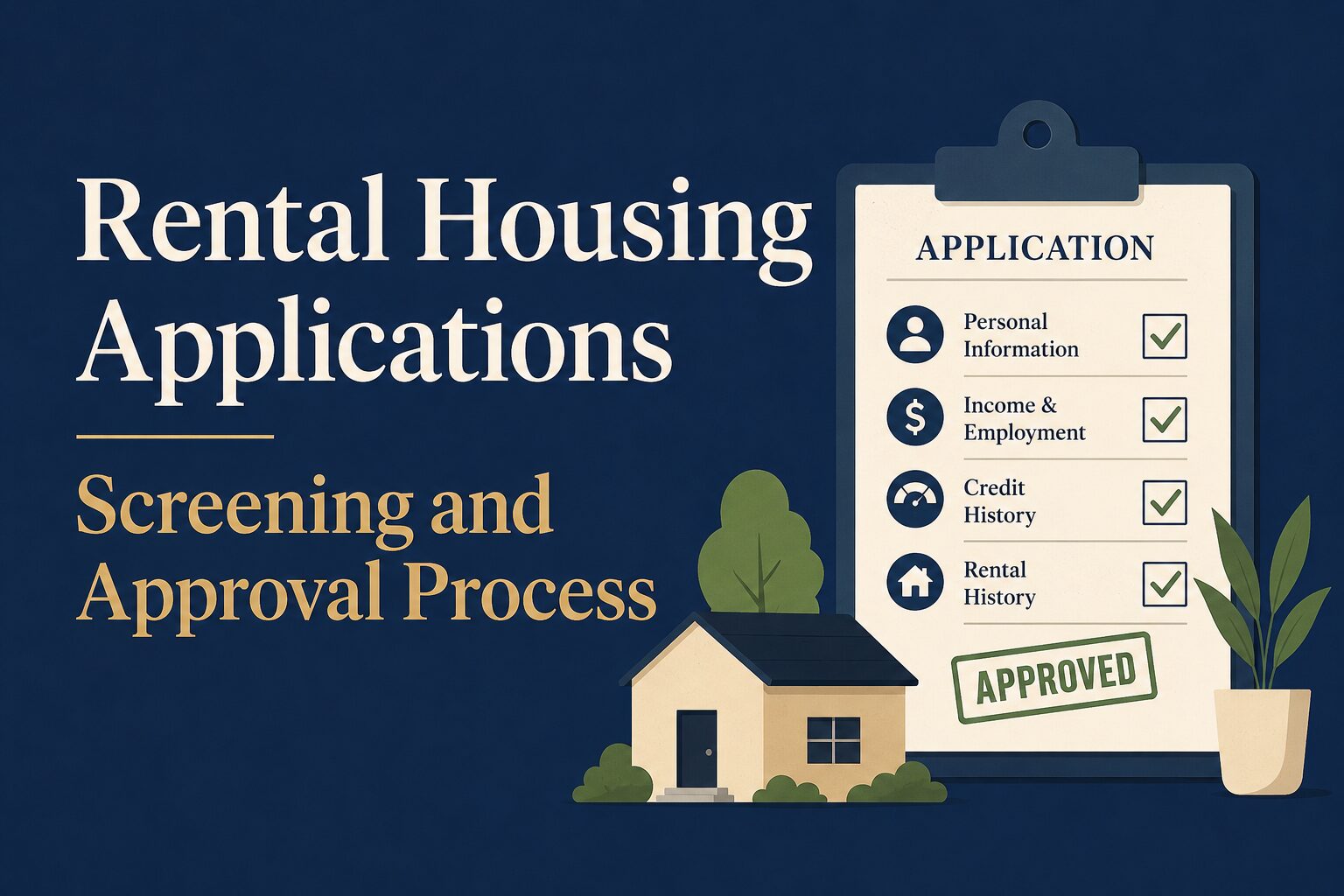
The rental application screening isn’t mysterious. It just feels like it when you’re refreshing your inbox for the 19th time. Landlords are trying to answer one basic question. Will this person pay on time and take care of the place without drama?
We work with both renters and landlords at Rental Secrets, so we see the whole messy middle. The good news. Once you understand the usual steps, you can speed things up, avoid avoidable denials, and even negotiate better terms when you’re a strong applicant.
And yes, screening rules change by market. A small-town duplex owner moves differently than a 300-unit building with software doing half the thinking.
What screening is really for
Look, a rental application isn’t a “test.” It’s a risk check. Most landlords aren’t hunting for perfection. They’re hunting for predictability.
There’s also a legal reason they’re careful. They need consistency, documentation, and a process they can defend if someone claims unfair treatment. That’s why you’ll hear words like “criteria” and “policy.”
Want the bigger picture on how applications fit into the whole renting process? Here’s our guide to rental housing applications for renters and landlords. It’ll make the steps feel less random.
Renters want speed. Landlords want clean files
If you’re a renter, your pain point is time. You’re juggling work, school, kids, a move-out date, maybe a roommate who ghosts every other text. You want a fast yes.
If you’re a landlord or property manager, your pain point is different. You want complete documentation. You want fewer surprises after move-in. You want residents who stay.
So the process tends to reward the applicant who’s “easy to approve.” Not just “good.” Easy. Paperwork ready. Answers fast. References who pick up the phone.

The screening timeline and what slows it down
So, how long does this take? In our experience, it’s usually not the credit report that slows things down. It’s the humans.
The CFPB has reported that about 1 in 5 consumers has an error on at least one of their credit reports. That matters because when something looks off, landlords pause. They ask questions. Or they move on to the next applicant because it’s simpler.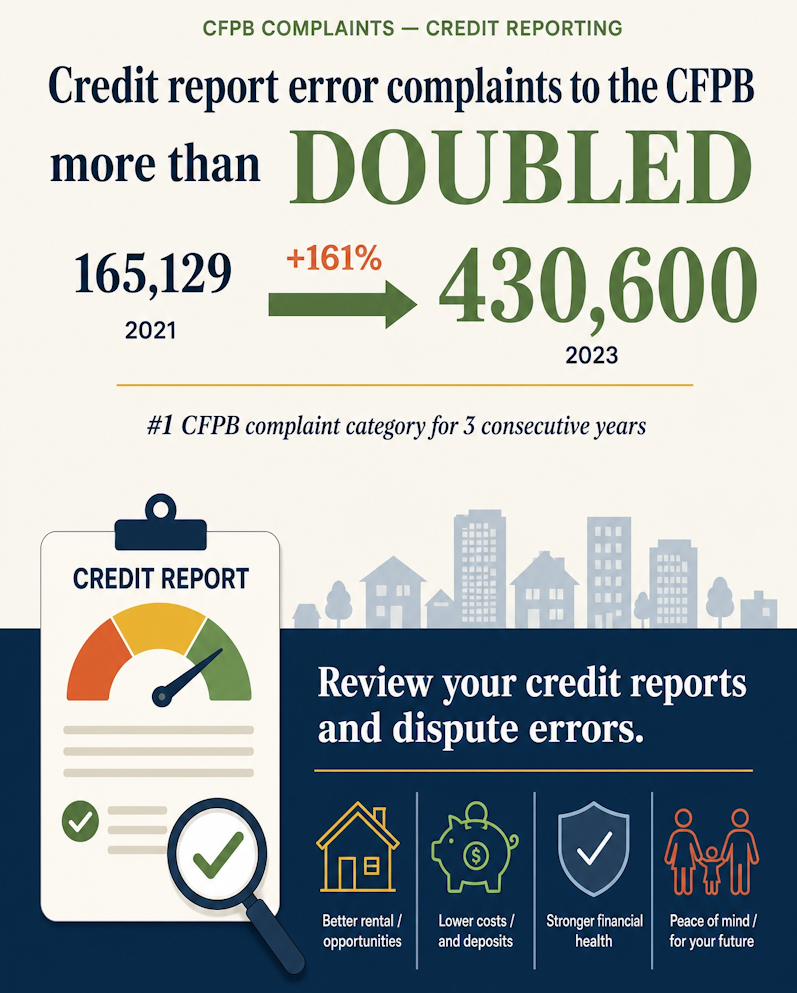
And for landlords. If you’re running screening manually, you’re probably underestimating how long “just one more call” takes. It stacks up. Then you’ve got three half-finished files sitting in your inbox.
What makes a file drag out
Here’s what turns a 24-hour decision into a week.
- Employment that’s hard to verify (new job, self-employment, cash-heavy work)
- Landlord references that don’t respond
- Missing pages on pay stubs (it happens constantly)
- Roommate situations where one person is slow and everyone waits
- Background results that need manual review because of a name match issue
I had a client last month who was perfect on paper. Solid income. Clean background. Still got stuck. Why? Their HR department only verifies employment by mail. Mail. That’s the kind of thing you can’t “logic” your way out of.
If you want a deeper timeline breakdown, we wrote a separate piece on how long rental housing application screening takes.
What landlords typically screen
Most landlords screen four buckets. Income. Credit. Background. Rental history. The weight of each bucket depends on the property, the local market, and the landlord’s past scars.
And yes, sometimes it’s vibes too. I’m not saying it’s fair. I’m saying it happens. That’s why you want your documentation to do the talking.
Income and employment verification
This is usually step one. Not always first in the software. But first in the landlord’s brain.
They’re looking for stable, provable income and a rent-to-income fit. Many landlords use a multiple of rent, but it’s not universal. Some accept lower ratios with strong savings or a guarantor. Some won’t budge.

What actually works. Give them clean proof before they ask. Recent pay stubs. Offer letter for a new job. Bank statements for freelancers (with sensitive stuff blacked out). And a quick note explaining anything weird. Weird is fine. Unexplained weird is not.
Credit checks
Credit screening isn’t just “what’s your score.” Most of the time, landlords are scanning for patterns. Late payments. Collections. Charge-offs. High utilization. And how recent the problems are.
FICO’s own scoring guidance says payment history is the largest factor at 35% of a FICO Score. That’s why one fresh late payment can spook a landlord more than a score that’s merely average.
We also see this a lot. Two applicants. Same score. One has a thin file with no negatives. The other has a thicker file with recent late payments. Guess who gets the call back.
Enhance your credit score with our partner, Rental Kharma and if you’re trying to predict what score range a property might expect, check what credit score rental applications require.
Background checks
Background checks vary wildly. Some landlords check just criminal history. Some also check eviction filings, even if the tenant “won.” Some run national databases plus local courthouse checks. Some do none and rely on references. Risk tolerance is personal.
One thing renters don’t hear enough. A record isn’t always an automatic no. Recency matters. Severity matters. And whether it’s related to housing safety matters.
Want the usual menu of checks? We broke it down here: what background checks are used for rental applications.
Rental history and landlord references
This is where things get subjective. A past landlord might be chill. Or petty. Or unreachable. And if you’re a student or younger renter with little history, you can’t produce what you don’t have.
What we recommend. Make it easy. Provide accurate contact info. Give your current landlord a heads-up that someone may call (yes, awkward). And if you’re leaving on good terms, ask for a short written reference. Keep it simple. Dates. On-time payment. Property condition. That’s enough.
How approval decisions usually happen
Here’s the part that surprises renters. “Approved” isn’t always a single finish line. It can be a few different outcomes.
- Approved as-is
- Approved with conditions (higher deposit where legal, guarantor, shorter lease, additional proof)
- Waitlisted or “backup” if another applicant is first in line
- Denied
And yes, sometimes they take the first qualified applicant. Sometimes they choose the “best” qualified applicant. Local rules matter. Fair housing risk management matters. The landlord’s personality matters. It’s a lot.
First qualified vs best qualified
For landlords, picking “best” can invite trouble if your criteria aren’t written and consistent. For renters, “first qualified” can feel like a race. Because it is.
When we help renters negotiate through Rental Secrets, we spend a lot of time on timing. Not just price. Timing is underrated. Getting your application in early and complete can beat a slightly stronger applicant who’s slow. And the real rub is you don’t know who you’re competing against.
If you’re a landlord trying to decide when to say yes, we’ve got a clear framework here: when should landlords approve rental applications.
Why applications get denied and how to reduce the odds
Denials sting. Even when you kind of saw it coming. And sometimes the denial reason isn’t what you think.
Some are straightforward. Income can’t be verified. Credit shows recent nonpayment. Background check flags something disqualifying under the property’s policy. Prior evictions. Bad landlord reference.
Some are dumb. Missing documents. Incorrect phone numbers. An employer who won’t answer verification calls. A typo that makes your Social Security number not match.
We keep a full breakdown of common denial reasons here: why rental housing applications get denied.
Small moves that change outcomes
Here are the “boring” tactics that work more often than flashy ones.
- Turn in a complete file in one shot (not five separate emails over two days)
- Write a short explanation for gaps (job change, divorce, medical leave). Two or three sentences
- Offer alternatives upfront (guarantor, larger pre-paid term where allowed, extra proof of savings)
- Keep your communication fast and polite. Not overly chatty. Just responsive
Honestly, I used to think the “cover letter” thing was corny. Turns out it can help. Not every time. But when a landlord is sorting through similar applicants, clarity wins.
How to follow up without being that person
Following up is normal. The trick is doing it in a way that helps them decide, instead of adding noise.
Send one message. Ask if anything is missing. Offer one useful detail. Like, “My employer can verify by email faster than phone.” That kind of thing.
And if you toured and met someone in person, reference that. Humans remember humans. Not always. But often.
If you want actual scripts, we put them here: how to follow up after a rental application.
Landlords can make screening feel fair and still protect themselves
Property managers. Small landlords. This part’s for you.
Good screening doesn’t have to feel cold. In fact, the best retention starts right here. Clear expectations. Fast communication. Consistent criteria. Applicants don’t need “special treatment.” They need to know what’s happening.
An industry survey by the National Apartment Association shows an average annual apartment turnover rate of roughly 50%.Screening and onboarding won’t fix all turnover, but sloppy processes absolutely contribute to it. People remember chaos.
Simple practices that reduce conflict later
- Publish your screening criteria before people apply (and stick to it)
- Tell applicants your expected decision window
- Explain what “approved with conditions” means in plain language
- Use adverse action notices correctly when credit info is involved
I’ve watched landlords lose great applicants because they went quiet for four days. Not because they were “evaluating.” They were busy. The applicant assumed rejection and signed elsewhere. That’s the whole story.
Where Rental Secrets fits in
Rental Secrets exists because renters are usually negotiating blind. You can have good income and still overpay. You can have shaky credit and still get approved with the right setup. Most people never get taught how landlords think, so they guess. Badly.
We help renters put together a cleaner application story and use market-based negotiation tactics to ask for lower rent without sounding naive. Sometimes that means tightening your documents. Sometimes it means timing your ask. Sometimes it means picking the right property to apply to in the first place. Not the prettiest one. The one you can actually win.
Conclusion
Screening and approval usually comes down to predictability, paperwork, and speed. If you’re renting, make it easy to say yes. Clean docs. Fast replies. Quick explanations for anything unusual. If you’re a landlord, be consistent and communicative. People accept “no” more easily than they accept silence.
Disclaimer: This article does not constitute legal advice.