
Rental tours aren’t just a quick walk-through. They’re the moment where trust gets built. Or lost. Fast.
And yeah, we’re talking to renters and landlords here. Because both sides want the same boring thing. A place that works. A tenancy that doesn’t implode at month four.
We run Rental Secrets. So we spend a lot of time translating “landlord brain” into “renter reality.” Tours are where that translation pays off. You can learn a ton in 12 minutes. Sometimes you learn you should run.
What a rental tour is really for
Most people treat tours like a beauty pageant. New paint. Staged lighting. Someone saying “it’s super quiet” while a motorcycle screams past the window.
Thing is, a tour is an information exchange. Renters are checking for livability and hidden costs. Landlords and property managers are checking for fit and risk. Nobody says that out loud, but that’s the deal.
Renters are hunting for budget landmines
Look, you can handle a small bedroom. You can handle older cabinets. What wrecks a budget is surprise friction. Laundry that costs time. Parking that costs sanity. A “nice” unit that eats your evenings in maintenance calls.
We’ve had renters tell us they fell for a unit because it looked clean. Then they found out the hot water “needs a minute.” That “minute” becomes your whole morning.
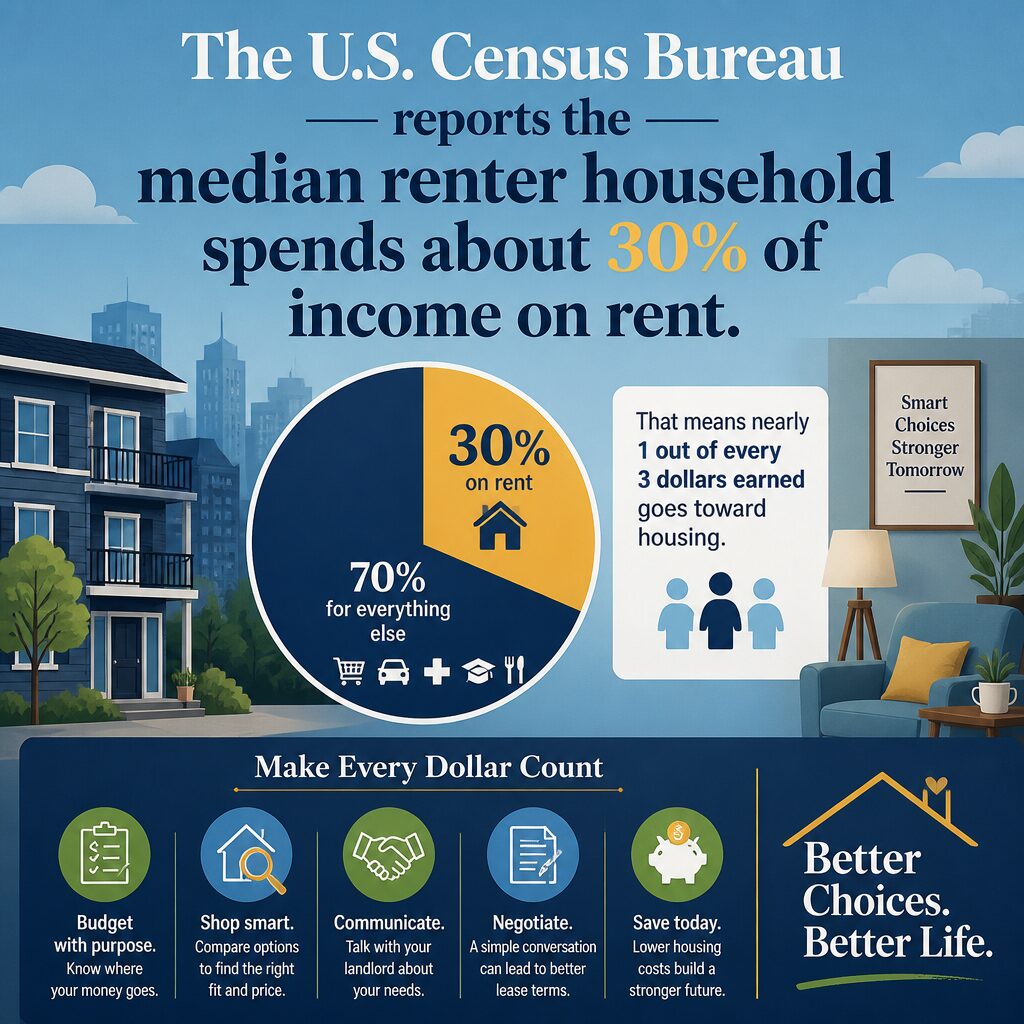
The U.S. Census Bureau reports the median renter household spends about 30% of income on rent. When you’re already near that line, little add-ons hurt more than people think.
Landlords and managers are screening for the quiet problems
If you manage property, you already know the math. A vacancy isn’t just lost rent. It’s showings, turnover, cleaning, admin time, stress.
So tours become a low-key screening moment. Are people respectful? Do they show up on time? Are they asking sharp questions or just nodding at everything? That last one can be a red flag, honestly. It can mean they’re not thinking about fit. Then they move out early. Everyone loses.

How landlords can run tours that create better tenants
I used to think the best tour was “hands-off.” Just open the door and let people roam. Turns out that approach backfires a lot. People feel awkward. They miss the stuff that matters. Then they go home and invent their own story.
A good tour feels simple. But it’s not lazy. It’s paced. It answers the unspoken questions. And it reduces follow-up chaos later.
Set expectations in the first 30 seconds
Start with the basics. How long the tour will take. What you’ll cover. When applications are reviewed. Whether you’re taking questions during or at the end.
That tiny script changes the vibe. People relax. They stop trying to guess your process.
And yes, it matters for retention too. When renters know what to expect, they assume fewer “surprises” later. It’s trust-building. Not hype.
Show the unsexy stuff on purpose
Open the electrical panel. Point to the shutoff valves. Show the thermostat and explain what it controls. Show the mailbox situation. Show the trash and recycling setup. Talk about guest parking rules.
This bugs some landlords. They think it kills the mood. In our experience, it does the opposite. It signals you’re organized. People like organized.
Want a renter who doesn’t panic and text you 12 times a month? Teach them the house rules. Early.
Be clear about maintenance and response times
Renters don’t need a corporate policy manual. But they do need to know how repairs actually happen. Portal? Text? Call? Emergency line?
According to the US Census ACS Survey about 1 in 4 U.S. renters (25.6%) moved within the past 12 months. A big driver of moving is frustration. Maintenance is often sitting right in the middle of that frustration.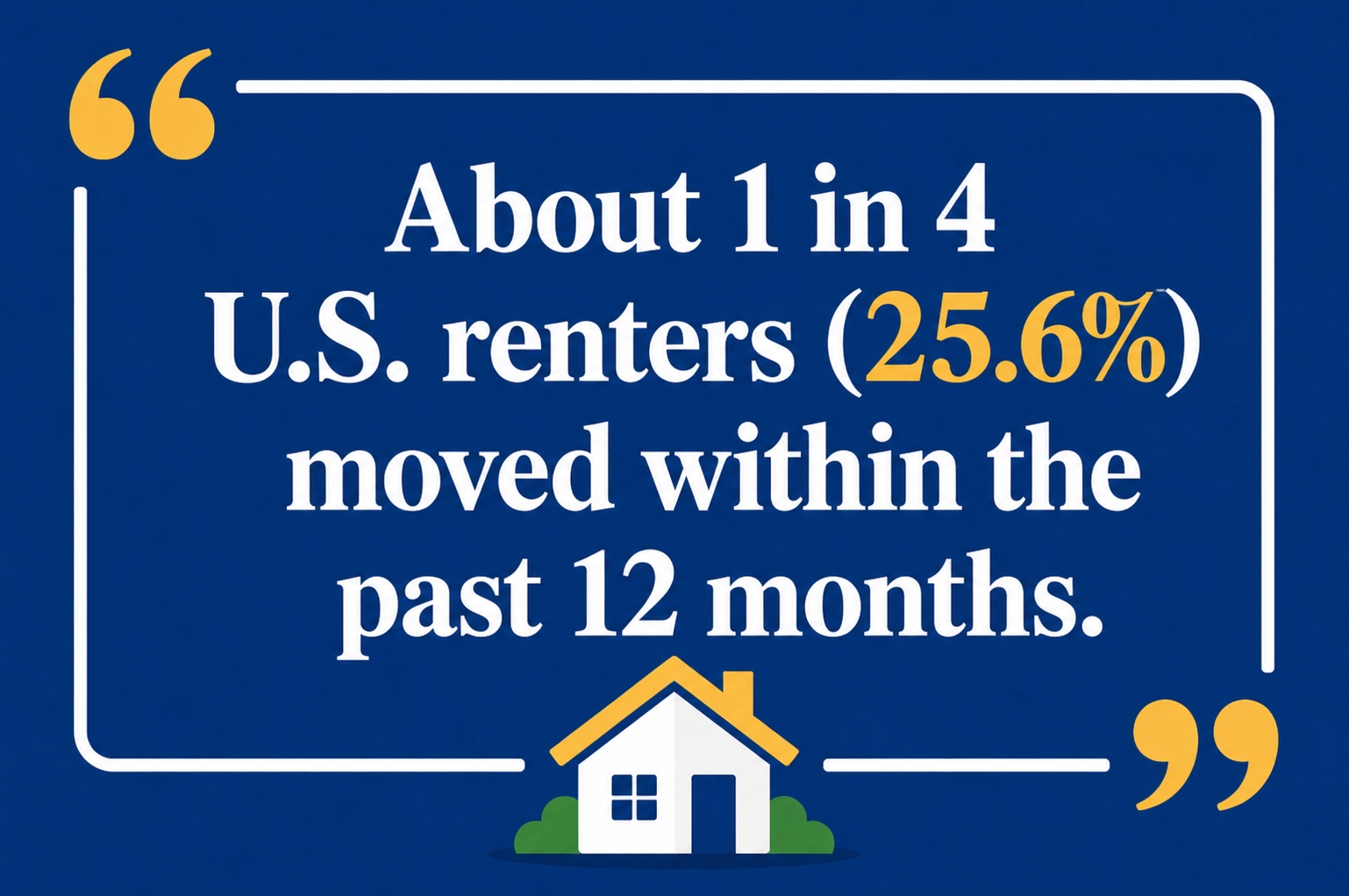
So say what you do. And say what you don’t do. “We handle urgent issues same day most of the time. Cosmetic stuff can take longer.” That kind of honesty prevents angry expectations.
How renters can use tours to negotiate and save money
Real talk: negotiation usually starts before you ask for anything. It starts with what you notice. What you document. What you can politely point to later.
At Rental Secrets, we teach renters to treat tours like a data collection run. Not a vibe check. You can do both, sure. But lead with data.
Ask questions that reveal leverage
Avoid yes-or-no questions like “Is it quiet?” You’ll get “yes.” Always.
Instead, ask stuff that forces specifics:
- “How long has this unit been on the market?”
- “What’s your typical move-in timeline?”
- “Why did the last tenant move?”
- “How many applications are you expecting this week?”
You’re not interrogating. You’re learning the situation. A unit sitting longer than expected. A landlord wanting a quick move-in. Those are negotiation ingredients.
And if you’re thinking, “Won’t they lie?” Sometimes. But tone and detail matter. People who are making it up tend to get vague. People who know the facts answer quickly.
Use a tour checklist that focuses on recurring costs
I had a client last month who toured three units and kept getting distracted by finishes. Nice sink. Nice floors. Cool. But the real difference was laundry access and heating setup.
Here’s a renter-friendly checklist that actually moves your budget:
- Heating and cooling: What system. Who controls it. Any room-to-room weirdness.
- Water pressure: Run the shower and sink for 10 seconds. You’ll know.
- Windows: Do they open. Do they lock. Do they feel drafty.
- Noise: Listen for footsteps above. Stand still. Don’t talk for a moment.
- Cell signal: Check it. Right there. Don’t assume.
- Storage: Closets. Pantry. Where do the vacuum and stroller go.
Short list. High impact. That’s the whole thing.
Document issues like a calm adult
Take photos. Not secretly like you’re filming a sting operation. Just casually. “Mind if I grab a couple pics to compare later?” Most managers won’t care.
Then later, if you want to negotiate, you can reference specifics. “The bedroom window doesn’t lock easily.” That’s different from “the place feels old.” One is fixable. One is an insult.
And yes, this can support a rent ask. Or a concession ask. Or a move-in date ask. Negotiation isn’t always about the monthly number.
What landlords should highlight without overselling
Overselling is weird. People feel it. They don’t always say it, but they feel it in their gut.
The better approach is to point out what you do well. Then leave space for the unit to speak for itself. Quiet confidence beats hype.
Lead with reliability and rules that protect everyone
Talk about how you handle lease renewals. How you handle noise complaints. How you handle package theft. These are the things renters are anxious about but hate asking.
Families want predictability. Students want to avoid surprise fines. Young professionals want a place that doesn’t derail work-from-home calls. But don’t do the “great for everyone” thing. Just explain the rules and systems. People will map it to their own life.
Be upfront about fees and utilities
This is where tours go off the rails. A renter falls in love. Then they find out the trash fee is mandatory, the parking is separate, the internet is “recommended,” and suddenly the budget’s toast.
So say it early. Not at the lease signing. Early.
It also helps landlords. The renters who can’t afford it will self-select out before you waste a week on follow-ups.
Follow-up timing and communication that doesn’t feel pushy
Some managers follow up like they’re selling a timeshare. Some renters ghost like it’s a sport.
We’re not fans of either.
For landlords and managers
Send a short message the same day. Keep it simple. Include:
- Thanks for coming
- Application link and deadline
- One sentence on next steps
That’s enough. If someone’s interested, they’ll respond. If they’re not, you didn’t burn goodwill by pestering them.
For renters
Follow up fast if you want it. Same day. Next morning at the latest.
And here’s the move we teach at Rental Secrets: ask one clarifying question that nudges them to put details in writing. Like “Can you confirm what utilities are included?” or “What’s the earliest move-in date you’d accept?” Now you’ve got a paper trail. Useful later.
Handling questions during tours without making it awkward
Questions can turn a tour into a weird debate. Especially when one side gets defensive.
So set norms.
For landlords and managers
When someone asks about crime, don’t wing it. Fair housing risk lives here. The safest path is factual and local-resource based. “We can’t comment on that, but you can check the city’s public safety map and talk to neighbors.”
When someone asks “Why is it so cheap?” don’t get snippy. Just explain. “It’s a smaller unit. It’s priced to move. The building’s older but maintained.” Calm. Plain.
For renters
Ask the “uncomfortable” stuff politely. Repairs. Pests. Mold. Noise. Don’t apologize for asking. You’re signing a legal agreement. You’re allowed.
Try this phrasing: “What issues come up most often in this building?” That question is magic. It invites honesty without accusing anyone.
One exception. If the person touring you clearly doesn’t manage the property (like a hired showing agent), their answers might be fuzzy. Ask who can confirm details. Get the email. Then follow up.
Making tours comfortable and fair for everyone
Comfort is underrated. People make worse decisions when they feel rushed or judged. I’ve watched it happen in real time.
Landlord basics that renters notice
- Don’t show an occupied unit like it’s a museum. That makes everyone tense.
- Give people space to look in closets. Yes, closets. They matter.
- Don’t talk over them. Silence is fine.
And please. If the unit smells like fresh paint, just say it’s fresh paint. Don’t pretend it’s “clean linen breeze.” People aren’t stupid.
Renter basics that landlords notice
- Show up on time. Or text early if you’re late.
- Don’t trash-talk the place while standing in it. Save that for your notes.
- Bring questions written down. It signals you’re serious.
This helps with negotiations too. A landlord is more likely to work with someone who feels stable and respectful. Not always. Usually.
Where to go next
If you want the full renter and landlord perspective, keep going with our Rental Property Tours Guide for Budget Smart Renters. We built it from what we see every week. The little tells. The common scripts. The stuff nobody teaches you.
Tours aren’t about being charming. They’re about being clear. Renters get clarity and negotiating angles. Landlords get fewer headaches and better long-term fit. That’s the takeaway.
Disclaimer: This article does not constitute legal advice.