


Virtual tours can save you time. They can also cost you a lot of sleep. And yeah, sometimes money too. We’ve seen both sides at Rental Secrets. The renter who avoids three wasted Saturdays. And the renter who gets talked into sending a deposit to “hold it” off a video walkthrough.
So this page is about one thing. How to use virtual rental property tours to cut your search time without getting played. We’ll talk renter moves and landlord moves. Because both matter.
Why scammers love virtual tours
Look, the best scams don’t feel like scams. They feel like urgency. A “good deal” that’s “getting a ton of interest.” You know the script.
Virtual tours give scammers two gifts. Distance and speed. They can pretend they’re out of town. They can push you to act before you think. And they can hide behind screens while you’re trying to be polite.
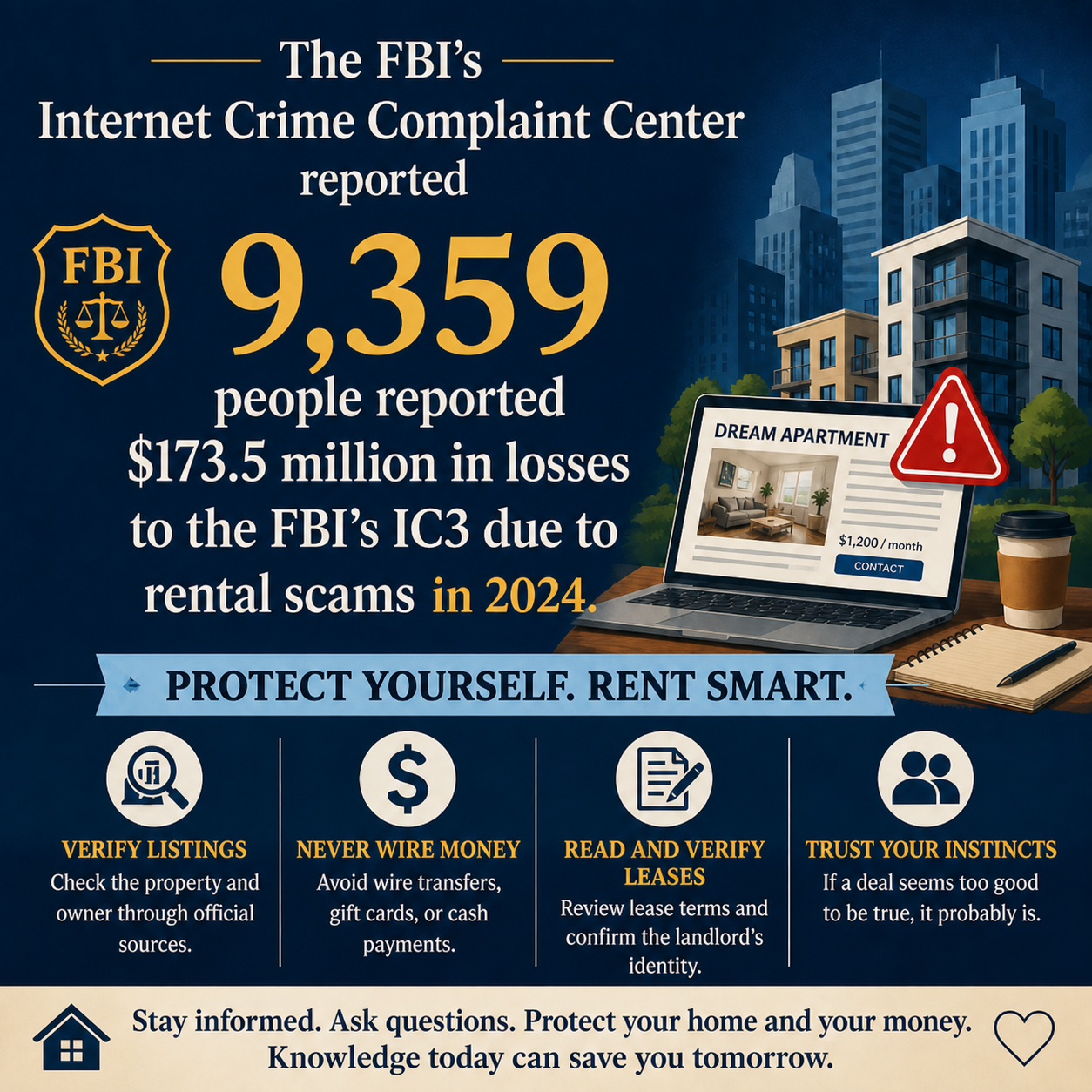
And the stakes are real. The FBI’s Internet Crime Complaint Center reported 22,000+ real estate rental fraud complaints in 2023. That’s not “once in a while.” That’s a steady stream of people getting hit.
The common scam setups we keep seeing
Most people expect the scam to look scammy. Typos. Weird emails. Poor pictures. Nope.
- Stolen listing + fresh phone number. They grab photos from a legit listing and repost on marketplaces.
- “Agent” who won’t meet. They’ll do FaceTime, sure. They won’t show you anything that proves they control the unit.
- Key pickup tricks. “The lockbox code is yours after you pay the application fee.” (No.)
- Application-first pressure. They want ID, paystubs, and a fee before basic verification.
This bugs me because virtual tours are actually useful. We just have to treat them like a screening tool, not proof.

What a legit virtual tour actually looks like
Honestly? The “quality” of the video matters less than the behavior of the person showing it. A real landlord or property manager tends to act like someone protecting an asset. They’ll answer boring questions. They’ll tolerate reasonable requests. They won’t melt down when you ask for verification.
Signs you’re dealing with a real operator
Here’s what we see with solid, normal landlords and managers:
- They’ll schedule a time and show up. Even if they’re a little late.
- They know the building. They can talk about water shutoffs, parking rules, trash pickup days. Unsexy stuff.
- They can explain the application process clearly. Not “send money and we’ll figure it out.”
- They’re fine with you verifying ownership or management. They may even offer it.
One more reality check. According to the National Multifamily Housing Council, about 39 million people live in apartments in the U.S. That scale creates a lot of legit virtual leasing, especially with larger operators. Virtual tours aren’t automatically sketchy. The details are what matter.
How we recommend you verify a virtual tour fast
So, what do you actually do? Like, in the moment. When you’re staring at a listing that looks perfect and you’re trying not to get your hopes up.
We use a simple mindset at Rental Secrets. Trust the tour. Verify the control.
Ask for one live proof move
Pre-recorded videos are easy to steal. Live requests are harder to fake. Pick one ask that’s simple but specific.
- “Can you show the unit number on the door, then walk straight inside?”
- “Can you open the fridge and show the inside?” (People forget fridges in stolen videos.)
- “Can you step onto the balcony and show the street view?”
- “Can you run the water for three seconds and show under the sink?”
If they refuse and get dramatic. That’s info. If they can’t because “the tenant is home” but they offer an alternative, that might be fine. Usually.
Match the listing to reality with small details
Here’s what I do when I’m helping a renter friend. I pick two tiny anchors and I compare them across sources.

- Window direction and view. Does it match street photos or map placement?
- Flooring transitions. Tile to laminate, thresholds, baseboards. Hard to fake consistently.
- Kitchen layout. Sink left or right. Stove placement. Those things show up in old listings.
Want the step-by-step version? We wrote it out here: Rental Property Tours Guide for Budget Smart Renters. That’s where we keep the bigger process, including when virtual makes sense and when it doesn’t.
Red flags that should stop you cold
Real talk: some situations aren’t “maybe.” They’re “walk away.” Even if the rent looks amazing. Especially if the rent looks amazing.
Money pressure before verification
If they push you to pay to “hold” the unit before you’ve verified who they are, pause. Application fees exist, sure. But pressure to send money fast is a classic trick.
- “Someone else is about to send a deposit.”
- “Pay now and you can tour later.”
- “We only take gift cards, crypto, wire.”
That last one? Don’t even debate it. Just move on.
Identity collection that feels backward
Scammers love harvesting documents. Driver’s license scans. Paystubs. Sometimes a full application with SSN. And they’ll sound professional while doing it.
What actually works is a sequence. Verify the property. Verify the management. Then apply using a standard portal or a documented process. Not a random form link and a text thread.
The tour avoids the hardest-to-fake angles
When a “tour” is only slow pans of a living room and bedroom, no context, no exterior, no hallway, no unit door, no building signage. Yeah. That’s a red flag.
If you want a deeper checklist of these, we’ve got a focused breakdown in our related reading list below.
What to request during a virtual tour
Most renters under-ask. You don’t want to be a pain. You want to be liked. You want to avoid any potential confrontation. Been there. But you’re about to sign a lease, maybe for twelve months or more. Ask for what you need.
The minimum video walkthrough sequence
We recommend you ask for:
- Exterior of building and street view
- Entry path to the unit door
- Unit door and unit number
- Full kitchen, including inside oven and under-sink area
- Bathroom close-ups: ceiling, under vanity, shower edges
- Every closet opened
- Windows and screens
- Quick shot of breakers, thermostat, and any visible water heater access
Why closets? Because that’s where you catch the weird stuff. Water stains. Sketchy patches. Odors you can’t smell through a screen, but you can see the damage trail.
Document requests that separate pros from pretenders
Ask for paperwork like a calm adult. Not accusing. Just normal.
- A copy of the sample lease before paying anything
- Written criteria (income, credit, co-signer rules)
- Who pays what utilities, in writing
- How maintenance requests are handled (portal, email, phone)
Landlords and managers who care about retention usually already have this ready. They want fewer misunderstandings. Fewer move-out fights. It’s self-interest. The good kind.
When a virtual tour is enough and when it isn’t
Sometimes virtual is fine. Sometimes it’s a trap. Not a scam trap. A regret trap.
Virtual can be enough when
We’re usually comfortable with virtual-only when it’s a professionally managed building, the unit is occupied so access is limited, and you can verify the company through multiple channels (website, signage, state registration where applicable, consistent phone numbers).
Also when you’re relocating and a friend can do a quick “eyes-on” check. Even 10 minutes helps.
You probably need an in-person look when
If you’re sensitive to noise, don’t rely on video. Same for smell issues, humidity, pest vibes, and sketchy parking situations. Video hides all of that.
And if the building is older. Or the unit looks freshly “renovated” with no permit trail. I used to ignore that. Turns out the cheapest paint job can hide the most annoying maintenance story.
Budget smart angle: use virtual tours to negotiate
This is where our Rental Secrets brain kicks in. Virtual tours aren’t just about safety. They’re data.
You can spot concession patterns. You can see vacancy hints. You can notice that the “premium” unit has a view of a brick wall. Then you negotiate like someone who understands the market, not like someone begging for approval.
What to listen for during the tour
- How many days the unit has been available (they’ll sometimes slip)
- Why the last tenant left
- Whether they’re offering flexible move-in dates
- How quickly they want you to decide
Fast decisions can mean high demand. Or it can mean they’re nervous you’ll notice something. The tone tells you a lot.
A negotiation move that doesn’t feel awkward
After the tour, say something like: “We like it. We’re comparing a couple options. If we can get clarity on utilities and lease terms today, we can move quickly.”
You’re signaling seriousness. But you’re also pulling the conversation onto terms. That’s where rent outcomes change.
We teach this kind of phrasing inside Rental Secrets because most renters never get coached on it. Landlords do this every week. You don’t. But, Rental Secrets can help fix that.
Landlords and property managers: make virtual tours safer and smoother
If you manage rentals, this part’s for you. Tenant trust is retention. And retention is fewer turns. Fewer headaches.
Little trust builders that work
- Use a company email domain for follow-up, not just texting
- Provide a one-page “how to apply” with your exact steps and approved payment methods
- Show building signage early in the video
- Offer a live Q&A slot even if the tour is pre-recorded
And please don’t ask for sensitive documents before you’ve given renters a way to verify you. It’s not just safety. It’s good business.
Related reading from Rental Secrets
- How to verify a virtual rental property tour
- What are red flags in virtual rental property tours
- How to avoid rental scams during property tours
- When is a virtual rental property tour enough
- What to request in a virtual rental property tour
- Best questions for landlords on virtual rental property tours
Bottom line you can use tonight
Use virtual tours to cut the noise. Love that. But don’t treat a video as proof of ownership or access.
Get one live verification move. Ask for the boring paperwork early. And if they push you to pay before you can confirm who they are, walk. Even if your roommate is cheering. Even if you’re tired. Future-you will be grateful.
Disclaimer: This article does not constitute legal advice.