

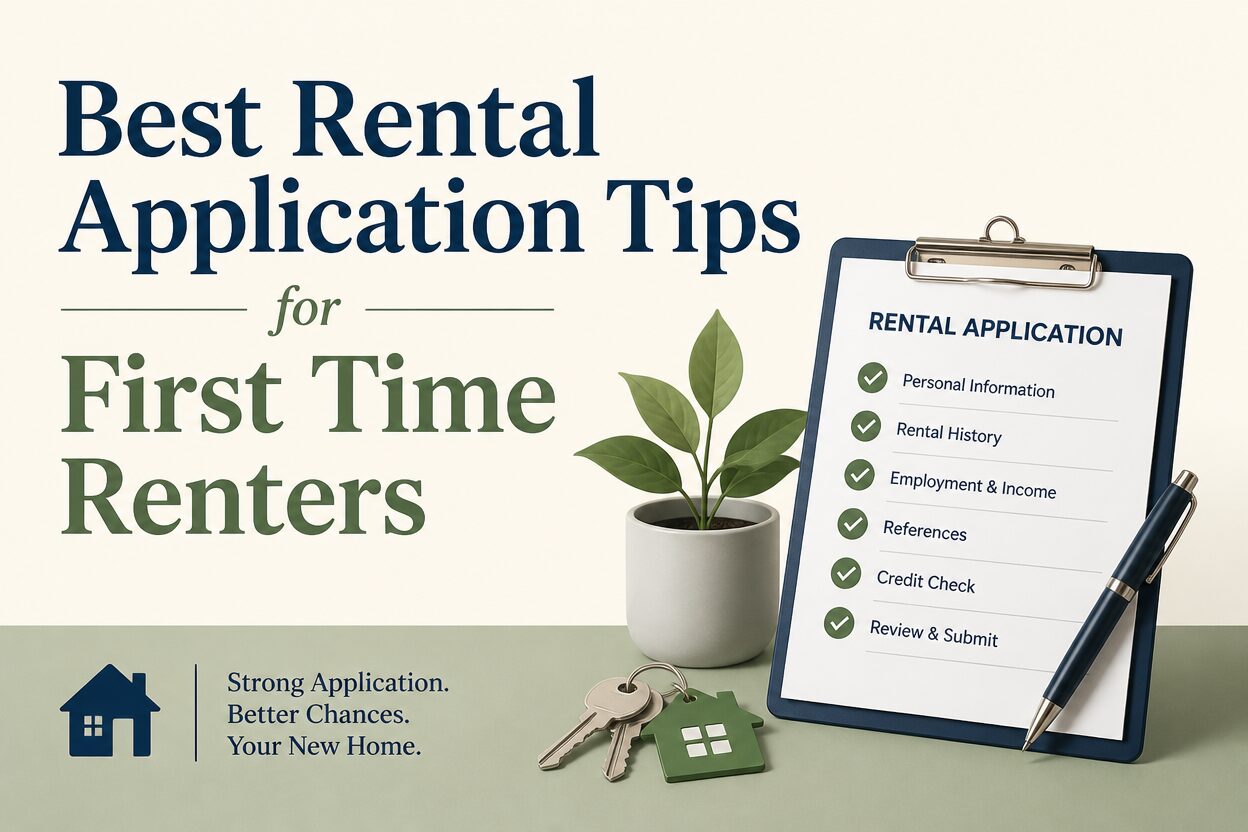
You want your application to land in the “yes” pile. Fast. That’s the whole goal. Because when you’re a first-time renter, you’re competing with people who already have a rental history, a thicker credit file, and a stack of pay stubs that looks like a small novel.
We’ve helped a lot of renters get approved. Some with barely any credit. Some with new jobs. Some with messy timing. The pattern is always the same. The renters who make it easy for the landlord to say yes usually win.
Build an application packet that feels unfair
Look, most applications are half-finished and vague. Names. A phone number. Maybe a screenshot of a bank balance. That’s not enough. Landlords don’t want a treasure hunt. They want proof. Clean, consistent, boring proof.
Bring the docs before they ask
When I work with clients on this, the first thing I check is whether their documents match each other. Income on the pay stub lines up with what they wrote. Employer name matches the email domain. Little stuff. It matters more than you’d think.
And yes, it can feel like you’re oversharing. You’re not. You’re removing friction.
Use one tight bullet list in your cover note
I’m not a fan of long “about me” essays. Nobody has time. But a short note helps, especially for first-timers. One page max. Put it in the packet as a PDF.
- Move-in date and lease length you want
- Your monthly income and where it comes from
- Who’s living there (and who isn’t)
- Any pets (with weight and temperament)
- How you’ll pay rent (autopay, paycheck timing, etc.)
Real talk: the landlord is scanning for risk. Late payments. Drama. Surprises. This format calms that down.

Handle the two weak spots: credit and rental history
Thing is, first-time renters usually get dinged for two reasons. Thin credit. No prior landlord reference. It’s not personal. It’s just the way underwriting and risk reduction works.
Thin credit is normal. Silence is not
If your credit is light, say it plainly. Then offer a substitute that actually means something. Recent pay stubs. Offer letter. Proof of savings (but don’t send your whole bank statement with every transaction, please). A screenshot of a balance plus the account holder name can be enough most of the time.
I used to think “credit doesn’t matter if income is good.” Turns out it depends on the owner. A small landlord who had one bad experience may care a lot. A big property manager might just follow their checklist. Different vibes.
No rental history. So borrow credibility
Here’s what I mean. If you can’t produce a previous landlord reference, produce something adjacent. A supervisor. A professor. A coach. Someone who answers the phone and sounds like a functional adult.
And don’t surprise that person. I had a client last month whose reference got called while they were in the checkout line at Target. They panicked and didn’t pick up. The application cooled off. Annoying. And preventable.
Speed wins, but only when you’re clean
So, yes, you want to be quick. But quick with messy info is worse than a slower, complete packet. Landlords remember the headache applicants. They don’t want to rent to headaches.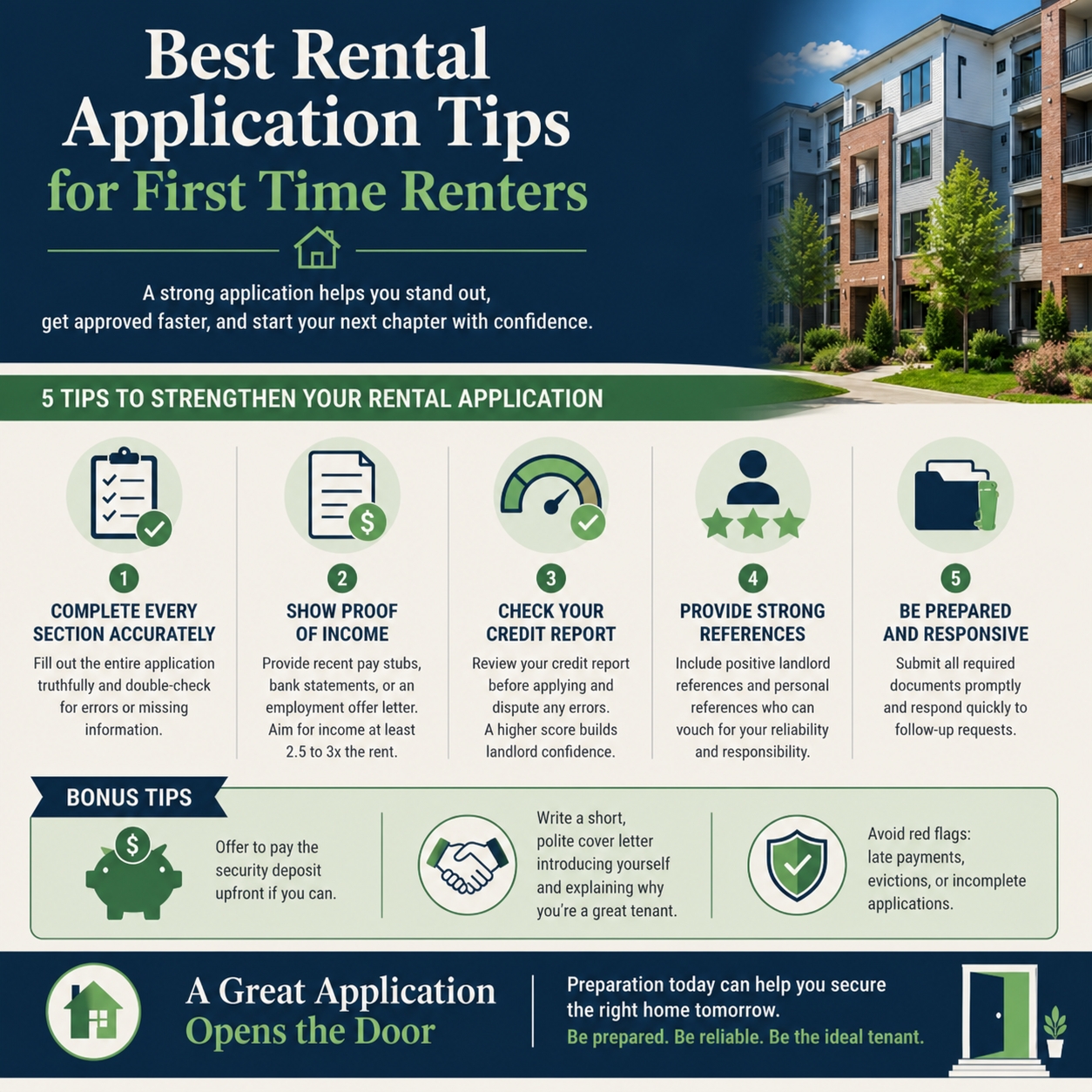
Tour like you’re interviewing them too
Ask a couple of questions that show you’re serious and stable. Keep it normal. Things like how maintenance requests work. Where rent gets paid. Typical utility costs in that building. Not twenty questions. Just enough to signal you’re not winging it.
And you can learn a lot from their answers. If they dodge everything or act irritated by basic questions, that’s a preview of the relationship.
Submit within hours, not days
In hot markets, same-day applications get the first look. That’s just reality. We tell renters to prepare the packet before touring. Then you’re not scrambling at 11 p.m. trying to find a recent W-2 pay stub when the HR department is closed.
If you want a bigger walkthrough of what landlords typically screen for and how renters can present themselves, our guide to rental housing applications for renters and landlords covers the full flow. The little tripwires too.
Negotiate like a beginner who’s not naive
Honestly? A lot of first-time renters don’t negotiate because they think it’s rude. Or pointless. Or they’re scared the landlord will pick someone else. Sometimes that fear is legit. Sometimes it’s just nerves.
At Rental Secrets, we teach renters how landlords think. Market-based, not magical. You don’t get a discount by asking nicely. You get it by making the deal easier, safer, or more predictable for the owner.
Pick your moment
Negotiation usually goes best after they like you, before you sign, and when the unit has a few challenges. Slightly higher price than comps. Longer days on market. Odd move-in date. A unit that shows well but isn’t moving.
And if you’re applying to a big building with a leasing office, the playbook changes. They might have set pricing. But they can sometimes flex on admin fees, parking, storage, or move-in specials. We’ve seen it over and over.
Trade something for something
Don’t just ask “can you lower the rent?” Give them a reason to say yes without feeling like they lost. Offer a longer lease. Offer an earlier move-in. Offer autopay and a set payday schedule. A lot of landlords love predictability more than they love squeezing an extra $50.
One exception: if the owner already has ten applications. You probably won’t talk them down. You might still win by being clean, fast, and low-maintenance on paper.
Avoid the small mistakes that get you quietly rejected
Now, the painful part. Most rejections aren’t dramatic. You don’t get a big explanation. You just… don’t get picked. So we watch for the quiet red flags.
Inconsistent information
Spelling your employer two different ways. Listing different monthly income numbers on different forms. Using a nickname on one page and legal name on another. It sounds petty. It’s not. It reads like sloppiness or hiding.
And landlords see it constantly. It makes you more difficult than the next applicant.
Bad communication habits
Don’t blow up their phone. Don’t send ten texts in a row. But also don’t disappear for two days when they ask for something simple. You’re showing how you’ll act once you have keys.
Also, watch your email address. I hate that this matters. But, it does. “partygirl2020@…” isn’t helping you. Make a clean one. Takes five minutes.
If you’re still getting your footing as a student or brand-new renter, our rental housing applications for students and first-time renters page has more situations like roommates, guarantors, and school income that doesn’t look like a normal paycheck.
FAQs for Best rental application tips for first time renters
Should we apply before we tour?
Usually, no. Some landlords won’t process anything until you’ve seen the place. But you can prep everything so applying takes ten minutes after the tour. That’s the sweet spot. Fast. Not reckless.
What if our income is irregular, like tips, gig work, or seasonal hours?
Happens all the time. Show a longer window of income. Three to six months of deposits tends to tell a clearer story than one “good” week. A simple spreadsheet can help too (date, amount, source). Keep it readable. And be upfront about the pattern so they don’t assume it’s fake.
Your next move
Get your packet tight. Make the landlord’s decision easy. Then, once you’re a top candidate, negotiate like you understand what they care about. Predictability. Low risk. Less hassle.
That’s basically what we teach at Rental Secrets. You’re not begging for lower rent. You’re presenting a better deal. And you’re doing it with paperwork that looks like you’ve done this before. Even if you haven’t.
Disclaimer: This article does not constitute legal advice.