

No credit on a student rental application isn’t a dead end. It’s just an information gap. Landlords still need to answer the same question: will rent show up on time, and will the place come back in one piece?
We’ve helped a lot of students, young professionals, and first-time renters get approved with thin files. And yes, we’ve also coached landlords who want fewer headaches and fewer turnovers. Same goal. Reduce risk. Make the decision easier.
Why no credit scares landlords more than you think
Honestly? Most landlords aren’t panicking about your score. They’re panicking about predictability. A credit report is a boring little history lesson. No report means… no history. Blank page. That’s what makes them itchy.
The landlord brain in one sentence
When I’m reviewing applications with owners, the first thing we check is whether the story hangs together. Job, school, income, prior housing, references. Do they match? Or does it feel like a patchwork quilt made at 2 a.m.?
And here’s the part renters miss. A lot of property managers have fair housing rules, internal checklists, or insurance requirements. They can’t just “go with a vibe.” So they lean on whatever documentation is easiest to defend later. Credit is easy. No credit means you need other clean, simple proof.
Different properties, different tolerance
A big apartment complex near campus tends to have a process for students. They see you every August. A small landlord with one duplex? They might have been burned once. They remember it forever.
So no credit is normal in student land. But you still have to package yourself like a low-risk tenant. That’s the whole game.

What you can show instead of credit
Look, you’re not trying to “prove you’re a good person.” You’re trying to prove you’re a good payer. That’s narrower. Easier, too.
Strong substitutes that actually move the needle
Most of the time, these are the documents that change a landlord’s mind:
- Proof of income (offer letter, pay stubs, or consistent deposits)
- Proof of funds (bank statement showing reserves, not just a screenshot)
- Prior landlord reference (even a sublet situation helps if it’s real)
- School verification and financial aid award letter (shows stability and timeline)
- A clean, complete application (no blanks, no “I’ll send later”)
Real talk: the clean, complete application is underrated. I’ve watched owners approve someone with weaker finances because their paperwork was tidy and fast. Speed signals competence. Or at least, fewer future problems.
Co-signers and guarantors without the awkwardness
Yes, a guarantor works. Usually. But you want to present it like a solution, not a confession. “I don’t have credit, sorry” feels shaky. “We can provide a guarantor who meets X requirements” feels organized.
And ask what they need up front. Some landlords want the guarantor to earn 3x the rent. Some want 5x. Some want them in-state. Some require a specific guarantor form. Don’t guess. Ask.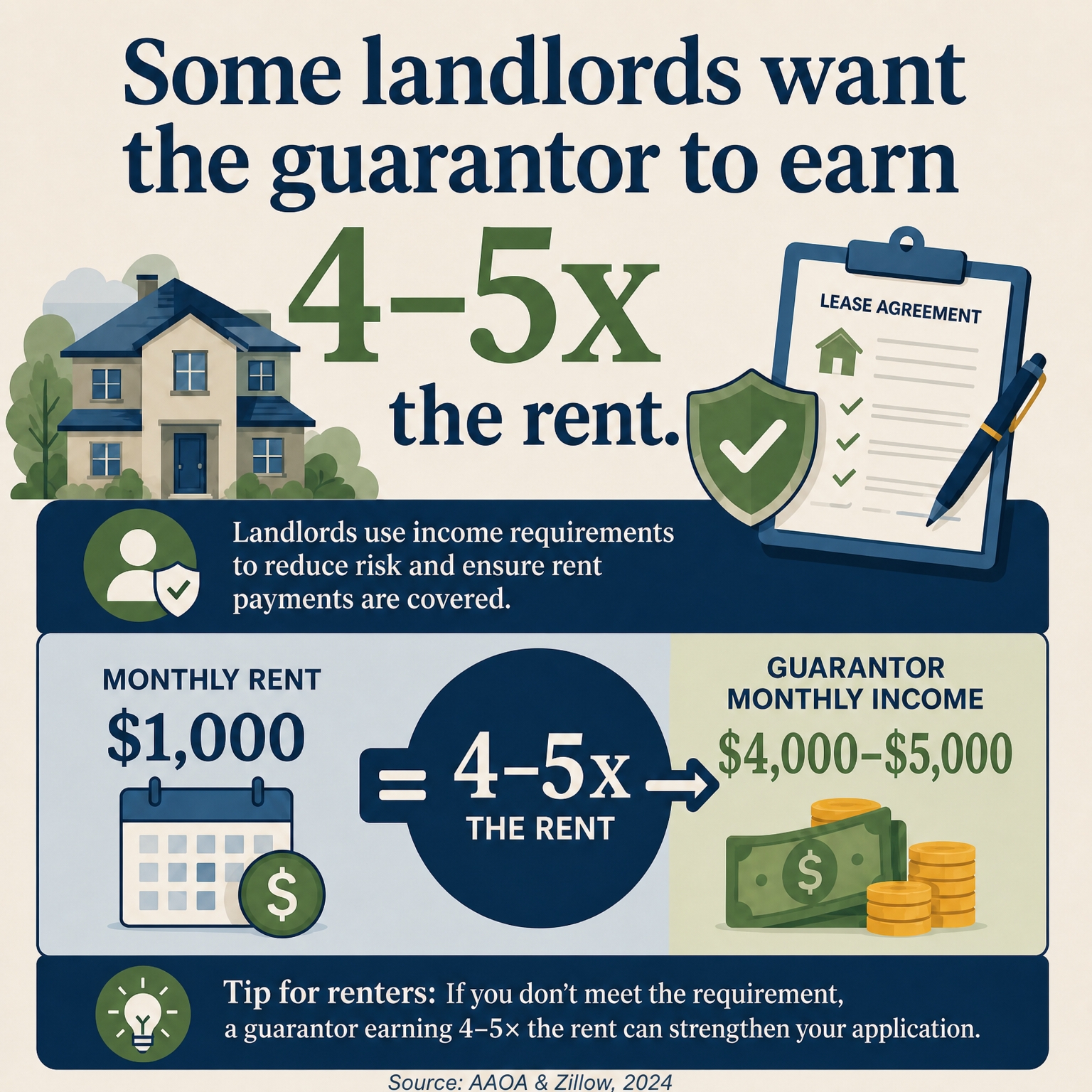
If you want a bigger overview of what documents and tactics tend to work, we keep a broader breakdown in our guide to rental housing applications for renters and landlords. It’ll save you a few annoying back-and-forth emails.
The student workaround landlords already accept
Thing is, student rentals have their own unofficial rules. Landlords don’t always advertise them. But they exist. We see the same patterns every leasing season.

Paying more upfront can work, but be careful
Offering extra months up front can lower perceived risk. Some owners love it. Some property managers can’t accept it because of company policy. And in a few states, there are rules around prepaid rent and how it must be handled.
Also some renters think prepaid rent replaces screening. It doesn’t. If the landlord thinks you’re a mess, they’ll still say no. Money helps. It doesn’t erase red flags.
Deposit strategies that don’t burn your budget
Cost-conscious renters get stuck here. You’re trying to lower housing costs, not tie up your entire savings in a deposit. Fair.
Here’s what we’ve seen work without lighting your budget on fire:
Ask whether a higher deposit can replace a guarantor. Or whether a guarantor can keep the deposit standard. Sometimes you can trade one for the other. Not always. But it’s a real question.
And if the rent is the bigger problem, don’t ignore negotiation just because you’re a student. Landlords negotiate more than renters think, especially on units that aren’t moving. That’s a huge part of what we teach at Rental Secrets. We focus on how landlords think. Pricing pressure. Timing. What concessions cost them. It’s not magic. It’s market behavior.
How landlords can screen fairly without shutting students out
Now I’m going to talk to the landlords and property managers for a second. Renters, don’t scroll past this. It tells you what they’re looking for.
Create a simple no-credit path
We’ve worked with managers who kept losing good student tenants because the application process felt hostile. Not strict. Hostile. The fix was simple. A written alternative standard for “no credit / thin file.”
Examples: require a guarantor, require proof of funds, or require a larger security deposit where legal. Pick your options. Put them in writing. Train your leasing team to offer the options without attitude.
It helps with retention too. Students who feel respected renew more often. They also tell their friends. That lowers your marketing costs next season. That’s not fluffy. It’s operational efficiency.
Watch for fake paperwork without assuming everyone is lying
Yes, fake pay stubs happen. So do “landlord references” that are clearly someone’s roommate doing a voice.
But here’s the nuance. Students are messy with documents because they’re new, not because they’re scammers. Most of the time. The trick is verifying the right things. Call employers using publicly listed numbers. Verify enrollment through official portals when possible. Ask one or two follow-up questions that a real prior landlord would answer easily.
If you’re a renter reading this, that’s your hint. Make verification easy. Give direct contact info. Provide documents in one PDF. Label them. Simple stuff wins.
We write a lot about this renter-landlord dynamic over on our student and first-time renter application resources page, too. Here’s the student and first-time renter rental application category if you want more of that angle.
Negotiation and messaging scripts that get you a yes
So, what do you actually say when you have no credit? Not a novel. Not a sob story. A tight message that reduces uncertainty.
A message that works without sounding robotic
Try something like this (and tweak it so it sounds like you):
“Hey, quick heads-up. I don’t have an established credit file yet. I can provide proof of income, school verification, and a guarantor who meets your requirements. I can also send bank statements showing reserves. What would you prefer?”
Short. Confident. Options. You’re making their job easier.
When to ask for a rent break
Here’s a weird truth. Sometimes the best moment to negotiate is after you’ve solved the credit concern. Once they see you as approve-able, you can talk terms.
But don’t come in hot with “Can you cut the rent?” while you still look risky. That combo spooks people. Clean approval path first. Then concessions.
What actually works is framing it like a business choice. Longer lease for lower monthly rent. Move-in date flexibility. Auto-pay. Even offering to handle minor yard care (with written agreement) if it’s a small landlord. Our team at Rental Secrets leans hard on market-based asks, not random haggling. Owners respond better to that.
And if they say no? Ask for something else. Free parking. Reduced pet rent. A smaller increase at renewal written into the lease. Sometimes the money isn’t only in the rent line.
FAQs for What if student rental applications have no credit
Will a landlord reject me automatically if I have no credit?
Some will. Plenty won’t. Student-heavy properties usually have a process for thin credit files, often through guarantors or alternative documentation. Small landlords vary more. Your best move is to ask about their screening criteria before you pay an application fee.
Is a co-signer the same thing as a guarantor?
People use the words interchangeably, but leases don’t always treat them the same. A guarantor agreement can be a separate document with specific liability terms. Ask what form they use and whether the guarantor is responsible for the full lease term. Get it in writing. No guessing.
Your next move
No credit isn’t a character flaw. It’s just missing data. Fill the gap with clean documentation, a clear plan (guarantor or reserves), and a message that sounds like you’ve done this before.
And if rent itself is the problem, don’t accept the first number like it’s carved in stone. We built Rental Secrets to teach renters how landlords price units and what to ask for without getting laughed out of the leasing office. Start with the paperwork. Then go after the price.
Disclaimer: This article does not constitute legal advice.