

Yes. You can use scholarship money to help you qualify for an apartment. But you’ve got to present it in a way landlords actually accept. Some will treat it like income. Some won’t. And a few will say “sure” until the screening report comes back and then they get weird.
We’ve seen this a lot at Rental Secrets. Students, new grads, even parents helping a kid move off campus. Everybody’s trying to make the numbers work. The trick is showing the money is real, accessible, and likely to keep showing up.
Scholarship money is not paycheck income and landlords know that
Look, most landlords aren’t anti-student. They’re anti-surprise. They want to know rent gets paid on the 1st without drama.
Scholarships sit in a gray zone. Sometimes it’s cash that hits your bank. Sometimes it’s credited to tuition only. Sometimes it shows up in a student portal and disappears into “charges.” That difference matters.
Two types of scholarship money and only one feels like income
Refundable scholarship and aid. This is the good stuff for applications. You pay tuition (or the school applies it), then the leftover gets refunded to you. That refund can pay rent.
Non-refundable scholarship. Tuition-only. Books-only. Fee-specific. Landlords can’t collect rent from your tuition account. So they usually won’t count it.
Honestly? An award letter doesn’t always mean cash for rent. Property managers know that. So the funds must be accessible for students to withdraw and pay rent. Property managers care about cash flow. Not academic funding.
What most screening systems will and won’t count
If a property manager uses a third-party screening platform, scholarship funds rarely show up as “income” automatically. The system asks for pay stubs. W-2s. Sometimes bank statements. Scholarship documentation gets treated like “other.” That’s fine. You just have to explain it so the landlord understands.
And if you’re brand new to applications, our main guide to rental housing applications for renters and landlords walks through what gets verified, what’s flexible, and where humans still override the software.

What to bring to the application so the scholarship feels real
So, you want the leasing agent to feel boringly confident about you. Not impressed. Confident. Those are different.
When I work with clients on this, first thing I check is whether they can show a straight line from “award exists” to “rent will be paid.” No gaps. No mystery steps.
Your best documents for proof of funds
- Scholarship award letter showing amount, term dates, and any conditions
- Financial aid summary from the school portal (screenshot is usually fine, PDF is better)
- Refund history from prior terms (even one semester helps)
- Bank statements showing the refund deposit landing in your account
- A simple rent plan (one page) showing how much of the refund is allocated to rent
That last one sounds extra. It isn’t. Landlords love when you do their thinking for them. Not a spreadsheet masterpiece. Just clarity. Rent is $1,400. Refund is $6,000 at the start of term. That covers four months. Then the next disbursement hits. Simple.
A quick script you can say out loud
Try: “My scholarship refund deposits into my bank account at the start of each term. Here are the last two refunds and my award letter for this year. I use that refund specifically for housing.”
Short. Calm. No over-talking. Over-talking makes people suspicious for no reason. I hate that this is true. But it is.
How landlords calculate income when it comes in lumps
Thing is, landlords are used to monthly income. Scholarships often arrive once or twice a term. That scares people who’ve been burned by tenants living on a one-time windfall.
Your job is to convert “lump sum” into a monthly number.
The easy way to convert a scholarship into monthly income
Take the refundable amount you actually receive for living expenses and divide it by the number of months it needs to cover.
Example. You receive $8,000 per semester as a refund after tuition. Two semesters in a 12-month lease year. That’s $16,000 total. Divide by 12 months. You’re effectively at about $1,333 per month from scholarship refunds.
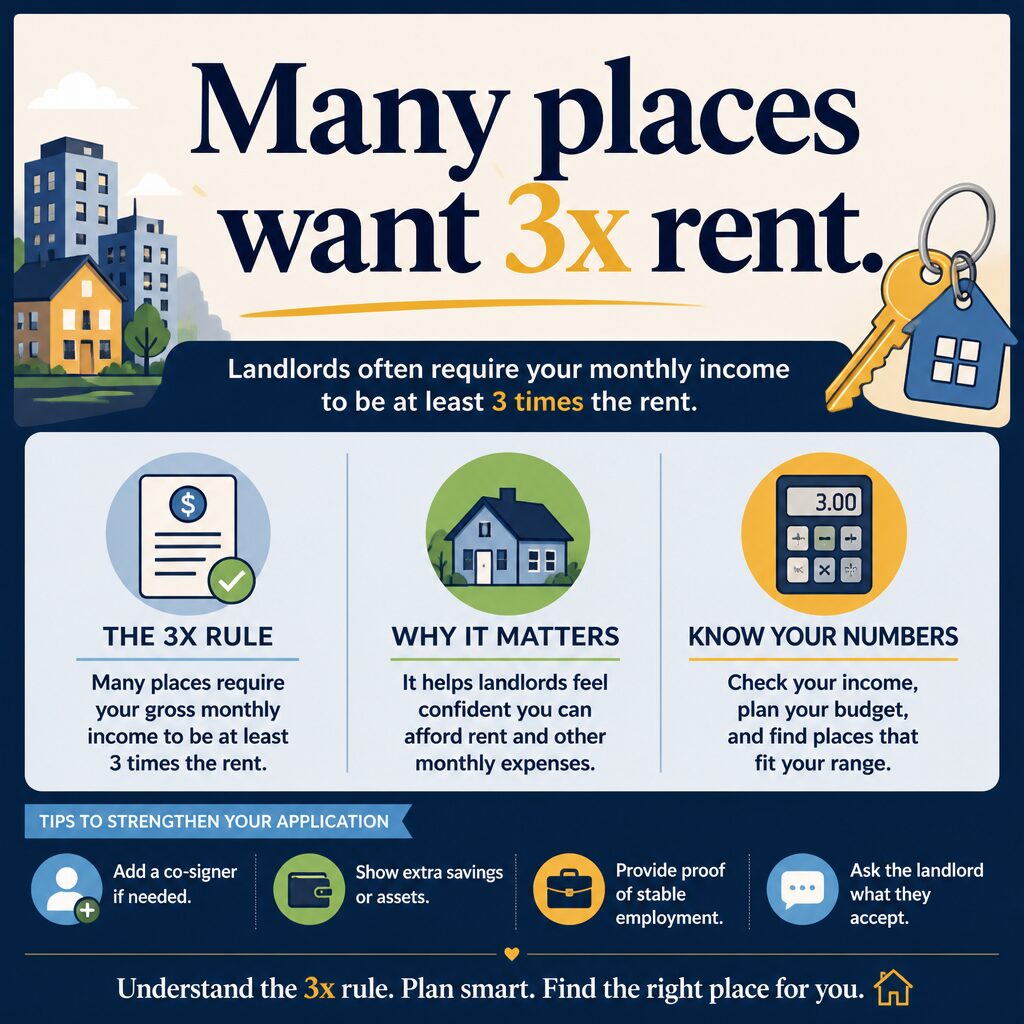
Now compare that to the property’s income requirement. Many places want 3x rent. Some accept 2.5x. Some small landlords just want to feel good about the story. Works great for a $900 room in a shared house. For a $2,200 studio in a tight market? Different story.
But what about summer months
This bugs a lot of applicants. You’ve got funding for fall and spring. Summer looks like a blank.
We usually handle it one of three ways:
One. Show savings carried forward. You didn’t spend the whole refund.
Two. Show summer income. Internship offer letter. Part-time job. Even a signed contract for a seasonal gig helps.
Three. Structure the lease timing. Sometimes you pick a move-in date that matches disbursement cycles. That’s not always possible. But when it is, it’s clean.
And yes, landlords can be flexible on start dates. Not always. But asking is free.
Negotiation angles that actually work when your income is scholarship-based
Real talk: a lot of negotiation advice online is fantasy. “Just ask for $300 off.” Sure. And they’ll just say no.
At Rental Secrets, we teach renters to negotiate the way landlords make decisions. Market-based. Risk-based. Timing-based. Your scholarship situation can help, if you frame it like reduced risk.
Offer the landlord less uncertainty, not more documents
Landlords care about two things here: reliability and ease.
Reliability is your payment plan, proof of deposits, and stable term dates.
Ease is you being organized. Fast responses. A clean application packet. You’d be shocked how much that matters. I’ve watched property managers choose an “okay” applicant over a “perfect on paper” one because the perfect one was chaotic in their communication.
Smart concessions that beat rent discounts
Sometimes the win isn’t lower rent. It’s lower move-in cost. Or fewer fees. Or better terms.
Options that tend to get traction:
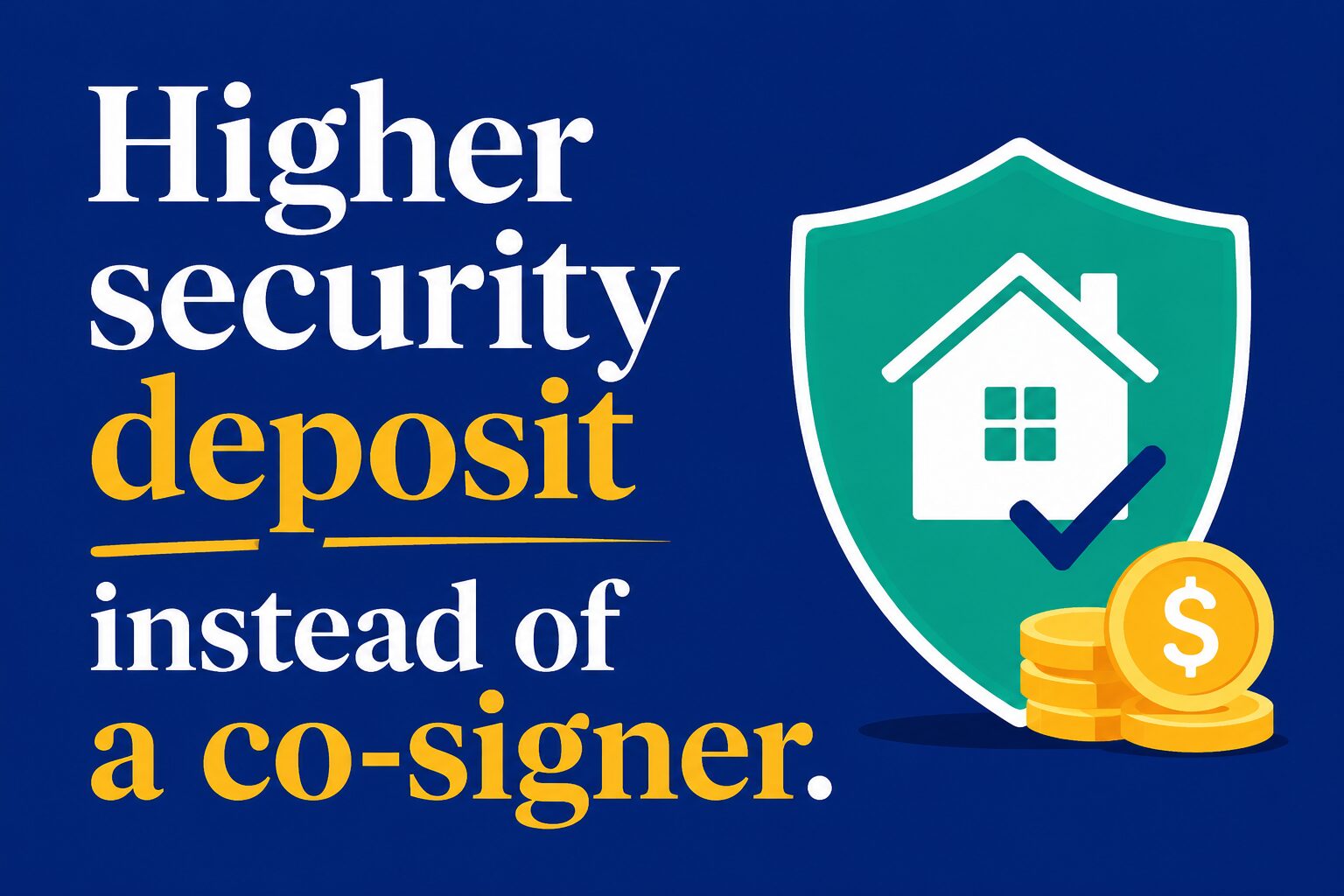
Higher security deposit instead of a co-signer. Not every state allows unlimited deposits, so this depends. But where it’s legal, some owners prefer cash on hand over chasing a guarantor.
Prepaying a partial month. Not six months upfront (that can set off fair housing alarms in some offices). But first month plus an extra half-month sometimes makes them relax.
Auto-pay setup. It’s small. It’s real. They like it.
If you’re a student or first-time renter and you want more tactics like this, our rental housing applications for students and first-time renters section goes deeper on what owners actually accept and what tends to backfire.
Common mistakes we see and how to avoid the awkward denial
Now, the stuff that tanks applications. Usually by accident.
Mixing scholarship money with loans and calling it all income
Some people blur the line between grants, scholarships, and student loans. A landlord might not care morally. But underwriting-wise, loans feel like debt. If you present loans as income and the landlord catches it, trust drops fast.
Be clean about it. “This portion is scholarship refund. This portion is savings. This portion is part-time income.”
Not explaining disbursement timing
Landlords hear “I get $10,000” and assume it arrives once. Then they wonder what happens in month five. So tell them.
We like a one-liner: “Refunds hit in August and January.” Then back it up with your portal schedule or prior deposits.
Applying to places with rigid automated screening
Some big management companies run everything through software and front-desk staff can’t override anything. You can still win there. But it’s harder.
One workaround is asking, before you apply, “Do you accept non-traditional income like scholarship refunds, and what documentation do you need?” Listen to the answer. If they sound unsure, you might be paying an application fee for a no.
FAQs for How to use scholarships income on rental applications
Can a landlord legally refuse scholarship income
Usually, yes. In most places, landlords can choose what counts as qualifying income, as long as they apply the rule consistently and don’t discriminate against a protected class. Some jurisdictions have “source of income” protections that cover certain payments (often vouchers). Scholarships aren’t always included. So it varies.
Do I need a co-signer if I have a full-ride scholarship
Sometimes. A full-ride can still be tuition-only, which doesn’t help with rent. Even if you get refunds, some landlords still want a guarantor because scholarships can be conditional (GPA, enrollment status). Showing a history of refunds and a cash cushion reduces the odds that they will demand a co-signer. But a strict corporate property might require one anyway.
Your next move
Show the scholarship like a landlord sees money. Not like a school sees aid. Award letter plus proof of refunds plus a simple monthly breakdown. That combo usually changes the tone of the conversation.
If you want to push it further, we do this every week at Rental Secrets. We help you package your application, choose negotiation angles that don’t feel cringe, and talk to landlords in a way that gets a yes. Or at least a faster no, before you burn another application fee.
Disclaimer: This article does not constitute legal advice.