

Yes. In most places, landlords can legally deny a rental application for bad credit. But. They can’t use “credit” as a cover for illegal discrimination. And they can’t ignore the rules around notices and screening. That’s where people get burned.
We’ve coached a lot of renters through this exact moment. You see the rejection. You assume it’s personal. It’s usually math. Sometimes it’s sloppy property management. And sometimes it’s something you can push back on.
Bad credit is usually a legal reason to deny you
Look, those with bad credit scores aren’t a protected class under fair housing laws. So a landlord can set a credit standard and apply it to applicants. Most of the time that’s legal. Even if it feels brutal.
What landlords say they care about
In our experience, landlords aren’t “judging your character.” They’re trying to predict one thing. Will rent show up on time? Credit is an easy shortcut, even though it’s messy. Medical debt. Student loans. A divorce. One dumb credit card from age 19. All of it collapses into a single number.
And landlords love shortcuts. Especially small landlords who don’t have a leasing team. They want a clean yes or no.
But they need to be consistent
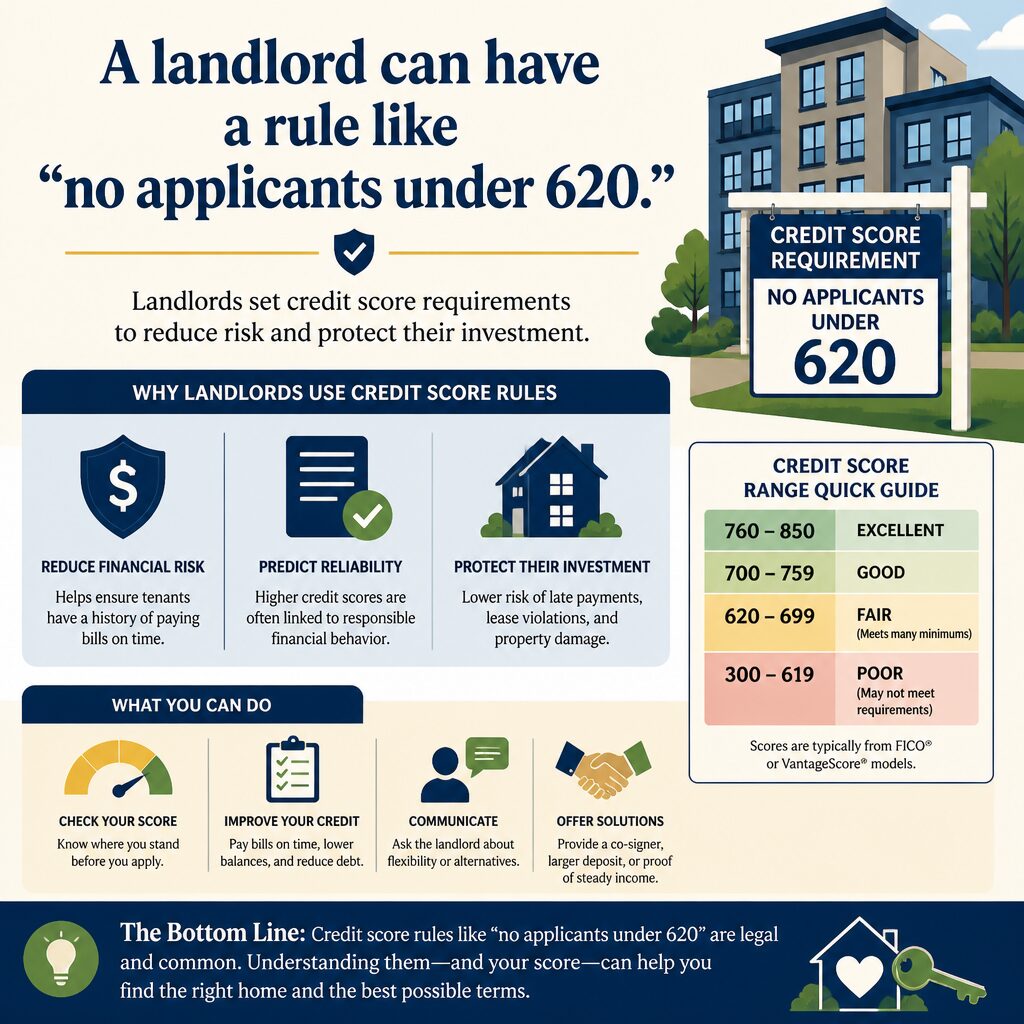
Consistency is the big deal. A landlord can have a rule like “no applicants under 620.” Fine. What gets them into trouble is waving that rule around depending on who’s applying. Same building. Same income. Different outcome. That’s where fair housing complaints start to smell real.
Also. A lot of “credit policies” aren’t written down. They’re vibes. That’s risky for them. And frustrating for you.

When a credit-based denial becomes illegal
Thing is, a credit denial can still be unlawful if the way it’s used breaks fair housing rules. Most renters don’t realize that. Most landlords don’t love talking about it either.
Discrimination and unequal treatment
Federal fair housing law protects people from discrimination based on race, color, religion, sex (including sexual orientation and gender identity), national origin, disability, and familial status. States and cities often add more (like source of income, age, or immigration status in some places).
So a landlord can’t deny you for bad credit because you’re in a protected group. They also can’t apply “credit standards” in a way that effectively screens out a protected group without a legit business reason, especially if there’s a less harsh way to screen. That’s where “disparate impact” arguments come up. Not every case fits. But it’s real.
I’ve seen owners claim they “just go by the score.” Then they quietly accept a lower score for someone with a co-signer. Or for someone who “seems stable.” That subjective stuff is where bias sneaks in. Sometimes accidentally. Sometimes not.
Disability-related credit problems and reasonable accommodations
Here’s a nuance people miss. If your bad credit is tied to a disability (say, medical debt from treatment or a period where you couldn’t work), you might be able to request a reasonable accommodation. Not a guaranteed win. But it’s a lever.
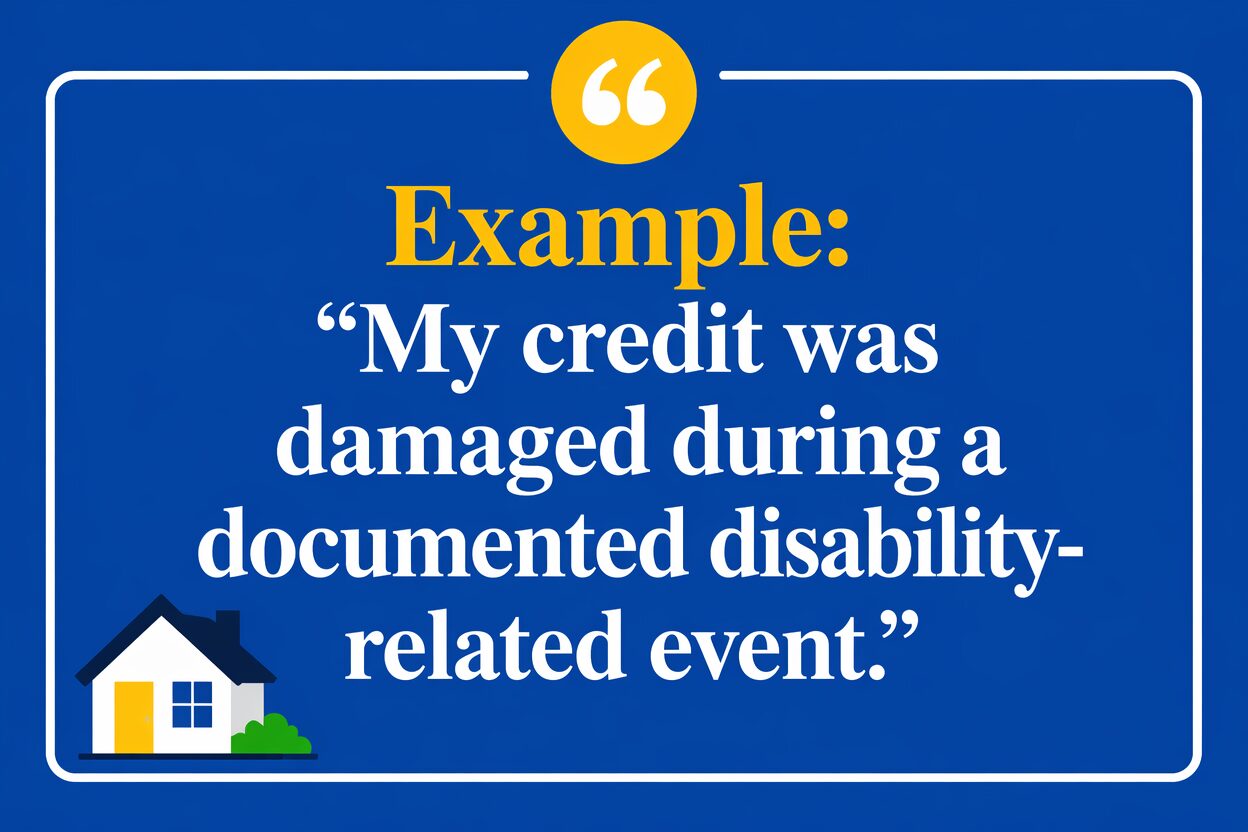
Example: “My credit was damaged during a documented disability-related event. I can show current income and on-time housing payments. Would you consider alternative screening like bank statements or a higher deposit if allowed?”
Landlords don’t have to ignore risk. They do have to engage in the accommodation process when it’s valid. Many don’t. Or they panic and say no too fast.
If you want more context on disputes, screening, and what “fair” actually means in practice, we keep a running set of resources in our fair housing and application disputes library.
The credit check process has rules landlords must follow
Honestly? Most application drama is process drama. Not the score itself.
Adverse action notices and what you’re entitled to
When a landlord denies you based on information from a consumer report (credit report, tenant screening report, eviction report), they generally need to give an “adverse action” notice under the Fair Credit Reporting Act. That notice usually includes the screening company’s info and your rights to dispute and get a copy.
Do landlords always do this. No. Do they get away with skipping it. Too often.
If you didn’t get a notice, ask for it. Short message. Calm tone. “Can you please send the adverse action notice and the screening report details?” You’re not begging. You’re asking for the thing the law expects.
Fees, authorizations, and weird screening games
Some states limit application fees. Some require fee receipts or itemization. Some cities are strict about what can be considered. There’s also the basic rule: they should have your written permission to run credit.
This bugs me. A few landlords run screening on five applicants for one unit. Collect fees from all of them. Then claim “sorry, your credit didn’t pass” without explaining the criteria. That’s not always illegal, but it’s a red flag for how they’ll treat you later. Late repairs. Slow communication. Deposit arguments. The whole vibe.
We talk a lot at Rental Secrets about how landlords think, and this is part of it. Some owners are managing risk. Others are managing cash flow through fees. Different energy.
What you can do if you have bad credit and still need the apartment
So you got denied. Or you know you’re about to. You’re not out of options.
Negotiate the risk, not the score
Landlords don’t get paid in credit points. They get paid in rent. When I work with clients on this, we focus on “proof of performance.” Show the thing they actually want.
- Offer proof of on-time rent (ledger from your current landlord, canceled checks, payment portal screenshots)
- Show stable income and cash reserves (pay stubs plus recent bank statements, with sensitive stuff blacked out)
- Propose a co-signer or guarantor (and ask their exact standards upfront)
- Offer a larger deposit where legal, or prepaid rent where legal and safe
- Write a short “what happened” note if there’s one obvious credit issue (keep it factual, not emotional)
One quick story. I had a client with a wrecked score from a medical collections mess. They were convinced they were done. We put together a clean packet. Income, rent history, and a one-paragraph explanation. The landlord said yes. Not because they suddenly loved credit risk. Because the risk looked contained.
Pick properties where credit matters less
Big corporate buildings tend to be strict. Automated screening. Hard cutoffs. Smaller landlords can be more flexible. Not always. Some are even stricter. But you can often talk to a human.
Also consider timing. When a unit has been sitting for three weeks, standards “mysteriously” relax. That’s market pressure. It’s not personal.
If you’re trying to reduce housing costs, this is where strategy matters. Our approach at Rental Secrets is about reading the market, understanding the owner’s problem, and negotiating from there. Lower rent, concessions, or getting approved with a shaky credit profile. Same muscle.
Correct your credit report first
You already know landlords will pull your credit report. So pull it first yourself. Look for any errors. Contact companies related to negative entries and settle with them if you can. Then get proof of the agreement in writing. For deeper assistance, reach out to our partner, Rental Kharma.
For a bigger walkthrough of the whole application and negotiation process, we’d point you to our full rental application guide for renters and landlords. It’s the stuff we wish everyone knew before paying three application fees in one weekend.
Landlord tips that reduce conflict and improve retention
Now I’m going to talk to the landlords and property managers for a second. Because this is where good management saves you money.
Publish your screening criteria in plain English
Don’t make people guess. Say what your minimums are. Credit range. Income multiple. Any automatic disqualifiers. How do you treat collections. How you treat medical collections (if you’re smart, you treat them differently). Applicants self-select. Your team wastes less time. And you stop getting angry emails that start with “you’re discriminating.”
Use alternatives when the risk is actually low
Credit is noisy. Especially for younger renters. Students with thin files. New grads with high income but short history. Families who took a hit during a layoff and recovered.
When you accept alternatives (rent ledger, higher deposit where allowed, guarantors, stronger income verification), you widen your applicant pool without turning your property into a gamble. You also build trust. That’s retention. Fewer turnovers. Less vacancy. Less repainting and re-keying. The unsexy costs.
And if you’re denying based on a report, send the adverse action notice. Every time. It’s basic professionalism.
FAQs for Can landlords deny rental applications for bad credit legally
Can a landlord deny me for bad credit even if I make enough money?
Yes, usually. Income and credit are separate filters in most screening setups. A landlord might believe high income offsets risk. Another might think high income plus bad credit means “someone who doesn’t pay bills.” Annoying, but common. Your best move is to show on-time housing payment history and current stability. Make it easy for them to say yes.
If I’m denied, can I ask what credit score they require?
You can. And you should. Some landlords will tell you. Some won’t. If the denial was based on a screening report, you can also ask for the adverse action notice so you can see what data drove the decision and dispute errors. A surprising number of denials come from mixed files or old, already-paid items that still show up wrong.
Your next move
Bad credit can be a legal reason to deny you. That’s the reality. But you don’t have to just eat the rejection and move on in silence. Ask for the adverse action notice. Get clear on the criteria. Then negotiate with evidence, not vibes.
And if you’re tired of guessing what landlords care about, that’s exactly why we built Rental Secrets. We’d rather you walk in with a plan. Not hope.
Disclaimer: This article does not constitute legal advice.