

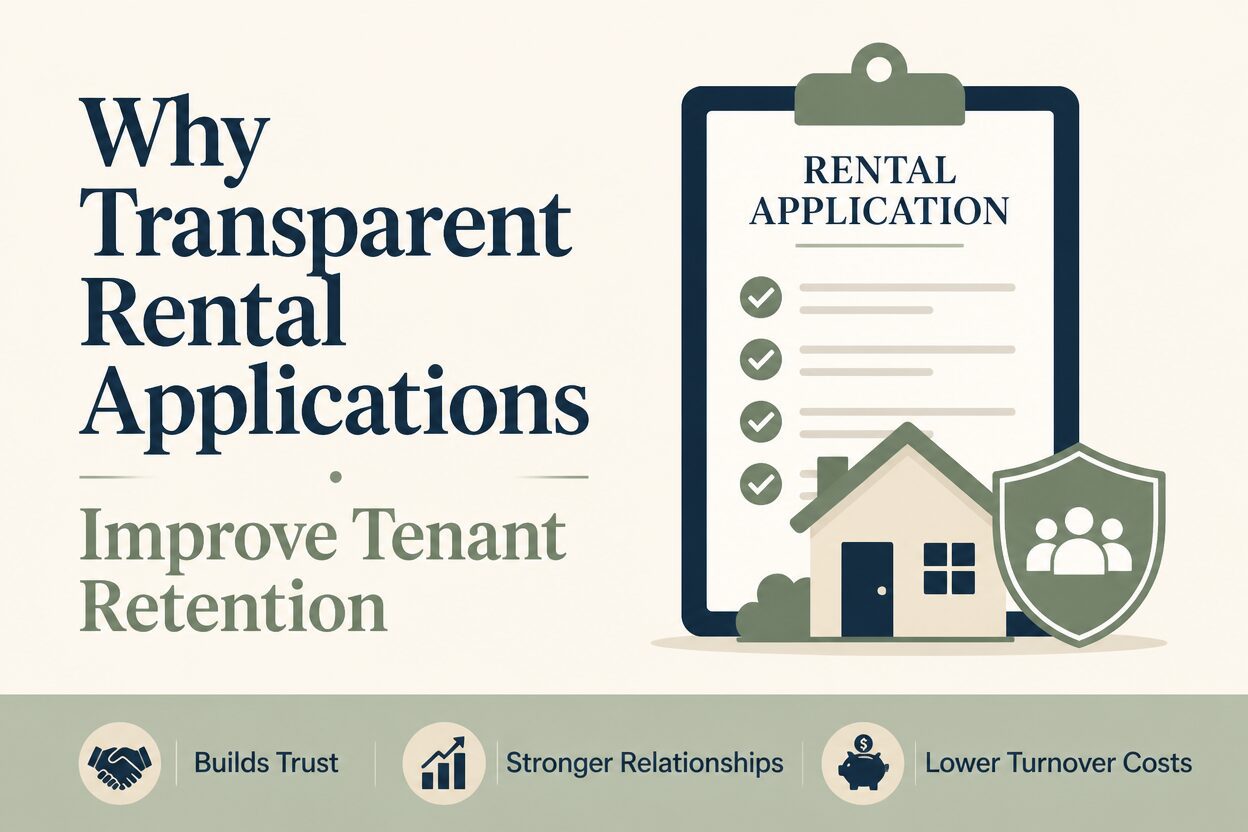
Transparent rental applications keep good tenants around. Not because they’re “nice.” Because they feel fair. And fairness is sticky. When people think you’re running a clean process, they’re less likely to rage-scroll Zillow the second the lease is up.
We see this constantly at Rental Secrets. Renters tell us they’ll pay a little more to avoid mystery fees, vague screening, and that weird silence after they hit “submit.” Landlords tell us the same thing, just in different words. “I want fewer headaches.” Same goal.
Transparency reduces the stress tax renters feel
Look, the application stage is where a lot of renters’ trust goes to die. You’re already budgeting. You’re already thinking about deposits, movers, parking, utilities, maybe daycare. Then the application becomes this black box. Payment goes in. Nothing comes out. For days…or more.
That stress has a cost. Real cost. People respond by getting defensive, shopping around, or ghosting.
Renters don’t mind standards. They mind surprises
I had a client last month (young professional, new city) who was fine with a credit minimum. Totally fine. What blew up the deal was the surprise “processing fee” and a vague note about “additional screening as needed.” That phrase. It spooked them. They assumed it meant extra charges or a long delay. They walked.
Most renters are adults. They can handle “We need 650+ credit and 3x rent income.” What they can’t budget for is randomness. Randomness wrecks planning. And planning is how cost-conscious renters stay sane.

Landlords forget the application is part of the product
Property managers love to talk about amenities. But the application experience? That’s the first “service” the tenant receives. If it feels sloppy or secretive, people assume maintenance will be sloppy too. Even if that’s unfair. It’s how the renters’ mind works.
So when renters feel respected early, they tend to stick around longer. They don’t want to restart the whole circus next year.

Clear criteria attracts the tenants who actually renew
We’re blunt about this internally. A fuzzy application process invites mismatches. The kind that turn into non-renewals and drama. Clear criteria does some filtering for you. In a good way.
Good tenants self-select when you show the rules
When you publish your requirements up front, the right applicants lean in. The wrong ones save both of you time. That’s not harsh. That’s efficient.
And renters appreciate it because they can decide whether it’s worth paying the application fee. That’s a budgeting decision. It matters to students juggling loans, families managing groceries, and anyone trying to stop living paycheck to paycheck.
Renewal starts with the first honest conversation
Here’s the thing. Retention isn’t only about rent increases or maintenance response times (though, yes, those matter). It’s about whether the tenant believes you’ll be straight with them.
When the application spells out how decisions are made, tenants expect that same clarity later. Lease terms. Late fees. Renewal offers. That expectation becomes a relationship norm. And if you meet it, renewals get easier.
If you want the bigger picture on the whole process from both sides, our guide to rental housing applications for renters and landlords lays it out without the fluff.
Application transparency prevents the usual conflict points
Most tenant-landlord fights aren’t about the big stuff. They’re about the “Wait, what?” moments. The little policy that shows up late. The fee nobody mentioned. The document request that feels personal.
Fees and timelines should be boring
We recommend landlords make the money part painfully clear. Application fee amount. What it covers. Whether it’s refundable (usually not). When it’s charged. Then stop being mysterious.
Same with timelines. Give a realistic range. Not “ASAP.” Not “soon.” Say “24 to 72 hours after we receive everything.” And define “everything.”
Renters: you can also ask for this. You’re allowed. And if a landlord gets offended by a basic timeline question, that’s a signal. Not always a dealbreaker. But it’s a signal.
Document requests feel less invasive when they’re explained
Income verification, ID, rental history, employment contacts. Normal. But the why matters. When landlords explain the purpose, renters stop assuming they’re being singled out.
And when landlords explain what happens to those documents (storage, retention period, who can access them), renters relax. Some still won’t love it. But they’ll understand it.
For more on communication habits that keep tenants from bolting, our team keeps a running set of notes in this rental housing applications landlord communication and retention collection.
How to make your application process transparent without oversharing
Landlords sometimes hear “transparent” and think they need to write a novel. Nope. You just need to answer the questions renters already have in their heads. The ones they’re texting their friends about.
What we recommend landlords include on the application page
Keep it simple. Clear. Not legalese soup. When I work with owners on this, the first thing I check is whether an applicant can understand the rules in under two minutes. Two minutes. That’s the bar.
- Screening criteria (credit, income, rental history) stated plainly
- Total move-in cost estimate (deposit ranges, first month, any admin fees)
- Exact application fee and how it’s collected
- Expected decision timeline and what pauses it
- How you communicate updates (text, email, portal) and how often
What renters should ask before paying an application fee
Real talk: renters are trained to be passive here. Don’t. If you’re cost-conscious, you can’t be passive with fees. Ask two or three questions and save yourself money and frustration.
Try this:
“What are the minimum requirements to be approved?” Then wait. Don’t fill in the silence.
“How long does it take once you have all documents?” If they can’t answer, they don’t have a process.
“Is the unit being offered to multiple applicants at once?” Some landlords do first-qualified. Others do “best applicant.” Neither is inherently evil. But you deserve to know which game you’re playing.
This is also where Rental Secrets comes in. We teach renters how landlords think. Not as villains. As operators. Once you understand the operator mindset, your questions get sharper. Your negotiation gets calmer. And you stop wasting application fees on long-shot listings.
Transparency builds retention because it signals respect
Respect sounds soft. It isn’t. It’s a business tool. Tenants who feel respected treat the place better, communicate earlier, and are less likely to churn.
Tenants remember how you made them feel when they were powerless
During the application, renters don’t have much control. That’s the vulnerable part. So the memory sticks. If the process was honest, responsive, and clear, renters expect the rest of the relationship to follow that pattern.
And when renewal time comes, they compare their current situation to the headache of starting over. A transparent landlord makes staying feel safer. Predictable. That’s what most people are really buying.
One exception: transparency won’t fix a bad deal
We’ve gotta say it. Being clear won’t overcome an overpriced unit, poor maintenance, or a landlord who’s hard to reach. Transparency isn’t perfume. It’s plumbing.
But when the fundamentals are decent, transparency is the multiplier. It keeps decent tenants from drifting away just because they’re tired.
FAQs for Why transparent rental applications improve tenant retention
Does being transparent about screening criteria increase discrimination risk?
Usually it lowers risk, because consistency is easier to prove when you’re upfront and you follow your own rules. The danger is when landlords publish criteria, then quietly bend it for some applicants and not others. That’s where trouble starts. If you’re going to state standards, apply them consistently. Document decisions. Keep communications professional.
As a renter, can I negotiate anything during the application stage?
Sometimes, yes. Not always on rent right away. But you can negotiate timing, move-in date, parking, pet terms, or which documents you can provide (for example, offer bank statements if you’re a freelancer without standard pay stubs). Our experience at Rental Secrets is that the best moment is after you look qualified on paper but before you’ve signed. That’s when you’re most “real” to the landlord. Not just a name in a queue.
What to do next
If you’re a landlord, make your application page boring on purpose. Criteria. Fees. Timeline. Communication plan. Then follow it. That’s how you keep the good tenants who pay on time and don’t trash the place.
If you’re a renter, treat transparency like a screening tool. Ask the simple questions. Track the answers. And if the process feels shady, it probably won’t get better after you move in.
Disclaimer: This article does not constitute legal advice.