

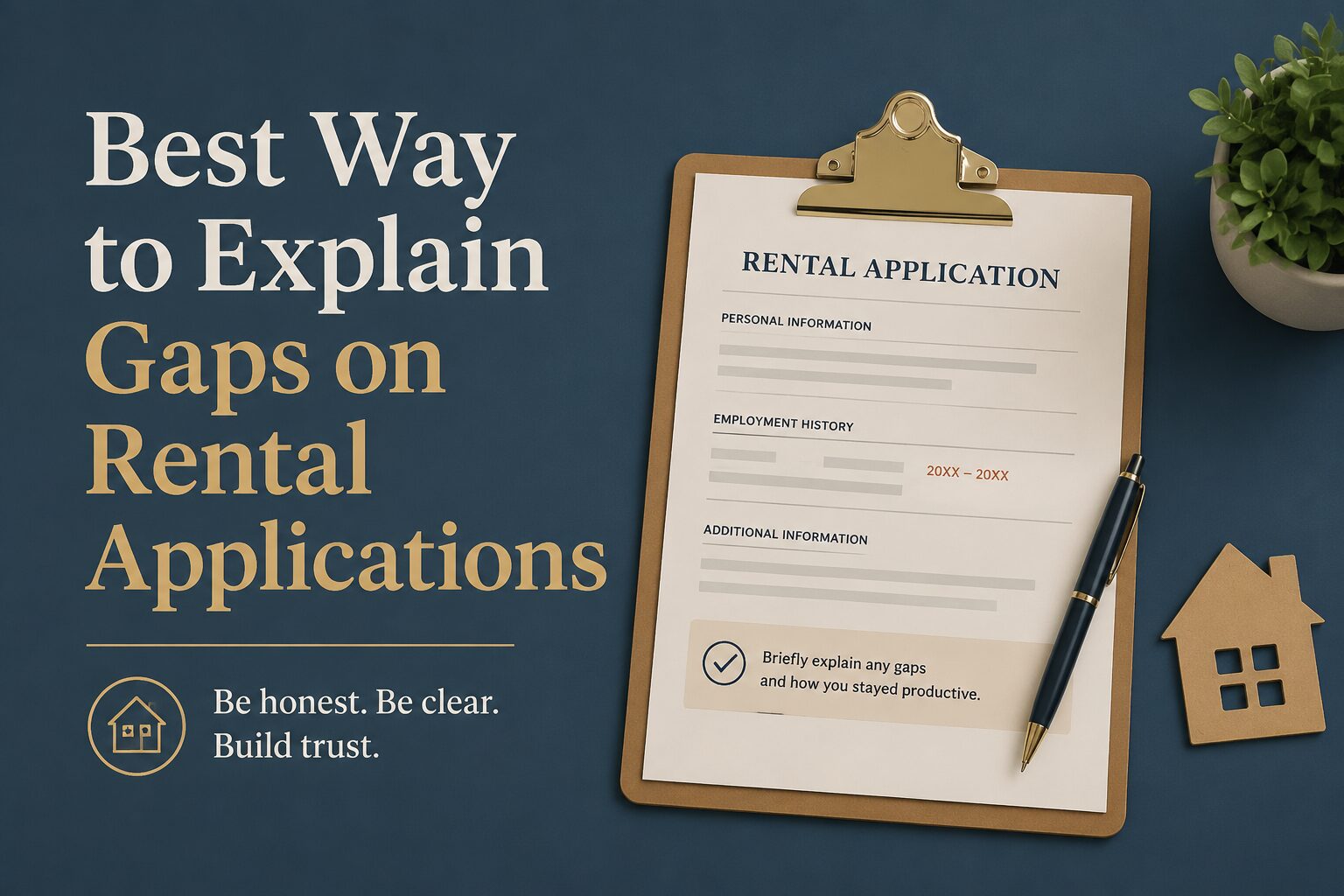
Put the gap right where the landlord will see it anyway. And explain it like a normal person. Short. Specific. Calm. That’s the whole move.
I’ve watched renters try to hide gaps on rental applications like it’s a bad grade. It backfires. Landlords and property managers read applications all day. A blank spot screams “ask me questions.” And if you’re trying to keep rent low, more questions usually means more delay, more screening, more chance you get passed over.
What landlords think when they see a gap
Look, most landlords aren’t offended by a gap. They’re trying to answer two boring questions: can you pay, and will you be a pain.
When I work with clients on this, the first thing I check is the landlord’s risk triggers. Gaps trigger two of them. Income continuity. And honesty.
They’re scanning for stability, not perfection
Stability can come from a lot of places. A steady job, sure. But also savings, a co-signer, consistent rental history, or even a solid story that makes sense.
Here’s what I mean. A two-month gap between jobs? Common. A six-month gap with no explanation? That’s when a landlord starts imagining worst-case stuff. Evictions, drama, disappearing mid-lease. Not fair, but that’s how screening brains work.
Most property managers care about documentation
Property managers get audited by owners. They also get yelled at when a tenant stops paying. So they’ll ask for proof. Pay stubs, offer letters, bank statements, benefit letters. Not to be nosy. To cover their own butt.
And yep, some smaller landlords are more vibes-based. They’ll still want a clean explanation though. Usually even more so.

How to write a gap explanation that doesn’t spiral
Real talk: you don’t need a novel. You need a sentence or two that closes the loop.
I like this formula because it keeps you from oversharing. Timeframe. Reason. Current status. That’s it. No excuses tour. No weird emotional details.
Use plain language and a tight timeline
Good: “May to August 2025: took time off between roles. Started new job September 2025 (offer letter attached).”
Also good: “January to March 2026: recovering from surgery and living on savings. Back to work now (bank statements available).”
Not great: “I had a lot going on and things were complicated.” That’s basically telling the landlord to worry.
Keep it consistent across the whole application
This bugs me because it’s so avoidable. People explain a gap in the notes section, then their employment dates don’t match their resume, and their pay stubs tell a different story. Now the landlord thinks you’re sloppy. Or hiding something.
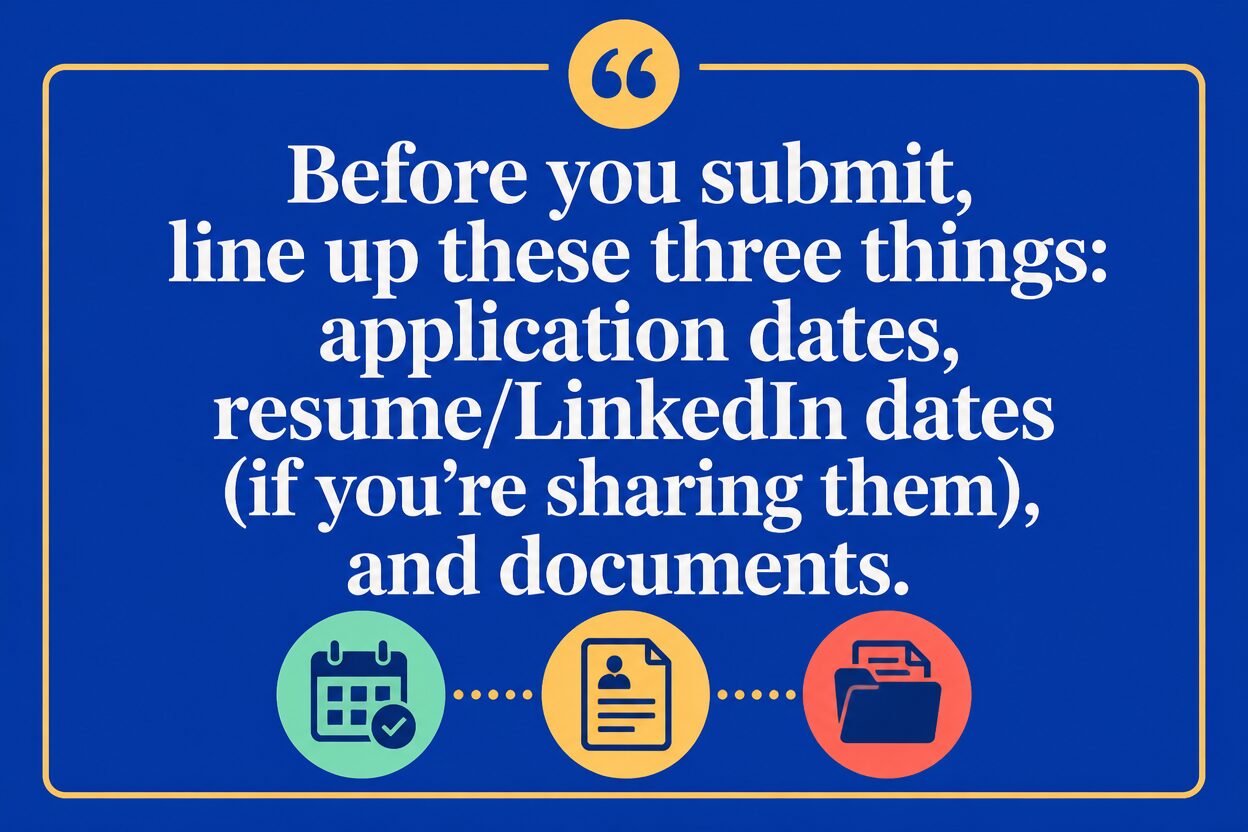
Before you submit, line up these three things: application dates, resume/LinkedIn dates (if you’re sharing them), and documents. They don’t need to be perfect. They need to match.
Examples that work for common real-life gaps
Thing is, gaps happen for normal reasons. Landlords have seen most of them. The winning move is making the reason feel… boring. Predictable. And most importantly, resolved.
Job change, layoff, or contract work
Try: “March to May 2026: laid off during company restructure. Started new role June 2026 (offer letter attached).”
For freelancers: “2023 to present: self-employed (invoice history and bank statements available).”
And don’t be shy about showing reserves. A screenshot of savings isn’t a strategy. But a clean bank statement that shows you can float a month or two? That calms people down.
School, internships, and student life
Students get weirdly nervous about this. You don’t need to pretend you were working full-time during finals week.
Try: “August 2025 to May 2026: full-time student. Internship June to August 2026 (letter attached). Parent co-signer available.”
I had a client who tried to label a semester as “unemployed.” Why. Just say student. That’s a real status.
Family care, divorce, moving, or personal resets
Keep it simple. “Cared for family member.” “Relocated.” “Separated and transitioned housing.” You don’t owe anyone the play-by-play.
Try: “November 2025 to February 2026: relocation and family care. Currently employed and can provide pay stubs.”
One exception. If the gap is tied to a criminal issue or an eviction, you need a different plan. Not wordy. Just honest and documented. But that’s a separate conversation.
What to attach so the explanation feels real
Landlords believe paper. Even nice landlords.
In our experience at Rental Secrets, the fastest approvals happen when the explanation and the proof arrive together. Not in five separate emails over a week.
Choose proof that matches the gap
- Offer letter or employment verification (start date shown)
- Last two pay stubs (once you have them)
- Bank statements showing reserves (usually 1 to 2 months is enough)
- Benefit letter for unemployment or disability (if applicable)
- Co-signer letter plus their proof of income (when you’re using one)
That’s the short list. Don’t attach your entire life archive. You’re trying to reduce friction, not create a filing cabinet.
Use a one-page cover note when the file is messy
Sometimes your situation really is complicated. Multiple jobs. Moving cities. A mix of cash income and W-2. Cool. Put a one-page cover note at the front of your application packet.
We do this a lot for renters who are trying to negotiate too. When the landlord feels confident you’re organized, they’re more open to discussing rent, concessions, or a longer lease term at a lower monthly rate. Confidence changes the whole tone.
If you want a bigger picture view of what landlords usually ask for, our rental application documents and requirements overview lays it out in plain English.
How to talk about gaps without raising your rent
Yeah, gaps can affect pricing. Not always directly. But indirectly. If a landlord thinks you’re risky, they’ll tighten terms. Higher deposit. Less flexible move-in. No concessions. Sometimes they just choose the other applicant.
So we play offense. You’re not begging. You’re presenting a low-risk file.
Pair the gap with a strength
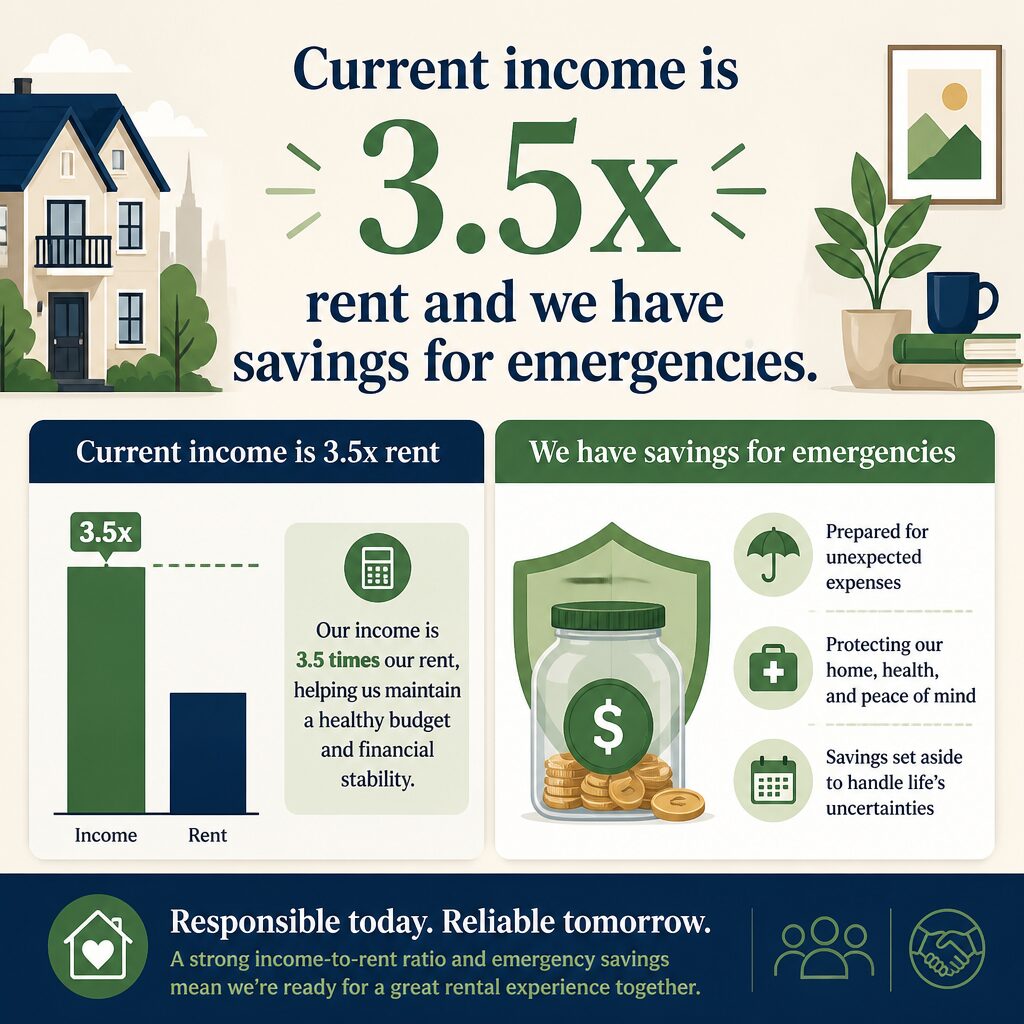
Example: “Gap from April to June while switching jobs. Current income is 3.5x rent and we have savings for emergencies.”
Or: “Returning to work after caregiving. Stable position and can pay first month plus deposit immediately.”
See what happened? The gap got one sentence. The rest of the mental space goes to stability.
Don’t over-apologize or sound defensive
Over-explaining reads like you’re trying to sell a story. Keep your voice steady. Almost boring.
And if you’re negotiating, don’t lead with the gap. Lead with market reality. Comparable rents. Timing. Vacancy. Landlord priorities. That’s what we teach inside Rental Secrets. How landlords think. What actually moves the needle.
Want the bigger framework for applications, screening, and how to position yourself before you negotiate? Start with our guide to rental housing applications for renters and landlords. It’ll save you some headaches.
FAQs for Best way to explain gaps on rental applications
Will a gap automatically get me denied?
Usually no. Most denials happen when the gap connects to weak income, inconsistent documents, or a story that keeps changing. A clean explanation plus proof tends to move you right along. Especially in less competitive buildings.
How much detail should I give about health issues or personal problems?
Less than you think. Give the timeframe and the current status. “Medical leave, now returned to work” is enough most of the time. You can offer documentation without describing the diagnosis. If a landlord pushes for details, redirect to what matters: income, savings, and your plan to pay on time.
Next step if you have a gap and you still want a deal
Write the gap explanation in two sentences. Attach one piece of proof that makes it feel settled. Then move on.
That’s how you keep the application calm. And when the application stays calm, rent negotiations get easier. Weirdly easier. Because you’re not asking for a discount while also looking like a question mark. Get rid of the question mark in their mind first.
Disclaimer: This article does not constitute legal advice.